Liquefied natural gas (LNG) shipments from Nigeria are being rerouted to lucrative Asian markets as a sudden halt in exports from Qatar, one of the world’s top suppliers, triggers a scramble for supplies and drives prices to multi-year highs across Europe and Asia.
The diversion comes at a time when geopolitical tensions in the Middle East, including escalating conflicts involving the United States and Iran, have roiled energy markets, amplifying fears of extended supply disruptions.
European natural gas prices spiked as much as 30% on Monday alone, with the benchmark Dutch TTF contract climbing to €69.50 per megawatt-hour before easing slightly. Meanwhile, Asia’s spot LNG prices have surged even more aggressively, creating a profitable arbitrage opportunity for traders to redirect flexible cargoes away from the Atlantic Basin.
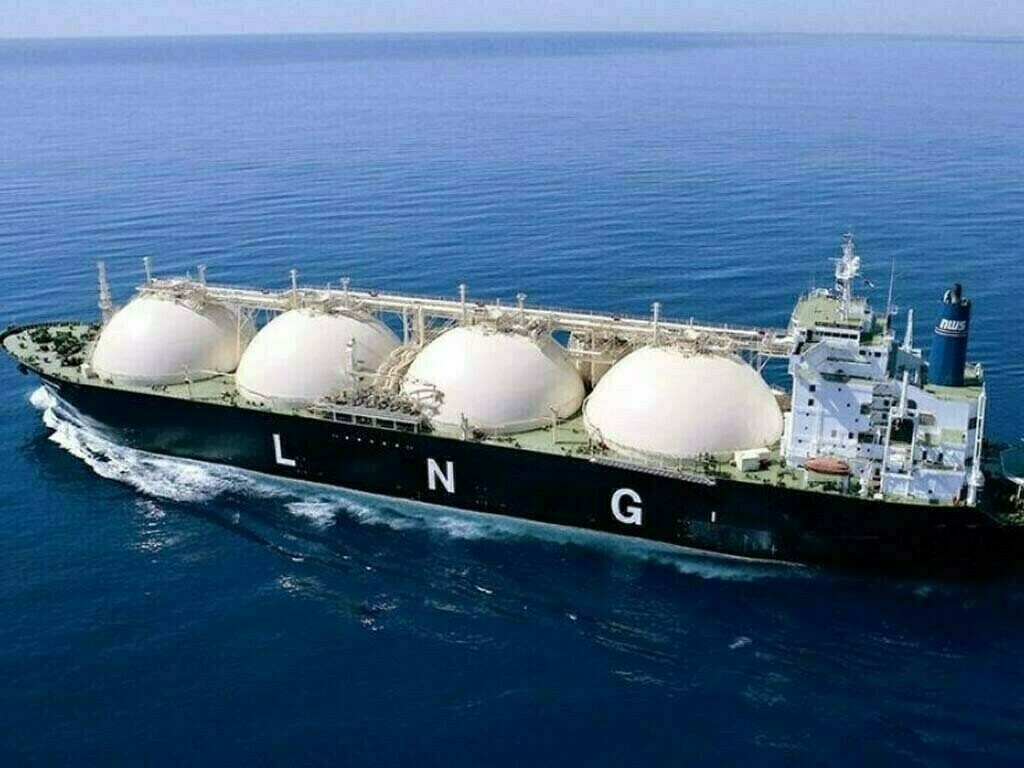
At the center of this rerouting is the LNG tanker BW Brussels, which loaded a cargo at Nigeria’s Bonny Island Terminal on February 27. Initial tracking data from analytics firm Kpler indicated the vessel was heading westward toward Europe, a common destination for Nigerian exports.
However, by March 3, the ship had abruptly changed course, veering south via the Cape of Good Hope en route to Asia. “This likely reflects the widening Atlantic–Pacific arbitrage, with stronger Asian pricing making diversions of destination-flexible Atlantic cargoes more attractive,” said Go Katayama, principal insight analyst at Kpler. He warned that if the price differential persists, more such diversions could follow, intensifying competition between regional buyers.
The catalyst for this upheaval is Qatar’s unexpected production suspension, which has slashed global LNG availability. As the world’s largest exporter, Qatar directs over 80% of its shipments to Asia, per Kpler data, leaving buyers in Japan, South Korea, and China particularly exposed.
Last week, Asia’s benchmark Japan-Korea Marker (JKM) for April deliveries skyrocketed 68.52% to $25.393 per million British thermal units (mmBtu)—its highest in three years, according to S&P Global Platts. In contrast, Northwest Europe’s spot prices rose about 57% to $15.479 per mmBtu, still lagging behind Asia’s premium and making the Pacific Basin the more appealing target for uncommitted cargoes.
This price surge represents a staggering 50% increase from year-ago levels across both continents, as panicked importers hunt for replacements. “The disruption in Qatar has tightened supply globally, sparking intense bidding wars between the Atlantic and Pacific basins,” Katayama explained.
For Nigeria, Africa’s leading LNG producer, this flexibility highlights how global price signals dictate cargo flows in an increasingly interconnected market. Nigerian exports, often unencumbered by long-term contracts, can pivot quickly to wherever premiums are highest.
Broader market dynamics are amplifying the strain. The ongoing U.S.-Iran conflict has added layers of uncertainty, with potential risks to shipping lanes in the Strait of Hormuz—a chokepoint for much of the Middle East’s energy exports.
Analysts predict sustained demand from both Europe, grappling with its own energy transition away from Russian gas, and Asia, where economic recovery and seasonal heating needs are driving consumption.
Looking ahead, experts foresee opportunities for other exporters to fill the void. The United States, with its growing LNG capacity, is expected to ramp up sales to both regions, though longer transit times to Asia could erode competitiveness. Australia, a dominant supplier to the Pacific with cost advantages due to proximity to China and Japan, faces constraints: most of its output is already locked into long-term contracts, limiting spot market availability.
This gap could benefit emerging players like Russia, Malaysia, and Nigeria, which boast established global trade routes and untapped flexibility. “That may leave openings for other exporters… which have already established global LNG trade routes and look well placed to offer further competition to their larger exporting peers going forward,” noted the Reuters report that first highlighted the BW Brussels diversion.
As the situation evolves, industry watchers are monitoring for additional reroutes. With European storage levels adequate but vulnerable to prolonged disruptions and Asian buyers willing to outbid competitors, the LNG market’s fragility is on full display.
WHAT YOU SHOULD KNOW
The sudden halt in Qatar’s LNG exports has triggered a global supply crunch, sending Asian spot prices soaring far above European levels and creating a massive profit incentive for rerouting flexible cargoes.
Nigerian LNG shipments, such as the BW Brussels tanker, are now being diverted from Europe to Asia to capture the much higher premiums.
The decisive factor driving this shift—and the one everyone should remember—is the widening price arbitrage between Asia and Europe, which is currently dictating where the world’s available LNG actually ends up.