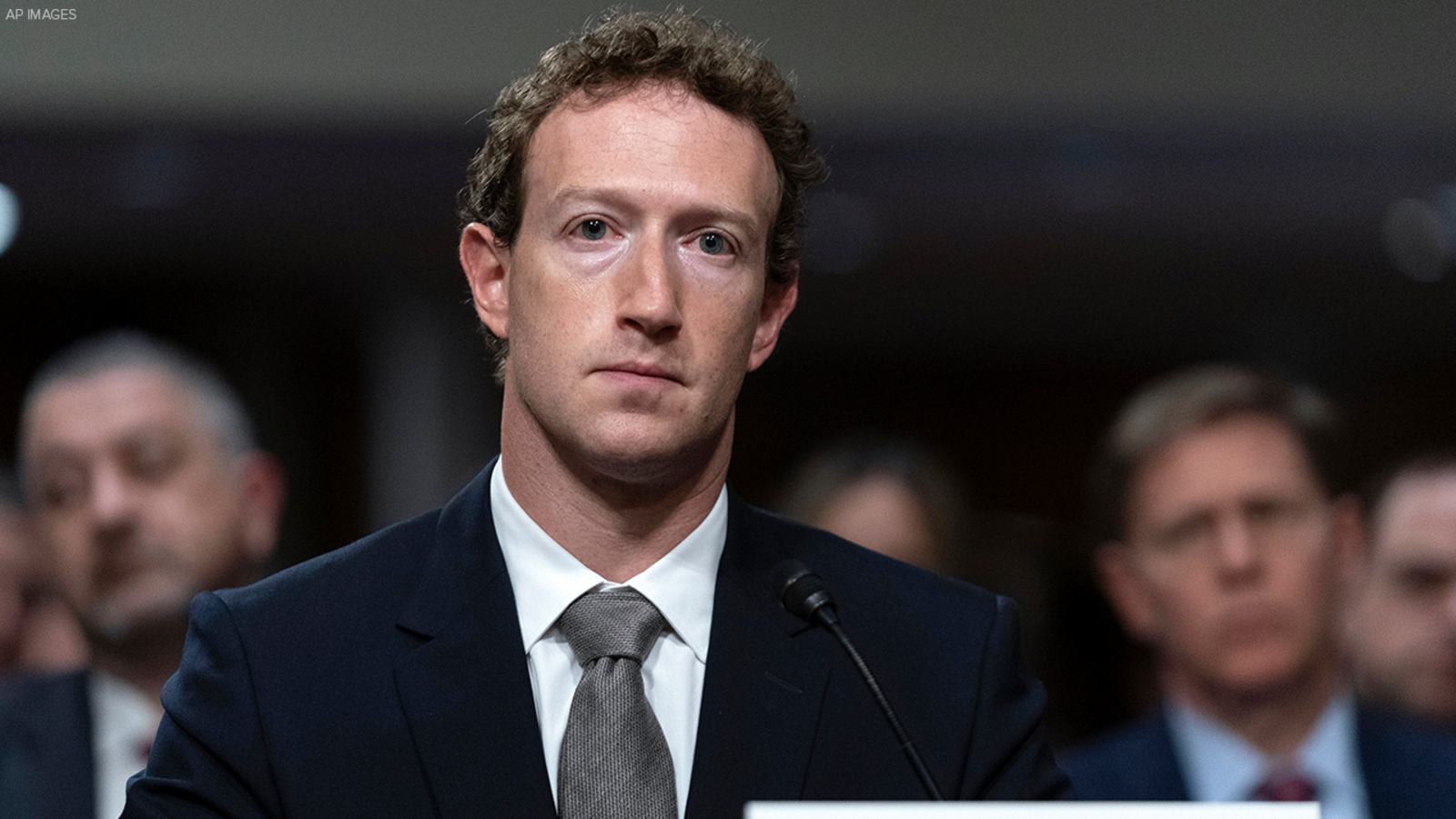
Mark Zuckerberg told a California jury on Wednesday that he regretted how long it took Meta to improve its systems for identifying underage users on Instagram, as he testified in a closely watched social media trial.
Responding to internal complaints that the company had not done enough to verify whether children under 13 were using Instagram, the 41-year-old executive said changes had since been implemented.

However, he admitted, “I always wish that we could have gotten there sooner.”
Zuckerberg’s appearance marked the first time he addressed the safety of his platforms directly before a jury and under oath. The trial in California is the first in a wave of lawsuits brought by American families against major social media companies, accusing them of designing products that deliberately hooked children.
According to reports from inside the courtroom in Los Angeles, Zuckerberg began his testimony in a reserved manner but later grew visibly animated. At moments, he appeared irritated, shaking his head and gesturing as plaintiff lawyer Mark Lanier pressed him on age verification policies and Meta’s broader decision-making philosophy.
Under questioning from his own legal team, Zuckerberg adopted a calmer tone, describing time spent on the app as a “side effect” of delivering a quality experience. He also addressed jurors directly while explaining the company’s approach.

He argued that companies behind smartphone operating systems, including Apple and Google, should take primary responsibility for age verification at the device level rather than leaving each application to manage the process independently.
“Doing it at the level of the phone is just a lot clearer than having every single app out there have to do this separately,” Zuckerberg said. “It would be pretty easy for them.”
During cross-examination, Zuckerberg was presented with internal emails, including warnings from colleagues suggesting age verification tools were inadequate. Other communications appeared to show that increasing user time spent on Instagram had been a significant objective for the company.
The lawsuit centers on claims that Meta and Google-owned YouTube bear responsibility for mental health problems suffered by Kaley G.M., a 20-year-old California resident who began using social media at a young age. According to court testimony, she started using YouTube at six, Instagram at nine, and later joined TikTok and Snapchat.
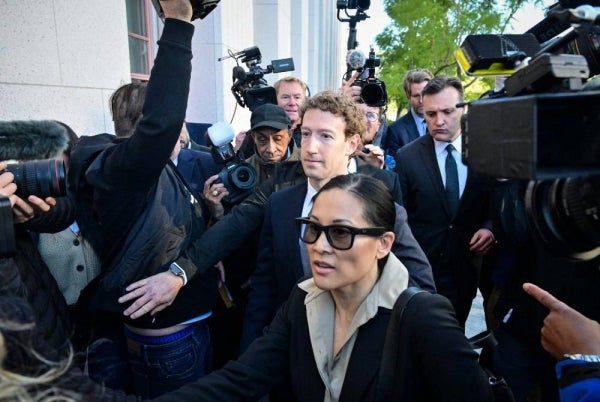
Under-13 users are not permitted on Instagram, and Lanier highlighted that Kaley was able to register despite the age restriction.
Zuckerberg was also confronted with an internal document indicating that Instagram had approximately four million users under 13 in 2015, and that about 30 percent of children aged 10 to 12 in the United States were active on the platform at that time.
He maintained that “we’re in the right place now” regarding age verification.
Lanier further argued that young users were exposed to strategies designed to increase time spent on Meta’s platforms, contradicting earlier sworn testimony to the US Congress. Presented with internal targets related to engagement, Zuckerberg acknowledged that “we used to have goals around time,” but insisted the company’s core mission had been to “build useful services” that connect people.
An older email from former head of public policy Nick Clegg was also read in court, stating: “the fact that we say we don’t allow under-13s on our platform, yet have no way of enforcing it, is just indefensible.”

The jury will ultimately decide whether Meta and YouTube deliberately structured their platforms to encourage compulsive use among young users, potentially contributing to mental health challenges.
The outcome of the case could influence thousands of similar lawsuits alleging that social media platforms have fueled rising rates of depression, anxiety, eating disorders and suicide among young people. TikTok and Snapchat, which were also named in the complaint, reached settlements with the plaintiff before the trial commenced.
What you should know
Mark Zuckerberg testified in a California trial examining whether Meta and other social media companies contributed to mental health harm among young users.
He acknowledged slow progress in identifying underage Instagram users but said improvements have since been made. The case focuses on whether platforms were designed to encourage excessive use and whether companies bear responsibility for resulting psychological effects.
The verdict could shape how future lawsuits against major tech firms are resolved and influence broader standards for online child safety and age verification policies.