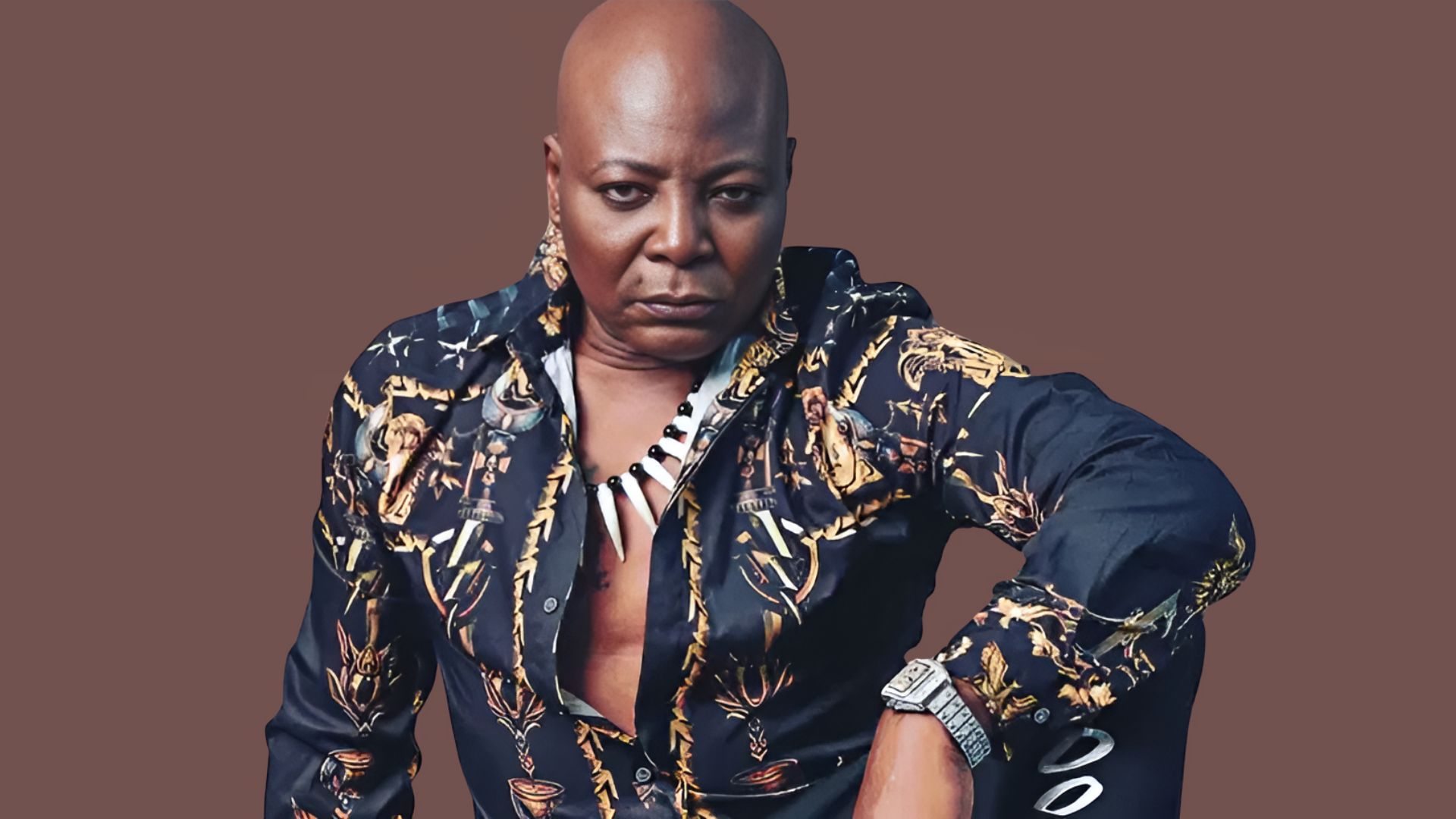
Controversial entertainer and social activist Charles Oputa, better known as Charly Boy, has unleashed a blistering critique of Nigeria’s Christian leadership, alleging that the overwhelming majority of pastors in the country have abandoned their moral duty in favor of financial gain.
Speaking on a recent episode of the KAA Truths podcast, the veteran musician and self-styled “Area Fada” didn’t mince words, claiming that “99 percent” of Nigerian pastors are “useless” and merely running business enterprises under the guise of ministry.
The outspoken entertainer accused religious leaders of maintaining a conspicuous silence while Nigeria grapples with mounting economic hardship and deteriorating security conditions. According to Charly Boy, rather than speaking truth to power as their calling demands, many clerics have instead become complicit with the political establishment they should be holding accountable.
“All the pastors I know of in Nigeria, 99 percent of them are useless. It is just a business that they are running,” Charly Boy declared during the podcast appearance, in remarks that are certain to spark controversy across Nigeria’s deeply religious landscape.
The musician went further, suggesting that these religious leaders are actively collaborating with corrupt politicians to exploit ordinary Nigerians, many of whom turn to faith communities for solace amid the country’s challenges.
In a particularly pointed segment of the interview, Charly Boy distanced himself from what he characterized as a uniquely Nigerian mindset, one he suggests makes citizens susceptible to manipulation by religious figures.
“I may live in Nigeria, but Nigeria does not live in me,” he stated. “I don’t believe like you. I don’t want to think like you people. I’m not in the same class with you people. I come from a different space and time.”
The comments reflect Charly Boy’s long-standing reputation as a nonconformist and provocateur who has built a decades-long career challenging social norms and authority figures. However, this latest salvo represents one of his most sweeping condemnations of organized religion in Nigeria.
The critique comes at a time when Nigeria faces multiple crises, including spiraling inflation, fuel subsidy removal impacts, widespread insecurity, and growing public frustration with governance. Critics have increasingly questioned why influential religious leaders, who command massive followings and resources, have not been more vocal in demanding accountability from political leaders.
Nigeria’s religious landscape is dominated by Christianity and Islam, with megachurches and prominent pastors wielding considerable influence over public opinion. Some religious leaders have amassed significant wealth, operating churches with massive congregations, media empires, and business interests—a reality that has occasionally drawn scrutiny and public debate.
As of press time, no major religious figure or organization had responded to Charly Boy’s allegations, though reaction on social media has been predictably divided, with some Nigerians echoing his sentiments while others have condemned his characterization as overly broad and disrespectful.
The entertainer’s comments are likely to reignite long-running debates about the role of religion in Nigerian society, the relationship between faith and prosperity, and the responsibility of religious leaders to serve as moral voices in times of national crisis.
WHAT YOU SHOULD KNOW
Charly Boy has publicly accused 99% of Nigerian pastors of prioritizing profit over principle, alleging they’ve become business operators who collude with corrupt politicians rather than speaking out against the country’s economic and security crises.
Nigeria’s religious leaders have abandoned their moral responsibility to hold power accountable, choosing instead to exploit struggling citizens for financial gain during the nation’s most challenging times.