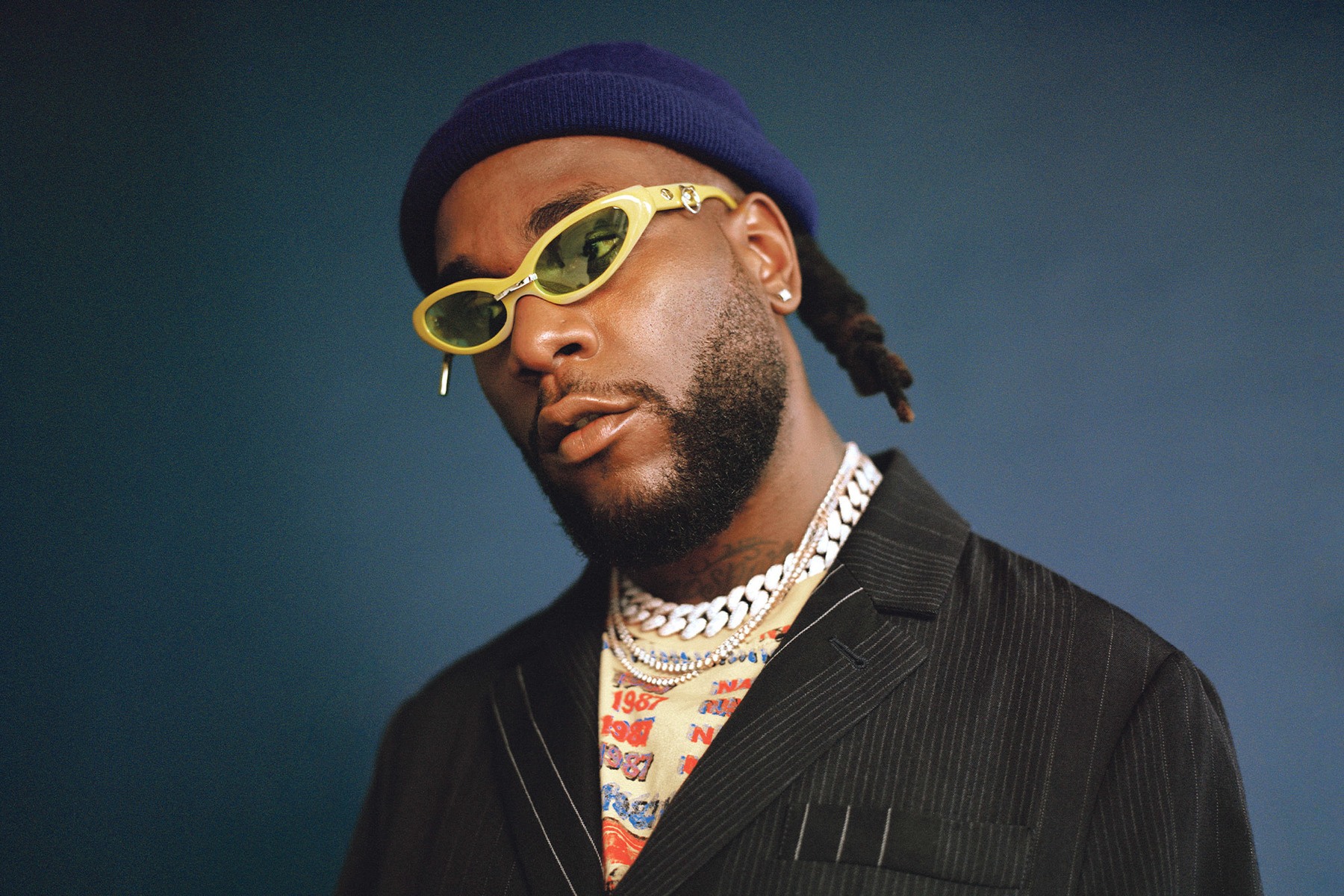
What should have been a routine acquisition of music rights has exploded into a full-blown legal crisis, with Grammy-winning Afrobeats superstar Burna Boy now caught in the crossfire of warring business partners over who rightfully owns the recordings that launched his international career.
The dispute centers on a shadowy 2024 transaction that allegedly saw Aristokrat Music—the independent label that discovered and developed Burna Boy in 2011—quietly sell the artist’s entire early catalogue of master recordings and intellectual property to Spaceship Music, the imprint controlled by Burna Boy himself and his mother-manager, Bose Ogulu.
But 960 Music Group, which holds a substantial 40 percent equity stake in Aristokrat, is crying foul. In explosive court filings and police complaints, the investment firm claims it was completely blindsided by the sale, alleging that Aristokrat’s leadership orchestrated an unauthorized backroom deal that stripped the company of its most valuable assets without proper approval from shareholders or the board of directors.
“You cannot sell 100 percent of an asset when you only have the authority to manage the company, not bypass the owners of 40 percent of its soul,” an executive at 960 Music told reporters, speaking on condition of anonymity. “This was a coordinated effort to move the IP under the radar, and we are asking the court to bring those assets back.”
The matter has now escalated beyond civil litigation. Nigeria’s Force Criminal Investigation Department (FCID) has formally filed criminal charges against Piriye Isokrari, the founder and CEO of Aristokrat Records, following what sources describe as an intensive probe into the circumstances surrounding the sale.
According to charging documents, Isokrari faces allegations of fraudulent conversion—specifically, that he diverted the proceeds from the multi-million dollar transaction for personal enrichment rather than depositing them into Aristokrat’s corporate accounts. He is also accused of breach of fiduciary duty for allegedly circumventing corporate governance protocols to execute what 960 Music characterizes as a “private deal” with Burna Boy’s team.
The criminal investigation adds a dramatic new dimension to what was already a high-stakes commercial dispute, raising the possibility that executives could face prison time if convicted.
The conflict is currently playing out simultaneously in two Federal High Courts—in Lagos and Port Harcourt—with 960 Music seeking declarations that the sale is null and void. Their legal argument hinges on corporate law: as holders of 40 percent of Aristocrat’s equity, they contend that any disposal of the company’s “crown jewel” assets required their express consent and formal board authorization, neither of which was obtained.
Legal experts say the case could hinge on the fine print of Aristokrat’s shareholder agreements and corporate bylaws, which would spell out what level of approval is required for major asset sales.
For Burna Boy, the timing couldn’t be more fraught. The 33-year-old artist has spent the past decade ascending to the pinnacle of global music, capped by his 2021 Grammy Award for Best Global Music Album for “Twice as Tall.” Like many artists who achieve superstardom, gaining control over his early masters would represent both a financial windfall and a symbolic victory over the record label system.
The 2024 acquisition appeared to be exactly that—a chance to bring his breakout recordings, including career-defining hits like “Like to Party” and “Tonight,” fully under his own control through Spaceship Music.
But the alleged procedural irregularities on Aristokrat’s side have now thrown those masters into legal limbo. If the Port Harcourt court sides with 960 Music and voids the transaction, Burna Boy and his mother could be compelled to return the rights to those iconic early recordings to the original ownership structure—meaning he would once again be sharing control with outside investors.
Perhaps more concerning for the artist is the possibility of adverse legal liability. While there is no indication that Burna Boy or Spaceship Music engaged in any wrongdoing, they could face claims that they knowingly participated in or benefited from an improper transaction, potentially exposing them to costly litigation or forced restitution.
The case has sent ripples of concern through Nigeria’s booming music industry, where catalogue acquisitions and rights disputes have become increasingly common as the global value of Afrobeats has skyrocketed. Artists, investors, and label executives are watching closely to see whether Nigerian courts will enforce strict corporate governance standards in the creative industries—or whether informal deal-making will continue to be the norm.
One music industry attorney not involved in the case noted that the dispute highlights the growing pains of an industry that has rapidly professionalized. “Ten years ago, these deals were done on handshakes. Now you have institutional investors, lawyers, and proper corporate structures. The rules have changed, and not everyone has caught up,” the attorney said.
As the legal proceedings grind forward, all parties have remained tight-lipped beyond their court filings. Aristokrat Music, Spaceship Music, and representatives for Burna Boy have not responded to requests for comment. The Nigerian Police Force confirmed the existence of the FCID investigation but declined to provide additional details.
The next court hearing is expected in the coming weeks, with both sides preparing for what could be a protracted and expensive legal war over some of the most valuable recordings in African music history.
WHAT YOU SHOULD KNOW
Burna Boy’s attempt to gain full ownership of his early hit songs has backfired spectacularly.
His former label Aristokrat, allegedly sold him the masters in a secret 2024 deal—but their minority shareholder, 960 Music Group (which owns 40%), claims the sale was illegal because they were never consulted.
Now criminal fraud charges have been filed against Aristokrat’s CEO, and if the courts side with 960 Music, Burna Boy could be forced to give back the rights to career-defining tracks like “Like to Party” and “Tonight.”
What should have been a power move to control his legacy has turned into a legal nightmare that could strip him of those very same masters.