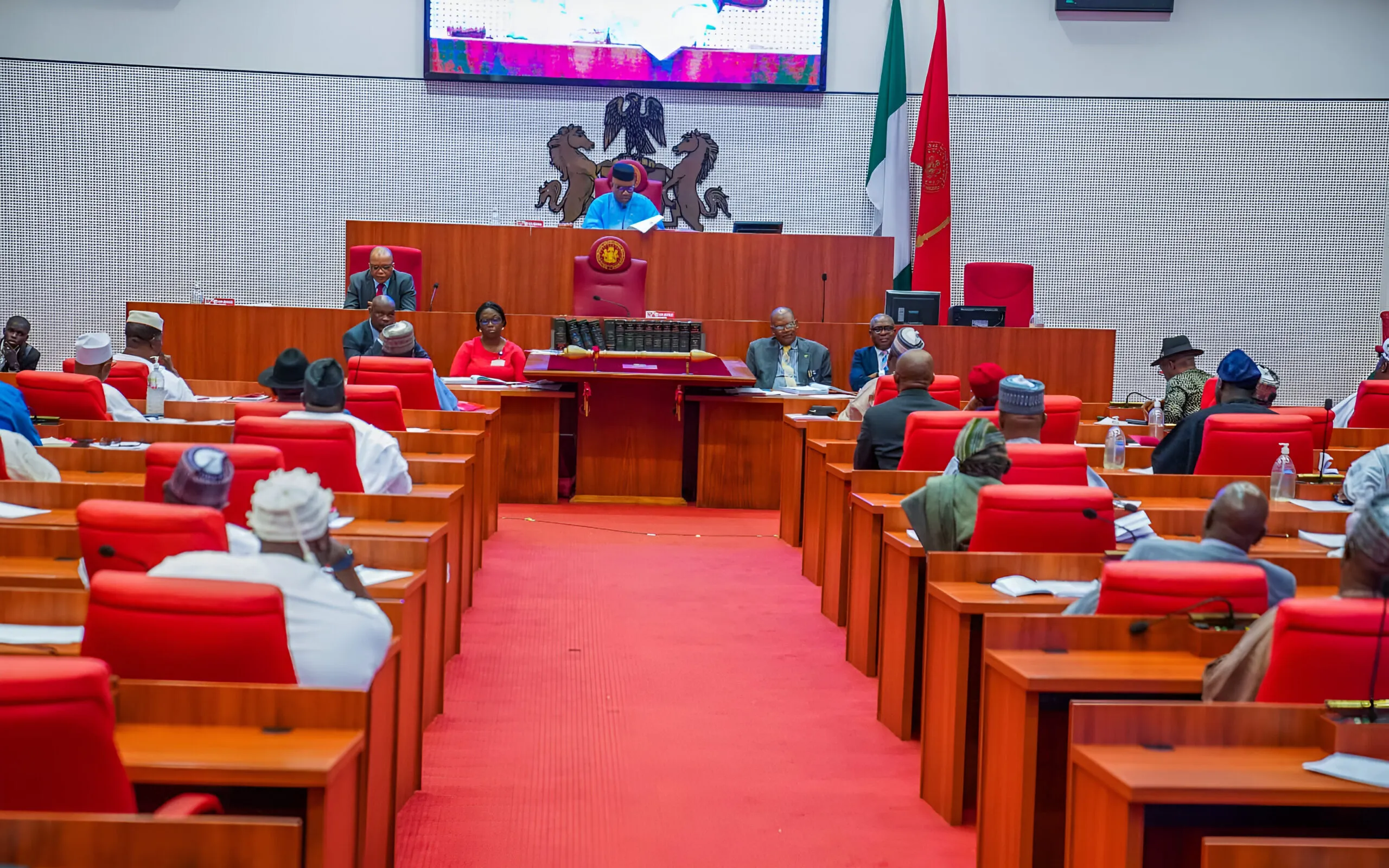
The Senate has announced plans to convene an emergency plenary sitting on Tuesday, February 10, 2026, following mounting public backlash over its recent amendments to the Electoral Act.
The decision was disclosed on Sunday in a statement issued by the Clerk of the Senate, Emmanuel Odo.
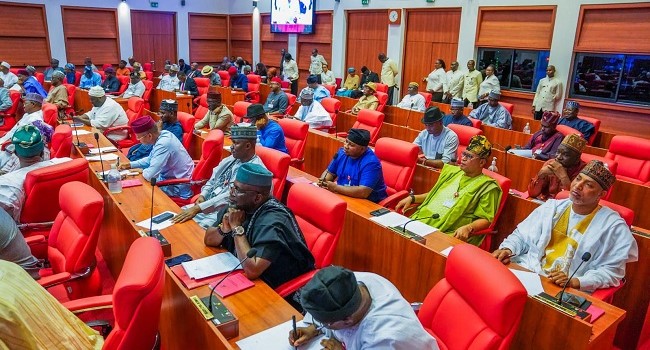
“The President of the Senate, Godswill Akpabio, has directed the reconvening of plenary for an emergency sitting on Tuesday, February 10th, 2026,” the statement read, noting that proceedings would begin at 12 noon and that all senators had been directed to be present.
The emergency session comes just days after the Senate passed the Electoral Act Amendment Bill on February 4, during which lawmakers rejected Clause 60(3) that proposed making the real-time electronic transmission of election results compulsory.
The controversial clause would have obligated presiding officers at polling units to electronically upload results directly to the Independent National Electoral Commission’s Result Viewing (IReV) portal immediately after collation.
Rather than adopting that provision, the Senate opted to preserve the existing clause that permits only the discretionary “transfer” of results once votes have been counted and announced at polling units.
That decision has sparked intense criticism from civil society groups and opposition politicians, many of whom have described the move as a regression for Nigeria’s democratic process and a threat to electoral transparency.
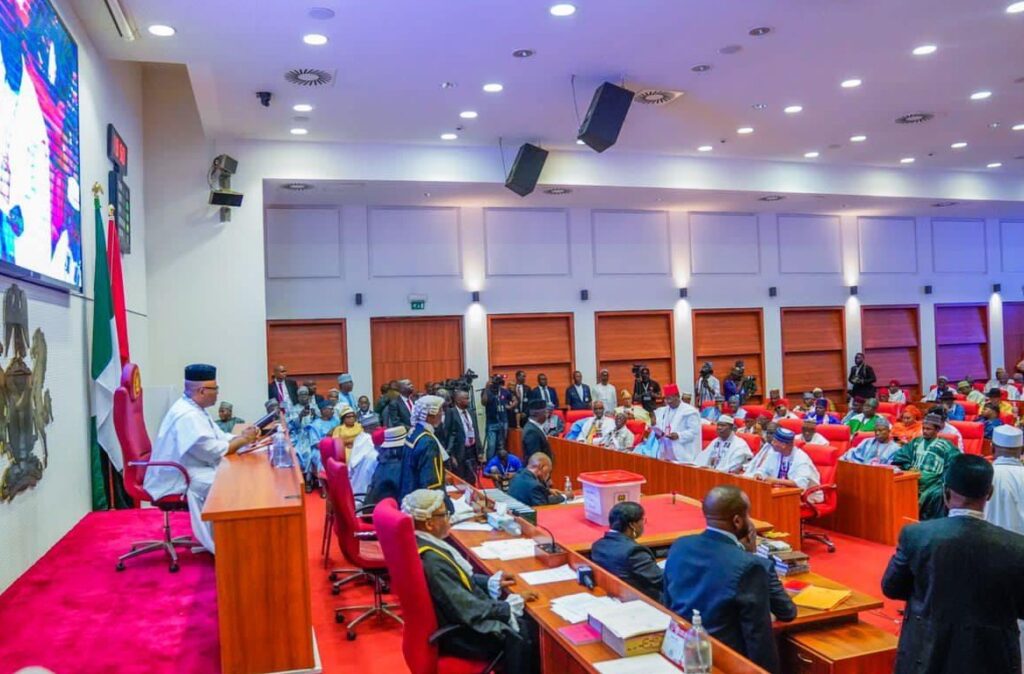
In response to the growing criticism, Senate President Godswill Akpabio has defended the chamber’s action, stating during a public forum that the Senate did not scrap electronic transmission of results and warning that the legislature would not be intimidated by public pressure.
The emergency plenary scheduled for Tuesday is expected to reopen deliberations on the disputed amendment amid sustained public outrage and the likelihood of legal action by some stakeholders, including human rights lawyer, Femi Falana.
What you should know
The emergency sitting reflects the depth of public concern surrounding the Senate’s handling of the Electoral Act amendment, particularly the refusal to mandate real-time electronic transmission of results.
Critics argue that leaving the process to INEC’s discretion could weaken transparency ahead of the 2027 general elections.
With civil society groups, opposition parties, and legal experts threatening court action, the Senate’s next steps could significantly shape public trust in Nigeria’s electoral framework.