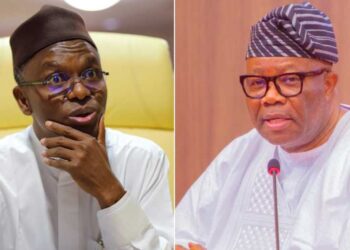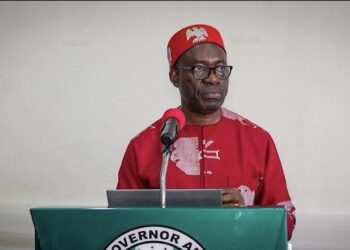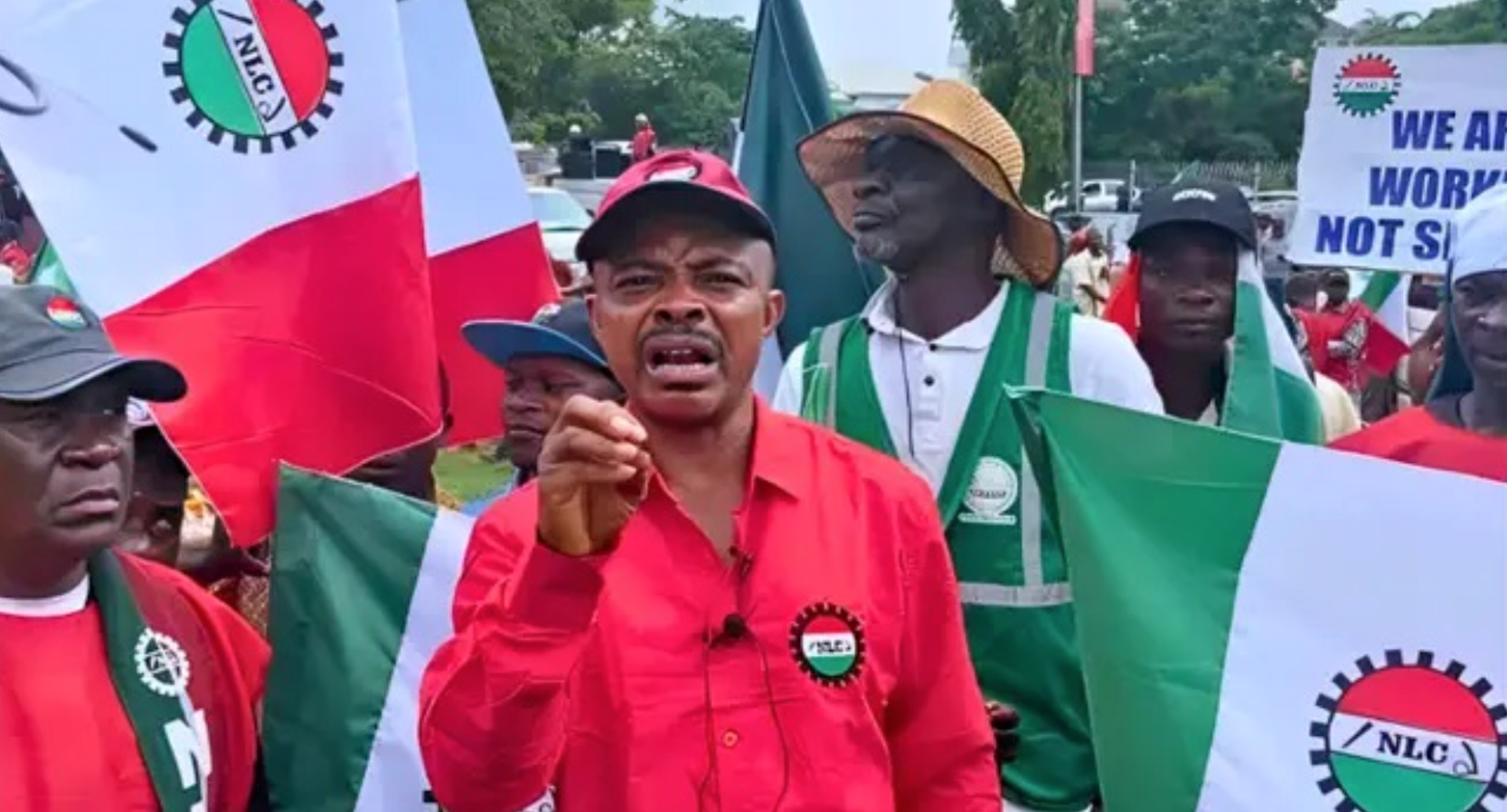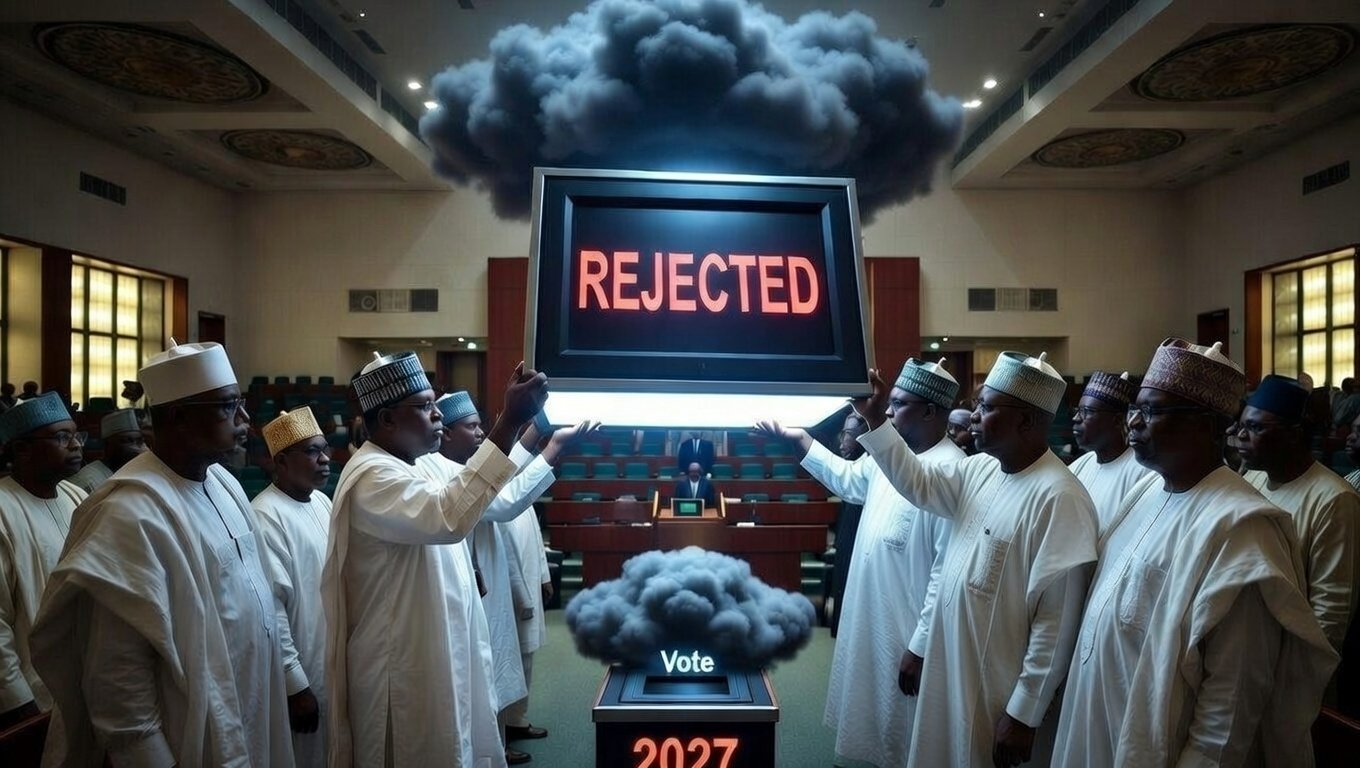
A fresh wave of controversy has followed the Senate’s passage of the Electoral Act (Amendment) Bill 2026, a decision that has once again stirred concerns about the future of Nigeria’s democracy.
Central to the criticism is the lawmakers’ refusal to make real-time electronic transmission of election results compulsory, opting instead to preserve the discretionary provisions contained in the 2022 Electoral Act. For many civil society groups and voters, the move is seen as a calculated obstacle to transparency and electoral credibility.
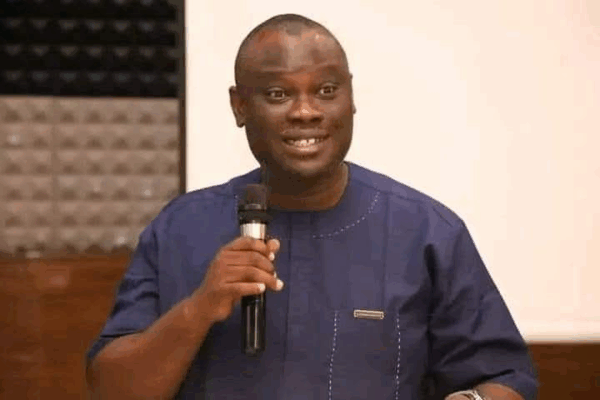
Reacting to the development in an exclusive interview with SYMFONI NEWS, public affairs analyst and columnist Dr. Majeed Dahiru said the outcome was predictable and reflective of a political elite determined to hold on to power. “The ruling party is fully aware of its underperformance and the incumbency disadvantage it carries into 2027,” Dahiru said. “They will not risk reforms that allow Nigerians to hire and fire leaders freely.”
Dahiru, who regularly comments on governance and electoral issues, argued that meaningful reform was unlikely without clear backing from President Bola Tinubu, the national leader of the All Progressives Congress. He contrasted Tinubu’s posture with that of former President Goodluck Jonathan, who acknowledged weaknesses in the electoral system and initiated reforms through the Uwais panel. According to Dahiru, “With no push from the top, why expect a majority APC National Assembly to act against its interests?”
Rather than dwelling on disappointment, the analyst urged Nigerians to adopt a determined and proactive approach. “The only tool left is people power—come out in large numbers, vote, monitor votes, and make sacrifices,” he said. “Resolute public resolve can neutralize any rigging attempt. History shows people power trumps manipulation.”
He also questioned the sincerity behind heavy investments in electoral technologies such as BVAS, suggesting they are often driven by procurement interests instead of a genuine desire for credible elections. “In a community of human beings, you don’t need excessive technology for fair elections,” Dahiru said. “The real issue is integrity—lacking at every level. Politicians should reject unearned votes even in their favor.”
According to him, Nigeria’s persistent electoral challenges stem from deeper structural problems within the political party system. He argued that parties approach power as something to be captured, rather than a responsibility entrusted by citizens. “We must reset the party system so participants uphold constitutional fidelity,” Dahiru said. “Until then, the cycle of manipulation since 1999 continues.”
On identity politics, Dahiru strongly criticised its growing influence, describing it as “prebendalism” and warning that it is even more damaging than racism because it fractures communities that are otherwise similar. “Tribalism is subhuman,” he declared, referencing recent calls in the North for a Muslim-Muslim ticket as evidence of regression, despite decades of independence and democratic experience.
Turning to developments in Rivers State, Dahiru was unsparing in his assessment of the political standoff between Governor Siminalayi Fubara and former Governor Nyesom Wike, now Minister of the Federal Capital Territory. He attributed Fubara’s difficulties to what he described as political inexperience and poor strategic judgment. According to him, the governor missed opportunities to consolidate power following key defections and failed to rally popular support. “He ran to the President instead of seizing the initiative,” Dahiru said. “Wike is a competent political heavyweight; Fubara has proven an incompetent one.”
He advised Rivers voters to take a different path in 2027 by rejecting godfatherism, pointing to Anambra and Abia as examples. “Chart a new course. Elect your own leader with discipline—resist patronage and money. Rivers has suffered enough,” he said.
Expanding his analysis to the national stage, Dahiru offered a bleak assessment of President Tinubu’s administration and its prospects for re-election. “Beyond politics, no—he has left us worse off,” he said, citing economic hardship linked to fuel subsidy removal and the floating of the naira without commensurate benefits. He added, however, that the crisis extends beyond governance alone. “Nigeria suffers not only from government failure but opposition failure. No credible alternative has emerged.”
The analyst stressed that ideological coherence and detailed policy alternatives would be critical ahead of 2027. He argued that Nigerian voters have become more discerning and demand clear, practical solutions. On opposition figures such as Peter Obi, Dahiru suggested that a serious challenge could only emerge through unity, clear programmes, and broad regional appeal, warning that “anything short risks another wide-margin win for an unpopular incumbent due to opposition disarray.”
As the country moves closer to the 2027 general elections amid growing tension and uncertainty, Dahiru’s reflections point to a sobering conclusion: genuine democratic renewal requires more than amendments to electoral laws. Without a shift in political culture, restored integrity, and sustained civic engagement, the existing order may persist, leaving a democracy that continues to prioritise elite interests over the will of the people.
What you should know
The Senate’s rejection of mandatory real-time electronic transmission of election results has reignited concerns about Nigeria’s electoral credibility ahead of the 2027 polls.
Analysts argue the decision reflects elite resistance to reforms that could weaken incumbency advantages. Beyond legal frameworks, critics highlight deeper issues including weak party ideology, identity politics, and limited opposition cohesion.
Observers stress that meaningful change will depend on citizen mobilisation, integrity-driven politics, and clear policy alternatives rather than technology alone or last-minute legislative adjustments.