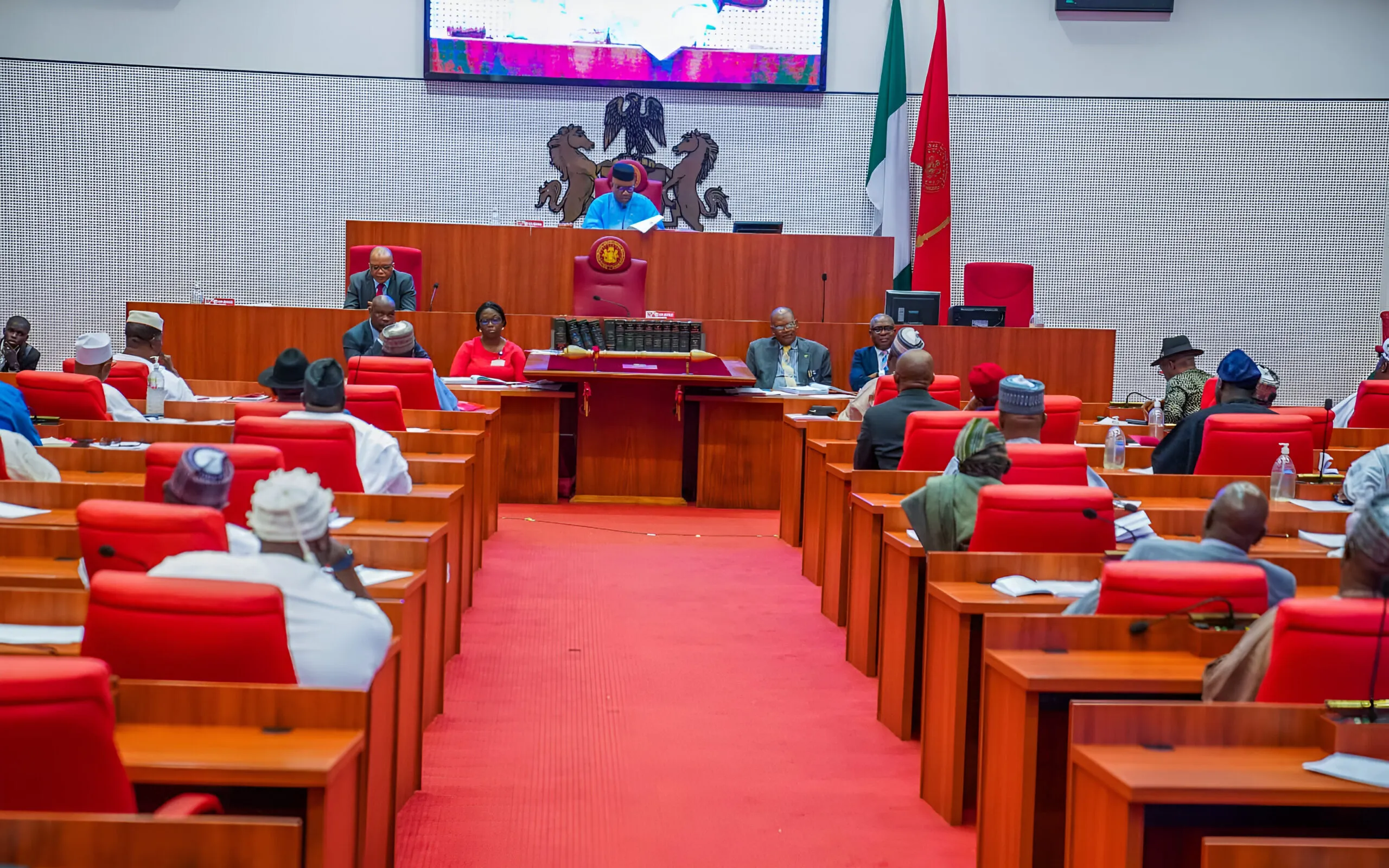
The Senate has begun deliberations on the Electoral Act 2022 (Repeal and Re-enactment) Bill 2026, moving into an executive session to assess documents submitted by the Chairman of the Senate Committee on Electoral Matters, Senator Simon Lalong.
Lawmakers resolved to meet behind closed doors to carefully study the proposed amendments and accompanying materials before resuming open legislative debate on the bill.
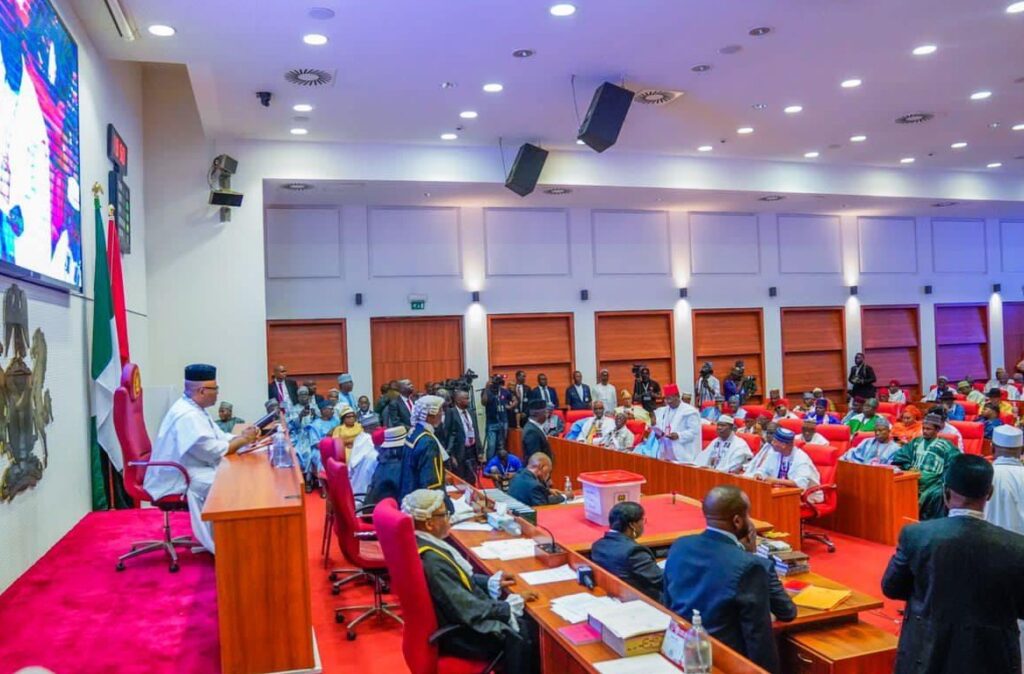
The development follows the Senate’s decision on Wednesday to step down consideration of the legislation, allowing members adequate time to prepare for a comprehensive review.
While the House of Representatives has already passed the bill, Senate President Godswill Akpabio stressed the importance of subjecting it to detailed scrutiny, given its far-reaching impact on Nigeria’s electoral framework.
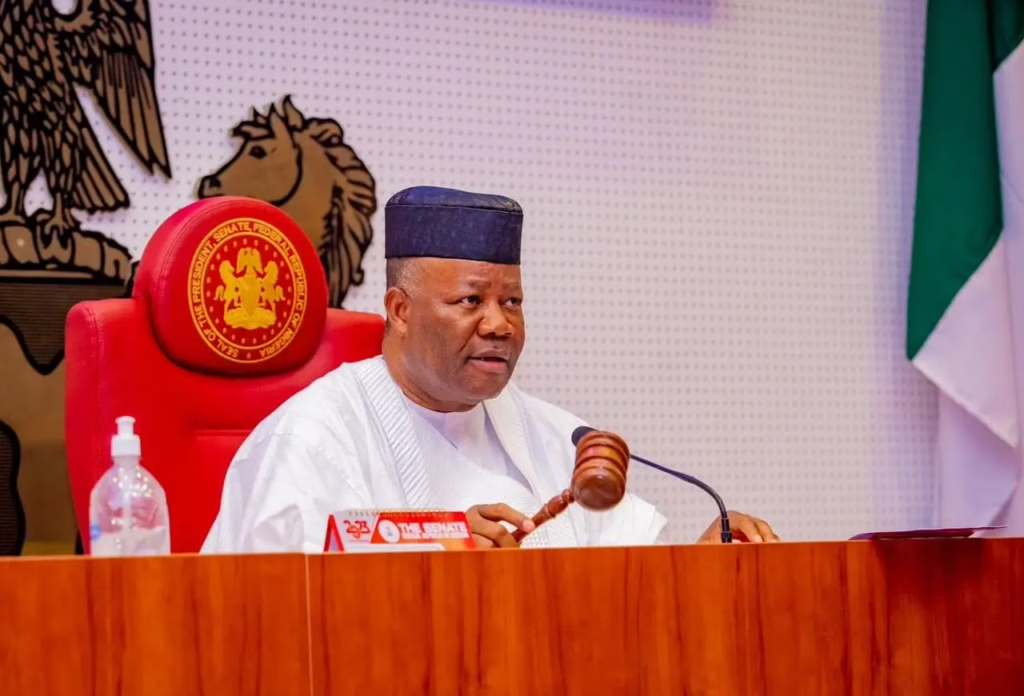
“This is a very important bill, especially as it is election time. We must take our time to ensure justice is done to all, so that we do not end up at the tribunal,” he said.
Findings from the Senate Committee on Electoral Matters revealed that a clause-by-clause examination of the bill suggests its passage would leave behind a lasting legacy of electoral integrity, improve transparency, and strengthen public trust in the electoral process.
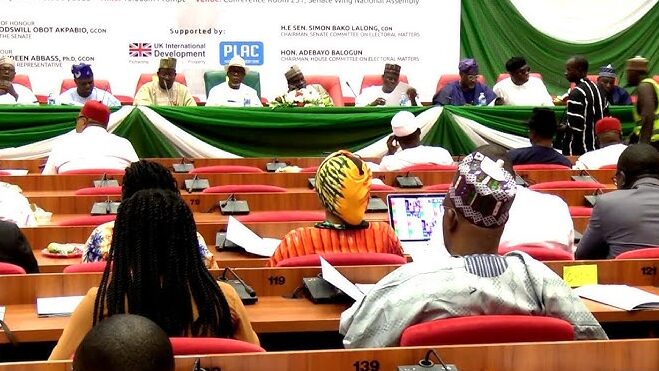
The committee, therefore, urged the Senate to deliberate on and approve the Electoral Act (Repeal and Enactment) Bill, 2025, as amended, noting that the proposed changes would widen voter participation, protect the system from electoral malpractice, and reinforce the institutional capacity of the Independent National Electoral Commission (INEC).
What you should know
The Electoral Act amendment being considered by the Senate is aimed at reforming Nigeria’s electoral process ahead of future elections.
Although the House of Representatives has passed the bill, the Senate is taking a cautious approach due to the sensitive nature of electoral laws and their impact on democracy.
If passed, the amendments are expected to enhance transparency, improve voter confidence, expand participation, and strengthen INEC’s ability to conduct credible elections, potentially reducing post-election disputes and tribunal cases.