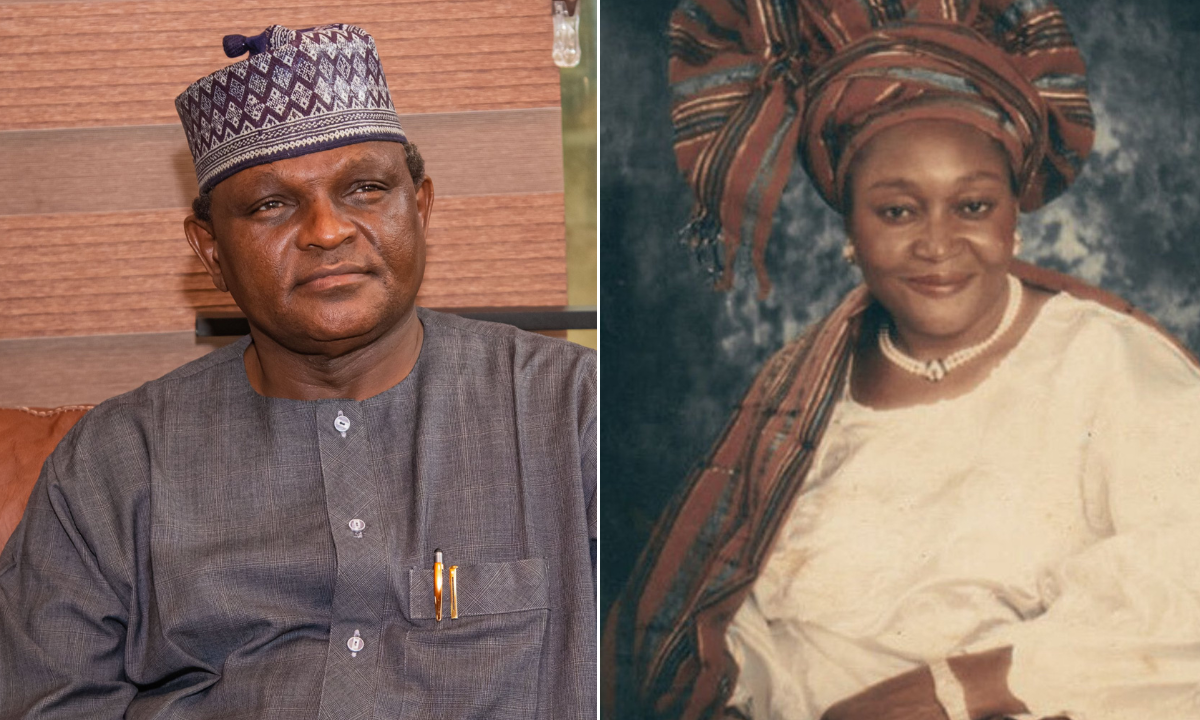
The Supreme Court has dismissed the attempt to revive the trial of former Chief Security Officer to ex-Military Head of State, General Sani Abacha, Major Hamza Al-Mustapha (rtd), over the murder of Kudirat Abiola, bringing a definitive end to the long-running case.
During proceedings at the apex court, Lagos State was expected to pursue its bid to re-open the trial. However, the state failed to appear through any legal representative and had not filed any process since 2014, when it was granted permission to re-open the case.
Counsel to Al-Mustapha, Paul Daudu, informed the court that Lagos State had taken no steps whatsoever to implement the order granted more than nine years ago. He told the justices that the state did not even file a notice of appeal to show any intention to prosecute the matter.
Daudu explained that when the Supreme Court granted Lagos State permission in 2014 to re-open the case, it gave the state 30 days to file its notice of appeal. According to him, nothing had been done since then. He urged the court to hold that the state had abandoned the case and to dismiss it entirely.
Justice Uwani Aba-Aji, who presided over the matter, asked whether Lagos State had been served with hearing notice. The registrar of the court confirmed that service had been effected.
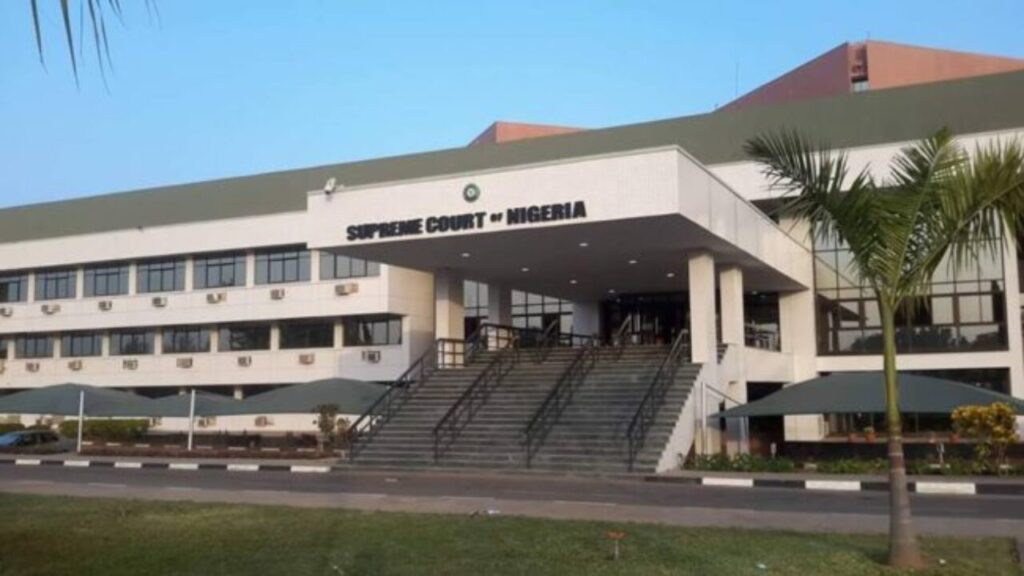
In a unanimous ruling, the Supreme Court agreed that Lagos State had clearly lost interest in the case and had abandoned it. Justice Aba-Aji held that nine years was more than sufficient for the appellant to have filed both a notice of appeal and a brief of argument.
The court also expressed displeasure that the state government neither appeared in court nor provided any explanation, despite being served with hearing notices since 2020. On that basis, the appeal was dismissed.
Kudirat Abiola was the wife of businessman and politician, MKO Abiola, the presumed winner of the June 12, 1993 presidential election annulled by former President Ibrahim Babangida. She was assassinated in Lagos during the nationwide unrest that followed the annulment, amid her continued campaign against military rule.
Another related matter filed by the Lagos State Government arising from the same trial was also dismissed on identical grounds.
In 2014, the Supreme Court had granted Lagos State permission to challenge the July 12, 2013 judgment of the Court of Appeal, which discharged and acquitted Al-Mustapha. The then Acting Chief Justice of Nigeria, Justice Walter Samuel Nkanu Onnoghen, ordered the state to file its notice of appeal within 30 days.
That ruling followed an application by Lagos State seeking leave to appeal out of time, which Al-Mustapha’s counsel, Joseph Daudu (SAN), did not oppose. Justice Onnoghen stated that the decision extended the time for Lagos State to appeal against the Court of Appeal judgment delivered on July 12, 2013, until January 7, 2014.

By that permission, Lagos State was cleared to challenge the not-guilty verdict granted to Al-Mustapha by the Court of Appeal. The state had argued that it intended to contest the appellate court’s findings on grounds of alleged miscarriage of justice.
The Lagos State Government had also indicated its intention to ask the Supreme Court to overturn the Court of Appeal judgment and restore the death sentence imposed on Al-Mustapha by a Lagos High Court on January 30, 2012.
Al-Mustapha, Mohammed Abacha, and the late Lateef Shofolahan were charged before a Lagos High Court with conspiracy and the murder of Alhaja Kudirat Abiola on June 4, 1996. Justice Moji Dada of the Lagos High Court convicted them in January 2012 and sentenced them to death by hanging.
However, in a unanimous judgment on July 12, 2013, a three-member panel of the Court of Appeal set aside the conviction, discharged, and acquitted the accused persons, ruling that the evidence presented by the prosecution was insufficient to sustain the death sentence.
What you should know
The Supreme Court’s decision effectively brings final closure to the Kudirat Abiola murder case as it concerns Major Hamza Al-Mustapha.
By ruling that Lagos State abandoned its appeal after failing to act for nine years, the court reaffirmed the principle that justice must be pursued diligently and within the time allowed by law.
The ruling leaves intact the 2013 Court of Appeal judgment that discharged and acquitted Al-Mustapha, ending decades of legal proceedings linked to one of Nigeria’s most politically significant assassination cases.