The African Union (AU) has officially designated Nigeria as the Digital Trade Champion for the continent under the Africa Continental Free Trade Area (AfCFTA) Digital Trade Protocol. This recognition follows Nigeria’s impressive efforts in promoting digital enterprise and innovation.
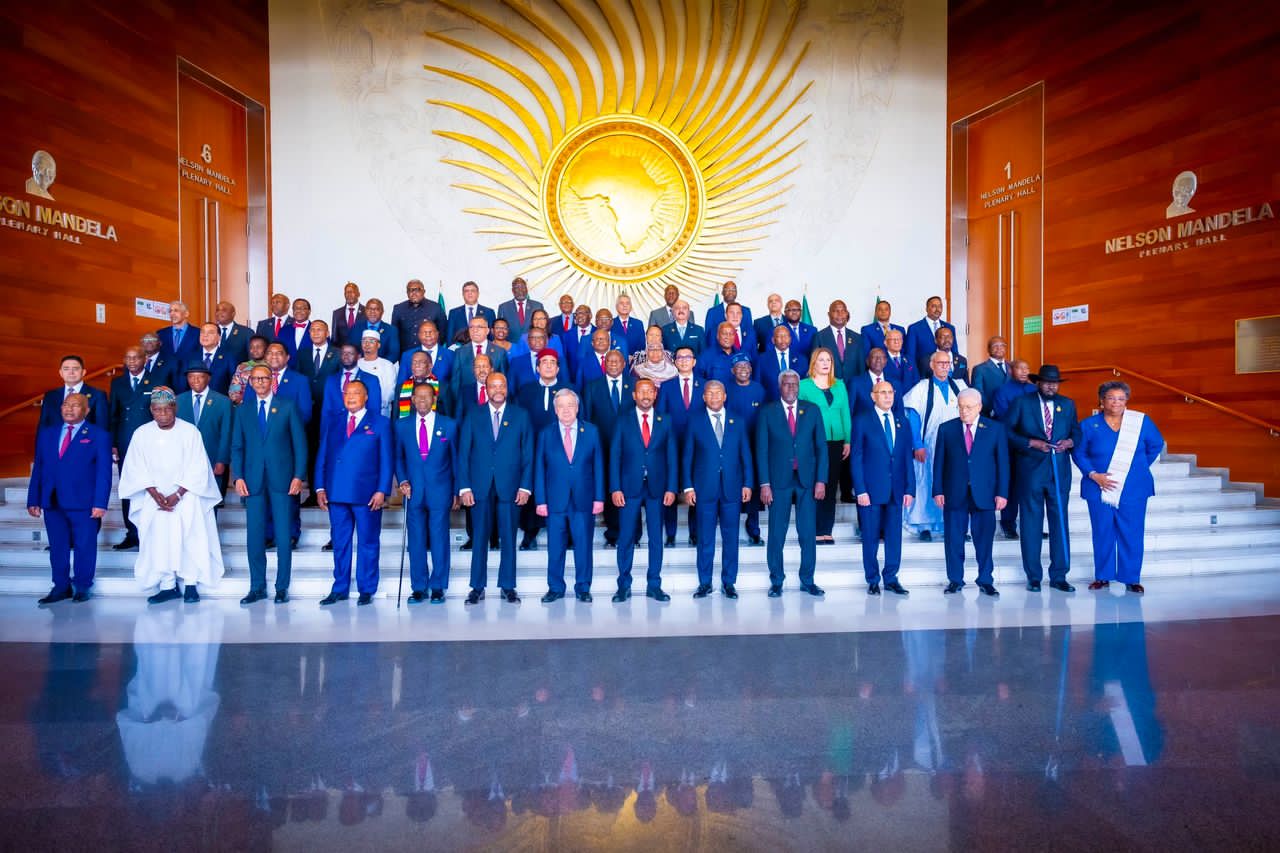
The decision was made during the 38th Ordinary Session of the Assembly of Heads of State and Government in Addis Ababa, Ethiopia, where Nigeria’s leadership in advancing the AfCFTA Digital Trade Protocol, adopted in February 2024, was acknowledged.
The protocol outlines an agenda to develop eight annexes covering crucial areas such as rules of origin, digital identities, cross-border data transfers, cybersecurity, emerging technologies, and financial technology.
In his annual report on the AfCFTA’s digital trade progress, Mahamadou Issoufou, former President of Niger Republic and AU AfCFTA Champion, praised Nigeria’s leadership for convening the Digital Economy Roundtable in January, describing it as a pivotal event for driving Africa’s digital trade agenda.
“No organisation, region, or continent has negotiated or adopted such a comprehensive legal instrument on digital trade,” Issoufou stated, emphasizing Africa’s potential to leverage the digital economy for innovation and job creation.
He noted that young Africans are leading in digital innovation, particularly in mobile banking and other digital services, and that the AfCFTA protocol will create an enabling environment for their participation in Africa’s digital economy.
Minister of Industry, Trade, and Investment, Dr. Jumoke Oduwole, highlighted the significance of the AU endorsement, stating:
“The AfCFTA Digital Trade Protocol is a game changer in advancing Africa’s economic development. It will create millions of jobs for Africa’s growing, tech-savvy youth, contribute billions to the continent’s GDP, and attract substantial investments for public digital infrastructure.”
This designation positions Nigeria at the forefront of Africa’s digital trade revolution, paving the way for deeper integration into the global digital economy.