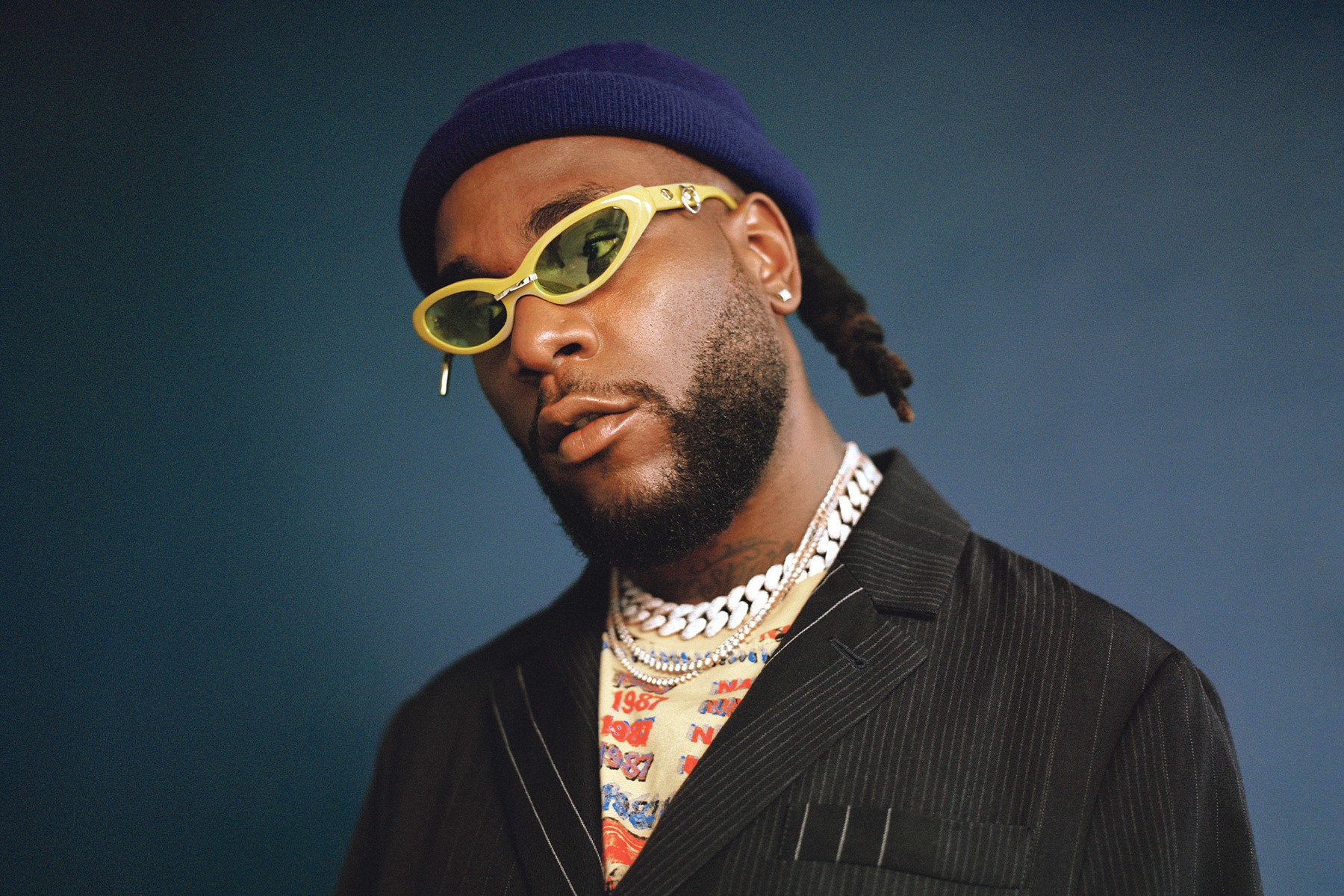
In a watershed moment for African music on the global stage, Nigerian Grammy-winning artist Burna Boy has achieved an unprecedented milestone, becoming the first African artist to register nearly 2 billion streams on Spotify in a single calendar year.
The self-proclaimed “African Giant” amassed a staggering 1.986 billion streams throughout 2025, establishing a new benchmark that underscores the explosive international growth of Afrobeats and African music more broadly. This historic achievement places Burna Boy—known for chart-topping hits including “Ye,” “Last Last,” and “It’s Plenty”—at the forefront of a continental musical revolution that continues to captivate audiences worldwide.
The race for streaming supremacy among African artists proved intensely competitive in 2025, with Burna Boy edging out fellow Nigerian superstar Wizkid, who secured the second position with 1.81 billion streams. The 170 million stream margin between the two artists highlights both the exceptional performance of Nigeria’s leading musical exports and the growing appetite for Afrobeats across global markets.
South African sensation Tyla claimed third place with 1.67 billion streams, demonstrating the genre-blending appeal that has made her an international breakout star. Her position on the list marks a significant moment for South African representation in the streaming era, proving that African musical excellence extends well beyond Nigeria’s borders.
Rounding out the top five are two more Nigerian heavyweights: Rema, whose infectious sound secured 1.63 billion streams, and Davido, the veteran hitmaker who registered 1.58 billion streams. The dominance of Nigerian artists in the upper echelons of this ranking—claiming four of the top five positions—reflects the nation’s continued stranglehold on contemporary African popular music.
Perhaps most remarkably, the streaming data reveals that all ten artists in the top rankings surpassed the 1 billion stream threshold in 2025—a feat that would have seemed inconceivable just a decade ago. Asake, the fast-rising star known for his distinctive Amapiano-influenced sound, secured sixth place with 1.52 billion streams, while vocal powerhouse Ayra Starr claimed seventh with 1.47 billion streams.
CKay, whose 2019 hit “Love Nwantiti” became a global phenomenon, maintained his relevance with 1.38 billion streams in eighth position. Rising sensation Seyi Vibez followed with 1.32 billion streams, and veteran artist Mr. Eazi rounded out the top ten with 1.26 billion streams, proving that longevity and consistency remain valuable currencies in the streaming economy.
Industry analysts suggest that these remarkable figures represent more than individual achievement—they signal a fundamental shift in global music consumption patterns. African artists are no longer seeking validation from international markets; they are commanding them. Streaming platforms have democratized access, allowing African sounds to reach listeners from São Paulo to Seoul without the traditional gatekeepers of Western radio and television.
For Burna Boy specifically, this milestone caps a remarkable journey from the streets of Port Harcourt to global superstardom, reinforcing his status as one of Africa’s most bankable and culturally significant musical exports.
As we move deeper into 2026, one thing remains clear: African music isn’t just having a moment—it’s defining the future of global popular music, one stream at a time.
WHAT YOU SHOULD KNOW
Burna Boy has made history as the first African artist to reach nearly 2 billion Spotify streams in a single year, achieving 1.986 billion streams in 2025. This landmark accomplishment not only cements his position as Africa’s streaming king but also reflects a broader transformation in global music: African artists—particularly from Nigeria—are no longer chasing international recognition; they’re dominating the charts.
With all top 10 African artists surpassing 1 billion streams, the data proves that Afrobeats and African music have evolved from a regional trend into a defining force in worldwide popular culture. The message is clear: African music isn’t the future—it’s the present.