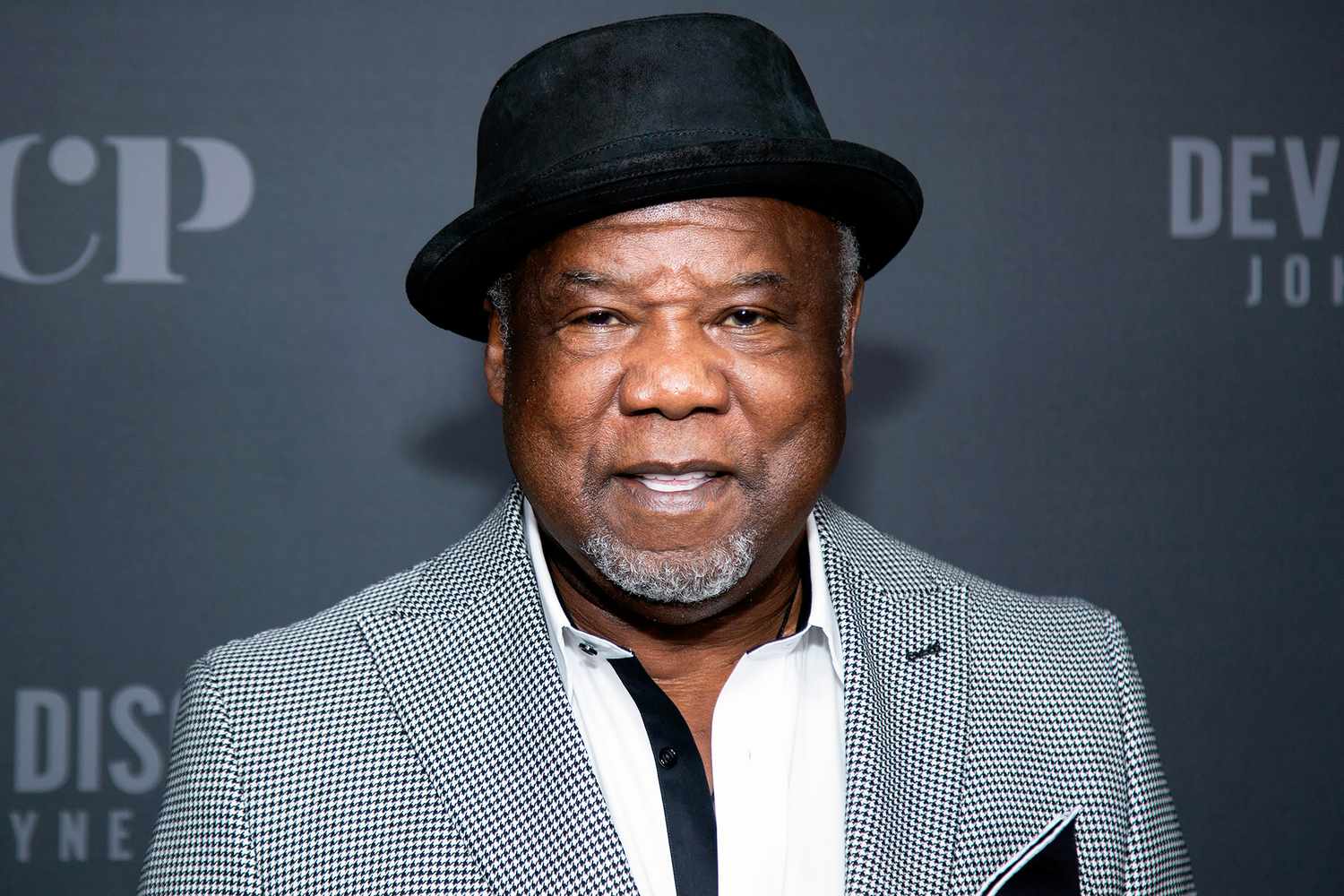
The entertainment industry is mourning the loss of Isiah Whitlock Jr., the veteran character actor whose indelible portrayal of crooked politician Clay Davis on HBO’s critically acclaimed “The Wire” made him a cult favorite among television audiences. Whitlock died on Tuesday at age 71, his longtime manager confirmed.
“It is with tremendous sadness that I share the passing of my dear friend and client Isiah Whitlock Jr.,” manager Brian Liebman wrote on social media. “If you knew him, you loved him. A brilliant actor and even better person.”
Whitlock’s death marks the end of a remarkable career spanning more than four decades and encompassing over 125 screen credits across film, television, and animation. Yet for many fans, he will forever be remembered for his scene-stealing performance as the slippery Maryland state senator Clay Davis, whose multi-syllabic pronunciation of a four-letter expletive—”sheeeee-it”—became one of the most quoted catchphrases in television history.
That signature line, which the show’s writers increasingly worked into scripts after recognizing its popularity, perfectly encapsulated both the character’s brazen corruption and Whitlock’s gift for infusing even morally compromised roles with charisma and humor. Set against the backdrop of Baltimore’s drug trade and political machinery, “The Wire” creator David Simon crafted a universe of institutional dysfunction that Whitlock helped bring to vivid life.
On Tuesday, Simon paid tribute by posting a photograph of Whitlock with a gentle smile and warm eyes, a testament to the man behind the memorable character.
Whitlock’s professional journey was deeply intertwined with another titan of American cinema: director Spike Lee. The actor appeared in at least six Lee films, including “25th Hour,” “BlacKkKlansman,” and “Da 5 Bloods,” becoming part of the filmmaker’s trusted ensemble. Lee’s social media tribute—a photograph of the two men holding hands, accompanied by the words “My Dear Beloved Brother”—spoke to a creative partnership that had evolved into genuine friendship.
Beyond his signature role, Whitlock demonstrated a remarkable range. He brought gravitas to his portrayal of the U.S. Secretary of Defense on HBO’s political satire “Veep,” lent his distinctive baritone to Pixar animated features including “Lightyear” and “Cars 3,” and even appeared in one of his earliest film roles in Martin Scorsese’s mob classic “Goodfellas,” playing a doctor who supplied Valium to Henry Hill.
Born in South Bend, Indiana, Whitlock was the middle child in a family of ten children. His father worked in the steel mills, providing for the large family in America’s industrial heartland. After graduating from Southwest State University, Whitlock honed his craft at San Francisco’s prestigious American Conservatory Theater, where he developed the skills that would sustain a career marked by consistent work and critical respect.
In an industry often focused on leading roles and marquee names, Whitlock exemplified the essential art of character acting—the ability to create fully realized human beings in supporting roles, to elevate every project he touched, and to leave audiences wanting more. His 125-plus credits stand as a testament not just to longevity, but to reliability, talent, and the respect of casting directors and filmmakers who knew they could count on him to deliver.
Details regarding funeral arrangements and survivors were not immediately available. Whitlock’s legacy lives on in the countless performances that continue to entertain and move audiences and in the industry professionals whose lives he touched with what his manager called his brilliance as both an actor and a person.
WHAT YOU SHOULD KNOW
Isiah Whitlock Jr., the beloved character actor who turned “The Wire’s” corrupt Senator Clay Davis into a cultural icon with his signature “sheeeee-it” catchphrase, has died at 71.
With over 125 credits spanning four decades—including six Spike Lee collaborations, roles in “Veep” and “Goodfellas,” and Pixar voice work—Whitlock embodied the essential character actor: reliable, talented, and capable of elevating every project he touched.
The son of an Indiana steel mill worker who studied at San Francisco’s American Conservatory Theater, Whitlock proved that supporting roles, performed with skill and charisma, can leave as lasting an impression as any leading part.
His manager and collaborators, including directors David Simon and Spike Lee, remembered him not just as a brilliant performer, but as an even better person—a fitting legacy for an artist who brought humanity to every character he portrayed.