The commodities landscape in 2025 has painted a story of stark contrasts, with gold and silver delivering extraordinary returns while energy and agricultural products struggled under the weight of oversupply and weakening demand.
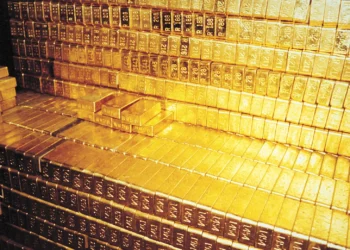
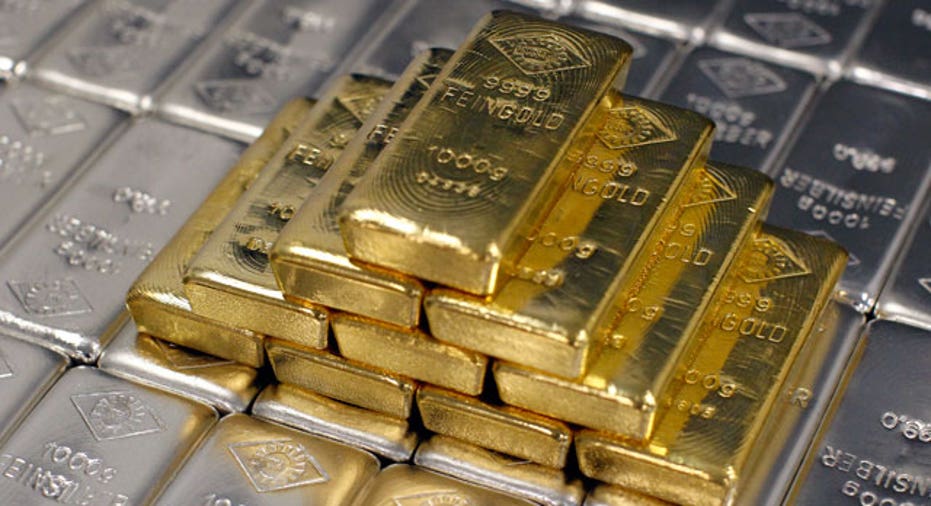
Silver emerged as the undisputed champion of the year, surging an eye-watering 161% to breach the $80 per ounce barrier for the first time in its trading history. Gold, long regarded as the ultimate haven, wasn’t far behind with a robust 66% advance that saw prices reach unprecedented levels. These remarkable gains came as investors sought shelter from the economic uncertainty and geopolitical turbulence that characterized much of the year.
The precious metals rally wasn’t confined to gold and silver alone. Platinum and palladium both posted strong annual performances, suggesting broad-based strength across the sector. Several factors converged to drive this momentum: silver’s new designation as a critical U.S. mineral added strategic importance to its appeal, while persistent supply constraints and depleted inventories created a supportive technical backdrop. Meanwhile, relentless central bank accumulation continued to underpin gold’s advance.
The industrial metals complex told an equally compelling story. Copper, often viewed as a barometer of global economic health, climbed to an all-time high of $12,960 per metric ton on the London Metal Exchange this week, representing a near-44% gain for the year. The red metal benefited from a confluence of bullish factors: a weakening U.S. dollar that made dollar-denominated commodities more attractive to foreign buyers, surging demand from the burgeoning artificial intelligence sector’s data center buildout, expanding renewable energy infrastructure needs, and unexpected mine output disruptions that tightened available supply.
Tin mirrored copper’s performance with similar percentage gains, driven by supply disruptions in Myanmar and constrained flows from Indonesia. Aluminum added 17% as China implemented caps on smelting capacity while demand from energy transition technologies continued to grow. Even iron ore, despite falling crude steel output from China, found support from surprisingly resilient demand and Beijing’s policy shift to relax homebuying restrictions in major cities.
The energy complex painted a decidedly different picture. Oil benchmarks Brent crude and U.S. West Texas Intermediate both tumbled approximately 15%, with Brent on track for its longest-ever streak of annual losses. This decline persisted despite significant supply disruptions from Ukraine’s attacks on Russian energy infrastructure and U.S. sanctions targeting Venezuelan oil, underscoring just how oversupplied the market had become.
The Organization of the Petroleum Exporting Countries and its allies have found themselves in a difficult position. After releasing some 2.9 million barrels per day into the market since April 2025, OPEC+ announced a pause on further output increases for the first quarter of 2026. Morgan Stanley’s global oil strategist Martijn Rats suggested that deeper production cuts could materialize if prices experience a substantial decline, though a continuation of the current unwinding process appears more likely if prices hold steady.
Agricultural markets delivered mixed but predominantly negative results. Cocoa suffered the most dramatic reversal, plummeting 48% to claim the dubious distinction of 2025’s biggest commodity loser. This collapse came after an extraordinary 178% surge in 2024 that had been driven by poor West African harvests. The 2024 price spike ultimately proved self-defeating, simultaneously crushing demand for the chocolate ingredient while incentivizing increased production.
Raw sugar and robusta coffee each surrendered roughly a fifth of their value, pressured by ample supplies. Chicago soybeans managed to eke out modest gains, largely thanks to China’s resumption of U.S. imports following an improvement in bilateral relations that helped offset earlier losses from trade tensions. Wheat and corn, however, are headed for weaker finishes as global stockpiles remain abundant.
Malaysian palm oil declined 9% on plentiful supplies, though Indonesian biodiesel mandates may provide a floor for prices. Rubber gave up 9% as favorable weather conditions in Thailand boosted output, compounded by lackluster tire demand from a struggling automobile industry.
Looking toward 2026, analysts see continued strength in precious metals. Tim Waterer, chief market analyst at KCM Trade, noted that “demand for metals is looking solid from both an industrial and retail perspective,” with the fundamental drivers of central bank demand and investor positioning ahead of anticipated U.S. interest rate cuts remaining intact.
BNP Paribas commodities analyst Jason Ying echoed this optimistic view, stating, “We continue to see upside in precious metals as a lot of the risks from this year remain going into 2026.”
However, the outlook for agricultural and energy commodities remains subdued, with growing supplies and tepid demand expected to limit any meaningful upside potential. The divergence that defined 2025 appears poised to persist well into the new year.
WHAT YOU SHOULD KNOW
2025 was a year of extreme commodity divergence. Precious metals delivered exceptional returns—silver up 161%, gold up 66%—driven by economic uncertainty, geopolitical risks, and expectations of lower interest rates. Industrial metals like copper also surged 44% on AI and renewable energy demand.
However, energy and agricultural commodities struggled badly. Oil fell 15% despite geopolitical disruptions due to massive oversupply, while cocoa crashed 48% after its 2024 price spike destroyed demand and boosted production.
In 2025, scarcity won, and abundance lost. Metals benefited from supply constraints and strong demand fundamentals, while energy and agriculture suffered from oversupply and weak consumption. This divergence is expected to continue into 2026, with precious metals offering the most promising outlook as interest rates fall.