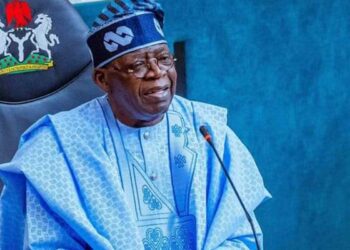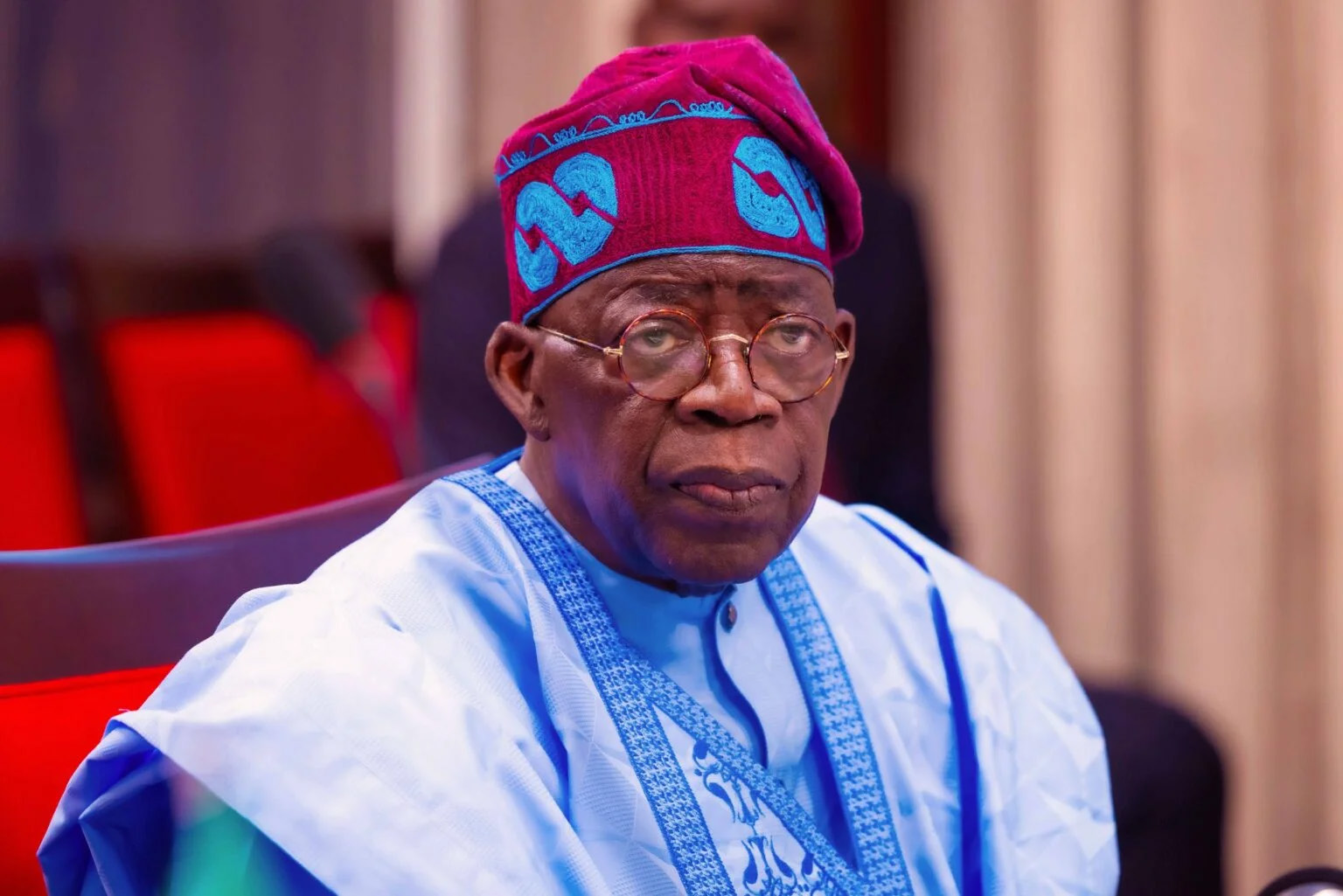
President Bola Tinubu has delivered an unequivocal message to critics of Nigeria’s controversial tax reforms: there will be no turning back.
In a statement posted on Tuesday on the social media platform X, the president dismissed mounting pressure to halt or delay implementation of the newly enacted tax laws, describing the reforms as essential to the country’s economic future and insisting they will proceed as planned.
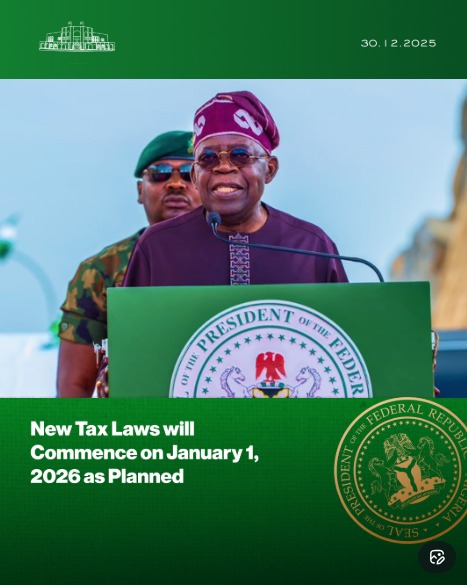
The announcement comes as Nigeria grapples with a heated public debate over the tax overhaul, with various stakeholders—including business groups, civil society organizations, and opposition figures—raising concerns about specific provisions in the legislation and calling for a pause to allow for broader consultation.
President Tinubu made clear that the government’s timeline remains firm. Some components of the reform package have already taken effect, having been implemented on June 26, 2025. The remaining provisions are scheduled to commence on January 1, 2026—just two days away—and the president indicated there would be no deviation from that schedule.
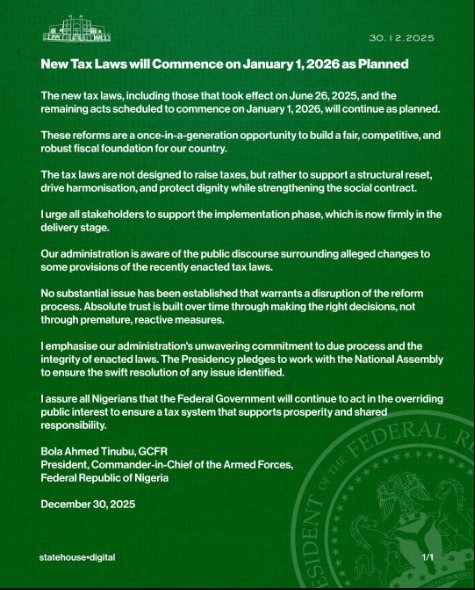
“The new tax laws, including those that took effect on June 26, 2025, and the remaining acts scheduled to commence on January 1, 2026, will continue as planned,” Tinubu stated, leaving little room for interpretation.
The president framed the reforms as a historic opportunity to fundamentally reshape Nigeria’s fiscal architecture, characterizing them as a “once-in-a-generation opportunity” to establish a tax system built on principles of fairness, competitiveness, and sustainability.
Anticipating concerns that the reforms would burden ordinary Nigerians with additional tax obligations, President Tinubu sought to reframe the narrative. He insisted the legislation was not designed to increase the tax burden but rather to restructure the entire system—harmonizing disparate tax regimes, eliminating inefficiencies, and creating a more equitable framework.
“The laws were not designed to raise taxes but to support a structural reset, promote harmonization across the tax system, and protect dignity while strengthening the social contract between the government and citizens,” the president said.
This messaging appears aimed at countering widespread skepticism among Nigerians, many of whom have grown wary of government reform initiatives that often result in increased costs of living. The Tinubu administration has faced criticism throughout 2025 over economic policies that have contributed to inflation and hardship for many citizens.
The president directly addressed calls for suspension of the reforms, dismissing them as premature and unwarranted. He acknowledged that his administration is “aware of the public discourse surrounding alleged changes to some provisions of the recently enacted tax laws,” but maintained that critics have failed to identify substantial problems that would justify halting implementation.
“No substantial issue has been established that warrants a disruption of the reform process,” Tinubu declared. “Absolute trust is built over time through making the right decisions, not through premature, reactive measures.”
This response suggests the presidency views the criticism as insufficient to merit reconsideration and reflects confidence—or perhaps determination—in pressing forward despite opposition.
The president’s uncompromising stance signals that the federal government views policy consistency as paramount to establishing credibility with both domestic and international audiences. For an administration seeking to attract foreign investment and stabilize Nigeria’s fiscal position, reversing course on a flagship reform initiative could be seen as a sign of weakness or policy incoherence.
The tax reforms are intended to create what the government describes as a more transparent and efficient revenue collection system, one that would theoretically reduce opportunities for corruption, broaden the tax base, and ensure that wealthier Nigerians and corporations contribute their fair share.
By characterizing the reforms as supporting “shared responsibility” and underpinning “long-term prosperity,” President Tinubu is attempting to position the changes as serving the national interest rather than narrow political or economic objectives.
However, significant questions persist about the specifics of the legislation and its potential impact on different segments of Nigerian society. Critics have raised concerns about whether adequate safeguards exist to protect low-income earners, whether the reforms might stifle small businesses, and whether the government has the administrative capacity to implement such sweeping changes effectively.
The opacity surrounding “alleged changes to some provisions” mentioned by the president has also fueled speculation and distrust. Without clear public information about what modifications—if any—have been made to the original legislation, stakeholders have found it difficult to assess the true implications of the reforms.
As the January 1 deadline approaches, all eyes will be on how the government manages the rollout and whether it can deliver on promises of a fairer, more efficient tax system—or whether implementation challenges and public resistance will force a recalibration of the ambitious reform agenda.
For now, President Tinubu has drawn a line in the sand: Nigeria’s tax reforms are moving forward, and the administration will not be swayed by criticism or calls for delay. Whether this gamble pays off politically and economically remains to be seen.
WHAT YOU SHOULD KNOW
President Bola Tinubu has categorically refused to delay or suspend Nigeria’s sweeping tax reforms, despite growing public opposition and calls for a pause. The key takeaway: the remaining provisions take effect January 1, 2026—in just two days—and the government insists these changes are about restructuring the tax system for fairness and efficiency, not imposing new burdens on citizens.
The president is betting his administration’s credibility on pushing forward with this “once-in-a-generation” reform, arguing that policy consistency matters more than responding to critics who, he claims, haven’t identified substantial problems. Whether Nigerians experience relief or hardship from these changes will ultimately determine if this calculated gamble succeeds or backfires.