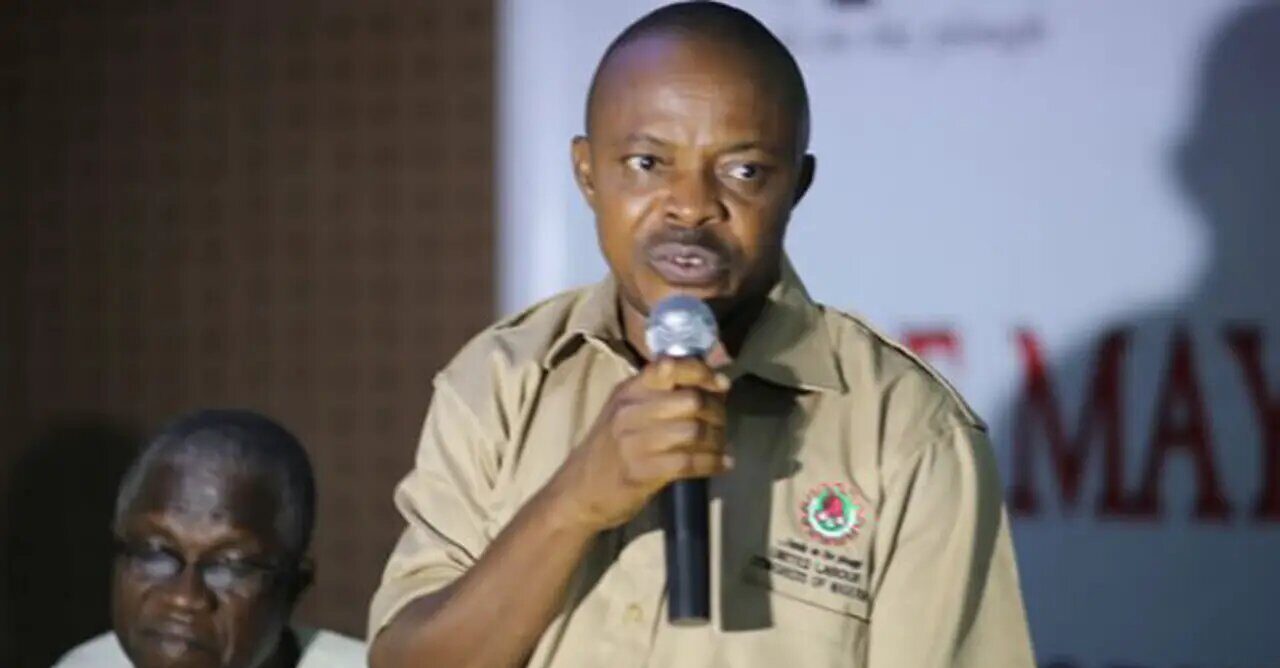
The Nigeria Labour Congress (NLC) has urged Nigerians to reject what it described as distorted or falsified tax laws, stressing that inclusivity and fairness must remain central to the formulation of fiscal policies in the country.
The call was made by the NLC President, Joe Ajaero, in his 2025 Christmas message, where he warned that distortions and alleged forgery surrounding certain tax policies threaten credibility and erode public trust.
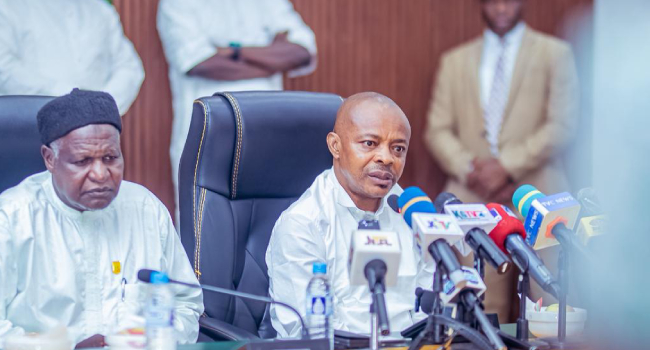
“Together, in this season and beyond, we must insist on Tax Justice where the rich pay their fair share and all forms of regressive taxation are removed,” he said in a statement issued on Wednesday.
“Any tax system that is mired in apparent distortion and outright forgery is unacceptable and should therefore be rejected by all.”
Ajaero emphasised the need for social and tax justice, insisting that every citizen must enjoy access to quality healthcare, education, and security, while the rights and welfare of workers are fully respected.
He argued that meaningful and sustainable reform can only be achieved through patience, openness, and widespread participation, rather than rushed legislation driven by political motives.
“It is better to patiently craft a law that is broadly crafted and owned than rush into one filled with serious errors and outright political manipulations,” he stated.
The NLC President called on Nigerians to remain united in demanding equitable governance and reaffirmed the congress’s commitment to mobilising workers against policies that deepen economic hardship.
His comments followed concerns raised by a member of the House of Representatives, Abdulsamad Dasuki, who recently alleged discrepancies between tax laws passed by the National Assembly and the versions later gazetted and released to the public.
Dasuki maintained that his legislative rights were violated, arguing that the contents of the gazetted tax laws did not reflect what lawmakers debated and approved on the floor of the House.
President Bola Tinubu had signed four major tax reform bills into law on June 26, 2025.
The laws — the Nigeria Tax Act, the Nigeria Tax Administration Act, the Nigeria Revenue Service (Establishment) Act, and the Joint Revenue Board (Establishment) Act — are collectively referred to as the Nigerian Tax Reform Acts.
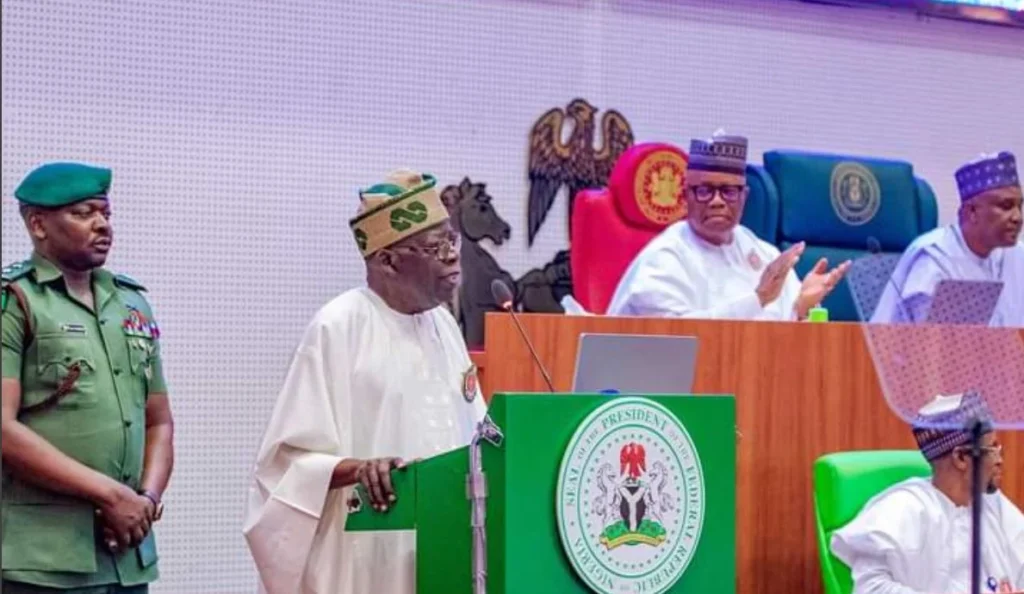
They are aimed at modernising Nigeria’s tax framework, expanding the tax base, and improving efficiency, including the replacement of the Federal Inland Revenue Service with the Nigeria Revenue Service, which now has expanded oversight powers.
However, the reforms have attracted growing opposition amid claims that the versions gazetted by the executive branch differ significantly from those approved by lawmakers.
In response, the House of Representatives has constituted a committee to probe allegations of forgery, while civil society organisations and some state governors have also expressed concerns over possible economic hardship and the implications for revenue sharing.
What you should know
The controversy over Nigeria’s tax reform laws centres on allegations that the versions signed and gazetted differ from those debated and passed by lawmakers, raising constitutional and governance concerns.
The Nigeria Labour Congress has positioned itself as a key voice against what it views as unfair or manipulated fiscal policies, insisting on tax justice that protects workers and the poor.
With the National Assembly launching an investigation and resistance growing from civil society and state governments, the dispute could shape how tax reforms are implemented and whether public confidence in the process can be restored.