Nigeria’s ambitious tax reform agenda faces an unprecedented credibility crisis following explosive allegations that the laws published in the official gazette differ substantially from what the National Assembly actually passed.
With implementation scheduled for January 1, 2026—just days away—lawmakers, opposition groups, and economists are demanding immediate suspension and investigation.
The Discrepancy Emerges
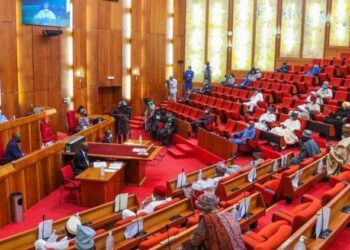
The controversy erupted during plenary proceedings at the House of Representatives when Abdussamad Dasuki, a member representing Sokoto under the Peoples Democratic Party, raised a matter of legislative privilege. After spending three days meticulously comparing the gazetted copies against the Votes and Proceedings and harmonized versions adopted by both chambers, Dasuki discovered what he described as a serious constitutional breach.
“I was here, I gave my vote, and it was counted, and I am seeing something completely different,” the visibly concerned lawmaker told the House, emphasizing that this was not merely procedural but struck at the heart of constitutional governance.
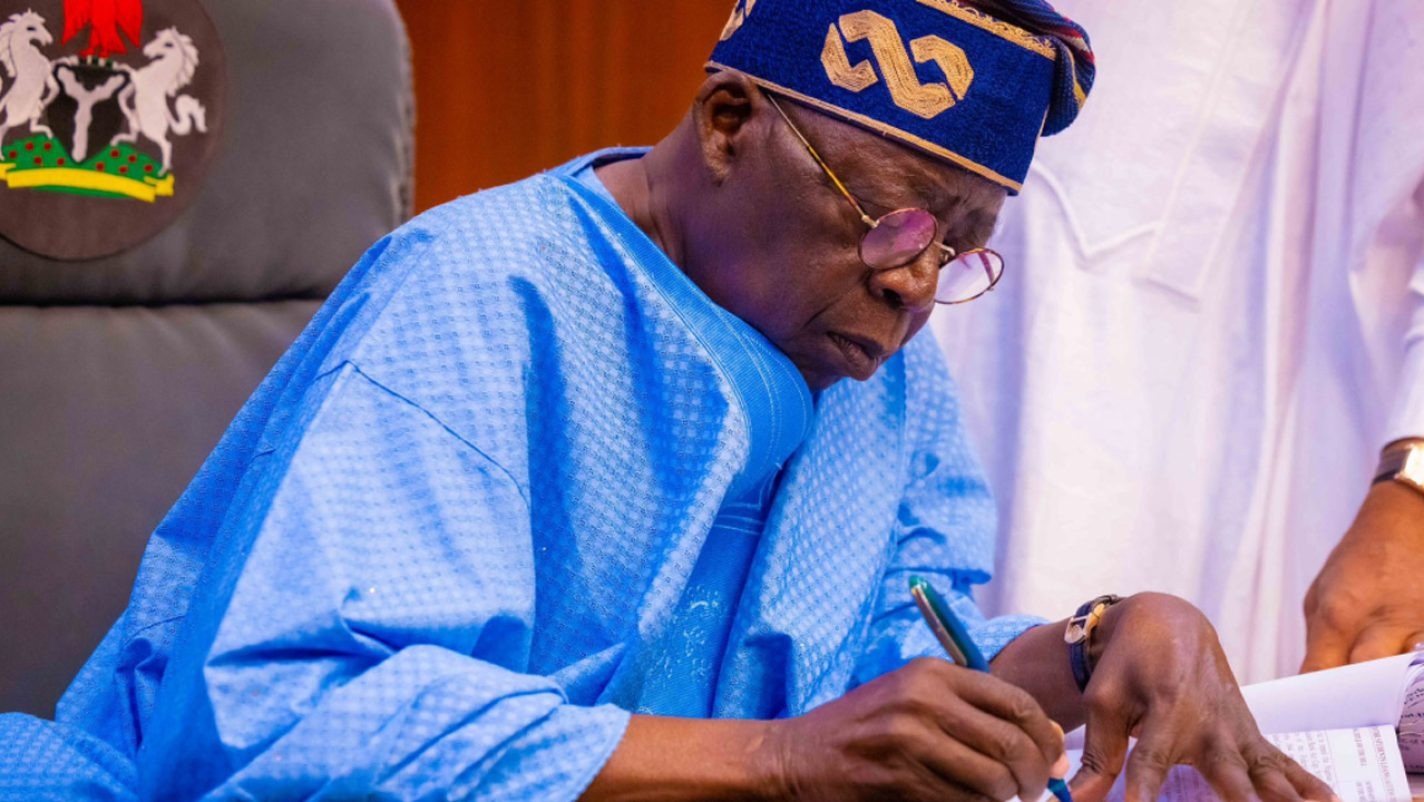
The four Acts comprising Nigeria’s tax reform framework—the National Revenue Service (Establishment) Act, the Joint Revenue Board of Nigeria (Establishment) Act, the Nigeria Tax Administration Act, and the Nigeria Tax Act—were passed by both chambers in March 2025, with Votes and Proceedings produced in May. President Bola Ahmed Tinubu assented in June, and the laws were gazetted on June 26.
What Changed: A Detailed Examination
Review of the documents reveals numerous alterations between the House-passed versions and the gazetted Acts, with the Nigeria Tax Administration Act containing the most consequential changes affecting taxpayers directly.
Expanded Tax Authority Powers
Perhaps most alarming is the introduction of arrest powers in Section 64(1) of the gazetted Act. The version passed by lawmakers authorized tax authorities to investigate violations of tax law. The gazetted version adds significantly broader language: tax authorities can now “arrest any person suspected of committing such violations through a relevant law enforcement agency.”
Section 60(1) grants tax authorities the power to appoint agents “without an order of the High Court”—effectively removing judicial oversight from what critics describe as administrative garnishee powers. Similarly, Section 61 permits the Nigeria Revenue Service to sell movable assets without court approval, bypassing protections lawmakers believed they had included.
Increased Taxpayer Burdens
The reporting requirements underwent a significant transformation. While the House version mandated annual returns with monthly cumulative thresholds of ₦50 million for individuals and ₦250 million for companies, the gazetted Act requires quarterly returns and slashes thresholds to ₦25 million and ₦100 million, respectively—potentially capturing far more businesses.
A new provision, Section 41(8), requires taxpayers appealing Tax Appeal Tribunal decisions to deposit 20 percent of disputed amounts as security before their appeals can proceed to the High Court—a financial barrier that could discourage legitimate challenges to tax assessments.
Diminished Legislative Oversight
The Nigeria Revenue Service (Establishment) Act lost critical accountability mechanisms. Section 25 of the House-passed version required quarterly and annual reports to the National Assembly on activities, performance, and finances. These obligations vanished from the gazetted Act. Section 26, which explicitly empowered the legislature to summon the Executive Chairman or board members for accountability, similarly disappeared.
Altered Funding Provisions
Both the Tax Appeal Tribunal and Office of the Tax Ombudsman were to be funded from the Consolidated Revenue Fund as appropriated by the National Assembly, according to the House version. The gazetted Acts remove mention of the Consolidated Revenue Fund entirely, stating only that funding shall come through National Assembly appropriation—a subtle but potentially significant change in fiscal control.
Who’s Responsible?
The question of accountability remains murky and contested. Each gazetted Act bears certification signed by the Clerk of the National Assembly, Kamoru Ogunlana, dated June 11, 2025, stating he certified each bill was “carefully compared by me with the decision reached by the National Assembly and found by me to be a true and correct decision of the Houses.”
However, when contacted, the Office of the Clerk denied wrongdoing. Deputy Director of Information Shehu Umar Tama stated, “From our records, what was transmitted is the same as what was passed. We are, however, still checking our records.” He suggested that any discrepancies occurred “outside the National Assembly.”
The Federal Inland Revenue Service distanced itself entirely. Special Adviser to the FIRS Chairman, Dare Adekanbi, emphasized: “We don’t make laws. Also, we only implement laws that are made and given to us.”
Constitutional Implications
Legal experts and former lawmakers are treating this as a constitutional crisis, not merely an administrative error. Zakari Mohammed, spokesman of the 7th House of Representatives, outlined the gravity in an open letter to President Tinubu, identifying multiple constitutional violations:
- Breach of Section 4, which vests legislative powers exclusively in the National Assembly
- Violation of Section 58, which limits the President’s role to assent or withholding assent, not alteration
- Collapse of the separation of powers through executive manipulation of legislative texts
- Potential falsification of public records renders the laws constitutionally defective
“The gazetting and attempted enforcement of a law that does not faithfully reflect the resolutions of the National Assembly is not a procedural lapse; it is a constitutional trespass,” Mohammed wrote, warning of potential sanctions under Nigerian law.
Economic and Political Fallout
Economist Dr. Muhammad Sagagi warned that the controversy undermines the entire reform effort, regardless of its merits. “This is not just about economics; it goes to the core of constitutional governance. It is about credibility and trust,” he said. “Once there are questions around a law, it becomes difficult for people to trust the government or accept that it is a genuine reform.”
Sagagi advocated for investigation before implementation: “A law that is delayed but trusted is better than a law that is fast-tracked but contested.”
The National Opposition Movement, comprising figures including former Vice President Atiku Abubakar, former Senate President David Mark, and Peter Obi, seized the moment to demand a complete suspension. Spokesman Chille Igbawua declared the timing “cruel” and the logic “irrational,” arguing Nigerians already face crushing economic hardship from fuel subsidy removal, currency collapse, and soaring inflation.
“What President Tinubu is rolling out in January is not tax reform; it is an assault on the livelihood of ordinary Nigerians,” the opposition group stated, describing the package as “the most punitive and exploitative” in the nation’s history.
International Ramifications
Mohammed’s letter highlighted consequences beyond Nigeria’s borders. International development partners, multilateral institutions, and foreign investors assess countries by institutional credibility and legislative certainty. “A situation in which laws—especially tax laws—can be altered after parliamentary passage and gazetted in compromised form signals institutional unreliability and regulatory risk,” he wrote.
The episode threatens to reinforce perceptions of executive arbitrariness precisely when Nigeria seeks to attract investment and demonstrate reform commitment.
The Path Forward
Speaker Abbas Tajudeen acknowledged Dasuki’s concerns and promised action, though specifics remain unclear. Mohammed’s letter outlined imperative steps:
- Immediate suspension of implementation and enforcement
- Public release of exact harmonized versions as passed by both chambers
- Independent investigation to determine how, when, and by whose authority alterations occurred
- Identification and punishment of responsible officials
- Withdrawal and nullification of compromised instruments where breaches are confirmed
With January 1, 2026, approaching rapidly, the question is whether the government will pause to address legitimacy concerns or proceed with the implementation of contested laws. The answer will likely determine not only the fate of these specific reforms but public confidence in Nigeria’s legislative process itself.
As Sagagi observed, “Your credibility is as good as the revenue you collect. In fact, it is more important to have something credible and lawful than to boast about how much revenue you generate.”
WHAT YOU SHOULD KNOW
Nigeria’s tax reform laws, set to take effect January 1, 2026, are facing a constitutional crisis after lawmakers discovered that the official gazetted versions contain significant unauthorized changes from what Parliament actually passed.
The core problem: The gazetted laws include expanded powers that were never approved, including arrest authority for tax officials, removal of court oversight, lower reporting thresholds for businesses, and elimination of legislative accountability mechanisms. Each change increases government power while reducing taxpayer protections and parliamentary oversight.
Why it matters: Citizens cannot be legally compelled to obey laws that weren’t actually passed by their elected representatives. This strikes at the foundation of constitutional governance and the separation of powers. If laws can be altered after passage, legislative authority becomes meaningless.
Current status: Despite certification by the Clerk of the National Assembly, lawmakers are demanding immediate suspension, an independent investigation, and identification of who authorized the changes. Opposition groups, economists, and legal experts warn that implementing contested laws will destroy public trust and signal institutional unreliability to international investors.
This isn’t just about tax policy—it’s about whether Nigeria’s legislative process has integrity. A law that’s delayed but legitimate is better than one that’s fast-tracked but constitutionally defective. Without resolution, the entire reform collapses before implementation even begins.