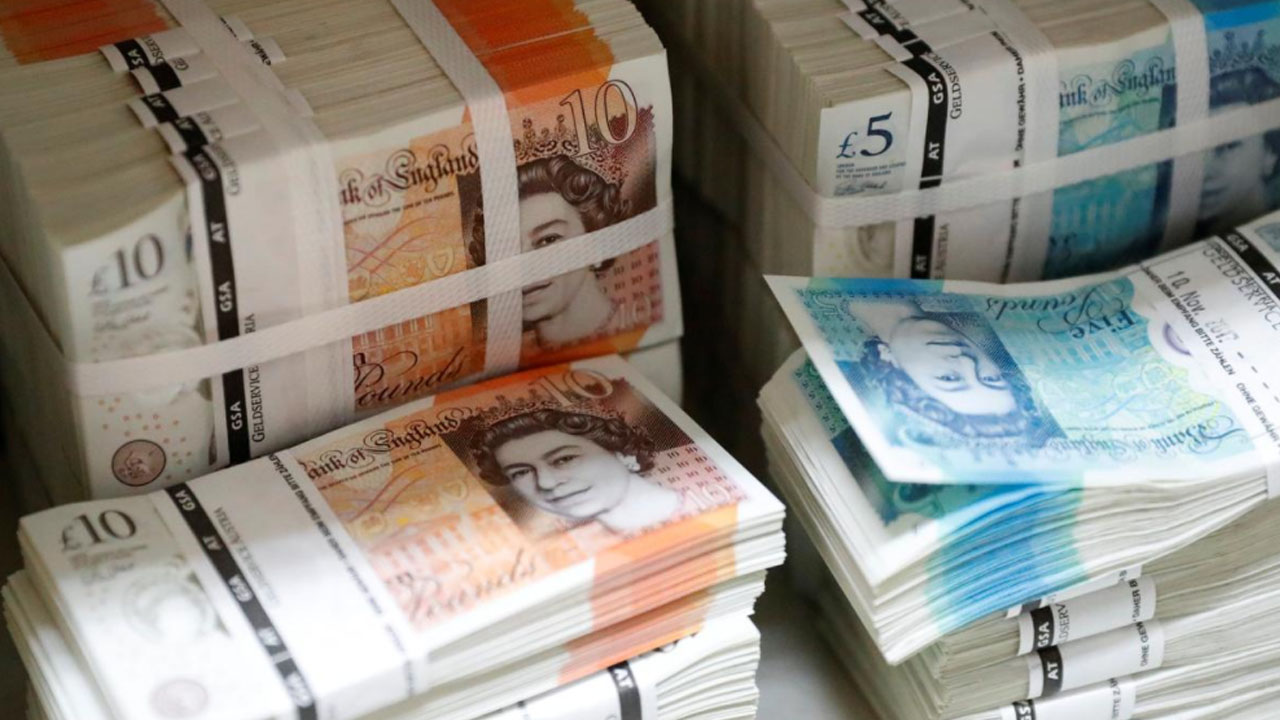
The British pound suffered a sharp sell-off on Wednesday, posting its steepest decline in a month after unexpected inflation data all but guaranteed the Bank of England would cut interest rates at Thursday’s crucial policy meeting.
Sterling plunged 0.6% to $1.3338, retreating from the two-month high it had reached just 24 hours earlier, after official figures showed UK consumer price inflation dropped to 3.2% in November from 3.6% in October—its lowest reading since March. The decline caught economists by surprise and immediately shifted market sentiment.
“This is still far from the 2% target rate; however, it has been enough to cement expectations of a rate cut from the BoE tomorrow,” said Kathleen Brooks, research director at XTB.
Mounting Pressure on the Bank of England
The inflation data adds to a growing body of evidence pointing toward monetary easing. Tuesday’s labor market report had already painted a concerning picture: Britain’s unemployment rate climbed to its highest level since early 2021, while private sector wage growth registered its weakest performance in nearly five years in the run-up to last month’s budget announcement.
Modupe Adegbembo, an economist at Jefferies, said the combination of moderating wage growth, easing price pressures, sluggish economic activity, and the disinflationary impact of recent budget measures has created a compelling case for the Bank of England to act. “The data supports a rate cut,” Adegbembo noted, highlighting how multiple economic indicators are now aligned in favor of looser monetary policy.
Market Repositioning Ahead of Critical Decision
Currency traders moved swiftly to adjust their positions, with investors adding significantly to bets that the BoE will deliver a rate reduction on Thursday. The pound’s sharp reversal underscores how sensitive markets have become to any hints about the central bank’s next move, particularly as Britain grapples with the challenge of bringing inflation down to its 2% target while avoiding economic stagnation.
The timing of the inflation surprise is particularly significant, coming just one day before the BoE’s final policy meeting of the year. While the 3.2% reading remains well above the central bank’s target, the direction of travel and the pace of decline appear to have convinced policymakers and markets alike that conditions warrant action.
Broader Economic Concerns
The weakness in sterling reflects deeper concerns about the British economy’s trajectory. The confluence of rising unemployment, weakening wage growth, and cooling inflation suggests economic momentum is slowing more rapidly than previously anticipated. For the Bank of England, this presents a delicate balancing act: cut rates to support growth without reigniting inflationary pressures.
Thursday’s decision will be closely watched not just for the rate announcement itself, but for any guidance the BoE provides about future policy moves. With inflation still 120 basis points above target and the economy showing clear signs of weakness, the central bank’s communication will be crucial in shaping market expectations for 2025.
For now, sterling’s sharp decline on Wednesday signals that currency markets have made their judgment: a rate cut is coming, and Britain’s monetary policy stance is about to shift decisively.
WHAT YOU SHOULD KNOW
The British pound crashed 0.6% to $1.3338 on Wednesday—its biggest drop in a month—after UK inflation unexpectedly fell to 3.2%, the lowest since March. This surprise decline has virtually locked in a Bank of England rate cut at Thursday’s meeting.
Combined with rising unemployment hitting its highest level since early 2021 and the weakest wage growth in nearly five years, the data paints a clear picture: Britain’s economy is slowing faster than expected, forcing the BoE’s hand despite inflation still sitting well above the 2% target.
For sterling investors, the message is unequivocal—looser monetary policy is coming, and the pound is paying the price.