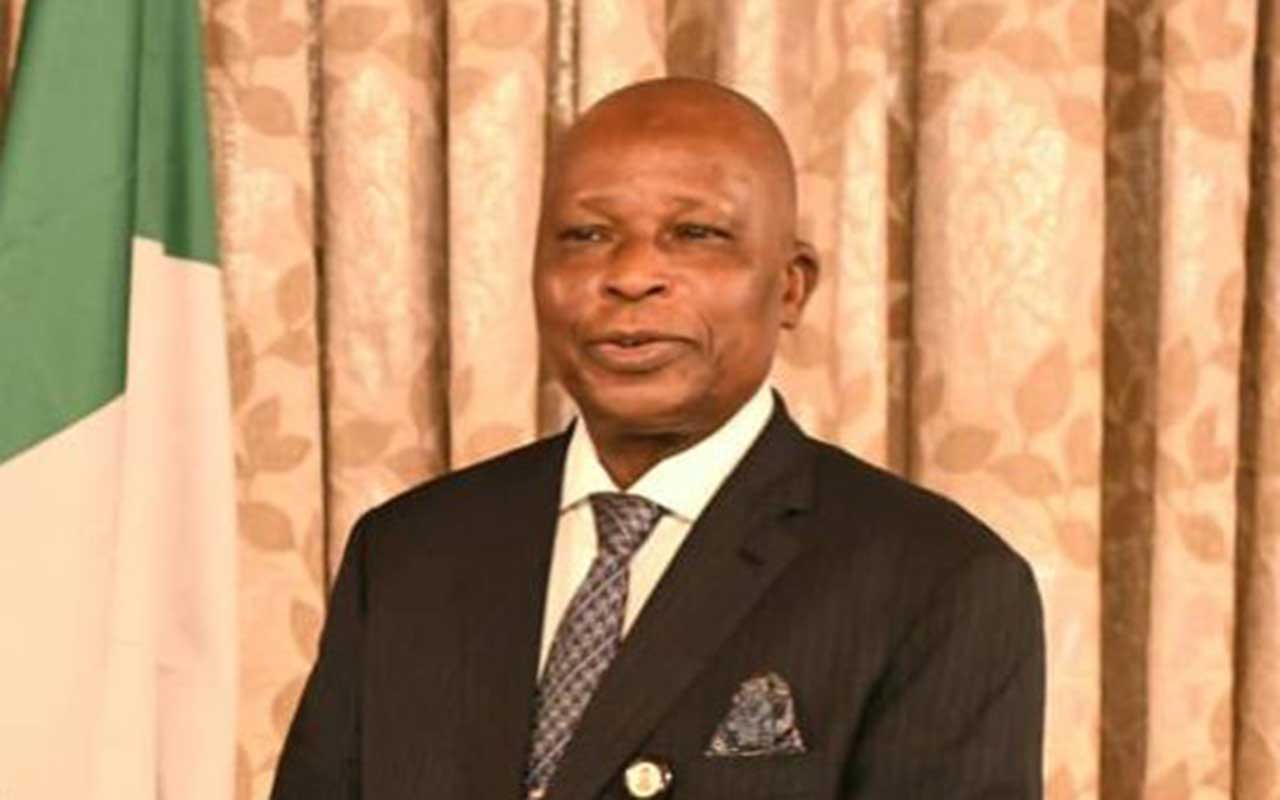
The Attorney-General of the Federation and Minister of Justice, Lateef Fagbemi (SAN), has described the Supreme Court’s decision affirming the President’s authority to declare a state of emergency as a major victory for Nigerians and democratic governance.
Fagbemi stated this in a statement released on Tuesday through the Special Adviser to the President on Communication and Publicity in the Office of the Attorney-General of the Federation, Kamarudeen Ogundele.
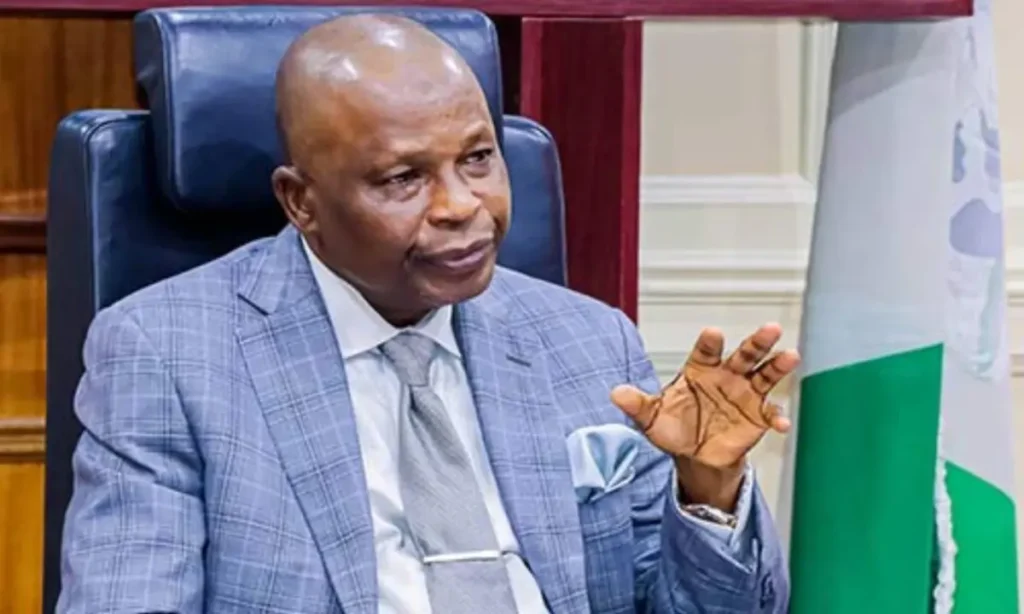
He explained that the judgment had put to rest lingering questions surrounding President Bola Tinubu’s declaration of emergency rule in Rivers State.
“I welcome the judgment of the Supreme Court affirming the power granted the President by the Constitution to declare a state of emergency in any state in Nigeria, whenever the situation arises,” Fagbemi said.
“It is a win for our fledgling democracy and has helped to erase any doubt anyone might have had about the action of the President and the endorsement by the National Assembly.
“Nigeria is for all of us, and I assure Nigerians of President Bola Ahmed Tinubu’s administration’s commitment to uphold the tenets of democracy and the rule of law at all times,” he added.
The Attorney-General noted that the ruling further reinforced Nigeria’s constitutional framework and contributed significantly to strengthening democratic institutions across the country.
Supreme Court’s Ruling

On Monday, the Supreme Court upheld the constitutional power of the President to proclaim a state of emergency in any part of the federation to avert a breakdown of law and order. In a split verdict of six justices against one, the apex court ruled that the President could suspend elected officials during a state of emergency, provided such action is limited in duration.
In the lead majority judgment, Justice Mohammed Idris held that Section 305 of the 1999 Constitution authorises the President to take extraordinary steps to restore stability once emergency rule is declared. Justice Idris explained that the provision does not clearly define the scope of such measures, thereby giving the President discretion in addressing emergency situations.
The case was instituted by Adamawa State alongside 10 other states governed by the Peoples Democratic Party (PDP), challenging the legality of the emergency rule imposed in Rivers State in March 2025. Justice Idris upheld the preliminary objections raised by the Attorney-General of the Federation and the National Assembly, ruling that the plaintiffs failed to establish a cause of action sufficient to invoke the Supreme Court’s original jurisdiction.
Although he struck out the suit on jurisdictional grounds, the justice proceeded to consider its substance and ultimately dismissed it. However, Justice Obande Ogbuinya delivered a dissenting opinion, agreeing that the President has the authority to declare a state of emergency but arguing that such power should not extend to suspending elected officials, including governors, deputy governors and legislators.
Rivers’ Emergency Rule

President Tinubu declared a six-month state of emergency in Rivers State on March 18, 2025, following a prolonged political crisis involving Governor Siminalayi Fubara, his predecessor Nyesom Wike, and the Martin Amaewhule-led Rivers State House of Assembly. In a nationwide broadcast, the President cited Section 305 of the Constitution, saying the worsening situation required firm intervention to prevent disorder.
Governor Fubara, his deputy Ngozi Odu, and all 32 members of the Rivers State House of Assembly were suspended for six months, while Vice Admiral Ibok-ete Ibas (rtd) was appointed as sole administrator of the state. The decision sparked widespread criticism from opposition leaders and some legal experts, leading PDP governors to challenge the declaration at the Supreme Court.
On September 17, 2025, President Tinubu announced the lifting of the emergency rule, and Governor Fubara, his deputy, and the lawmakers officially resumed office the following day.
What you should know
The Supreme Court ruling has clarified the scope of presidential powers under Nigeria’s Constitution, particularly regarding the declaration of a state of emergency.
By affirming the President’s authority to take extraordinary measures, including the temporary suspension of elected officials, the judgment sets a significant legal precedent. Supporters argue it strengthens national stability during crises, while critics fear it could be abused to undermine federalism and democratic autonomy at the state level.
The Rivers State episode has now become a defining case in Nigeria’s constitutional history, shaping how emergency powers may be interpreted and applied in the future.