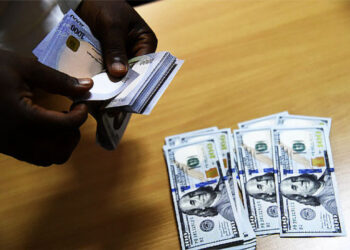
The Central Bank of Nigeria‘s recent approval of 82 new Bureau De Change (BDC) licenses has triggered widespread apprehension among foreign exchange operators and market analysts, who warn that the unprecedented scale of the rollout could destabilize an already fragile currency market.
The licensing wave, part of the apex bank’s broader initiative to reform and liberalize Nigeria’s foreign exchange sector, represents a significant policy shift following years of regulatory turbulence and extensive sanctions against operators. Yet the move has been met with skepticism from industry insiders who question whether the market possesses sufficient capacity to absorb such a large influx of new players.
Operators Fear Market Saturation
In Abuja’s bustling foreign exchange hubs—from Wuse Zone 4 to Garki—the prevailing sentiment among established operators is one of caution bordering on alarm. While some acknowledge that additional market participants could foster innovation and expand legitimate access to foreign currency services, a more dominant concern centers on the risk of market saturation in an environment already constrained by limited dollar supply.
An anonymous Abuja-based BDC operator expressed frustration with the timing of the approvals, noting that existing players continue to grapple with declining transaction volumes, compressed margins, and heightened regulatory scrutiny introduced under recent reforms.
“We’re still adapting to more rigorous reporting requirements and higher capital thresholds,” the operator explained. “Introducing 82 additional BDCs when dollar availability is this constrained simply intensifies competition for the same limited resources.”
The concern extends beyond mere competition. Industry observers fear the influx could trigger aggressive price undercutting among operators desperate to capture market share, potentially reviving the very arbitrage-driven practices that previous regulatory interventions sought to eliminate.
Analysts Warn of Fragmentation Risks
FX analyst Chude Marvelous cautioned that Nigeria’s foreign exchange landscape remains vulnerable, and the rapid onboarding of numerous operators could replicate historical missteps. He pointed to earlier periods when inadequately supervised licensing created opportunities for speculative behavior and fueled exchange rate volatility.
“Approving 82 BDCs simultaneously is substantial,” Marvelous stated. “Without rigorous oversight, we risk unhealthy competition, excessive rate fragmentation, and practices that compromise pricing integrity in the retail foreign exchange market.”
Policy analyst Dr. Nathan Udo advocated for a more measured approach, arguing that the market’s current fragility necessitates gradual expansion rather than wholesale licensing. According to Dr. Udo, the Central Bank should have sequenced these approvals to allow adequate monitoring of liquidity conditions and operator conduct before expanding the participant base.
“Nigeria’s FX market is still recovering from multiple disruptions,” Dr. Udo emphasized. “Large-scale approvals should be staggered, enabling regulators to assess market dynamics before introducing additional players. Otherwise, market distortions may overshadow the intended benefits.”
He stressed that successful reform hinges on strengthening foreign currency supply sources—particularly export revenues, diaspora remittances, and foreign investment inflows—rather than simply increasing the number of market participants.
Compliance Burden Weighs Heavy
Compounding these concerns are the stringent requirements imposed under the CBN’s 2025 reforms. Newly licensed BDCs must meet elevated capitalization thresholds, comply with enhanced anti-money laundering protocols, and submit real-time transaction data—obligations that many operators consider necessary but financially burdensome.
Another Abuja BDC proprietor questioned the sustainability of operations under such conditions: “The requirements are demanding. Not everyone can meet them consistently. The critical question is how many of these 82 newly licensed operators can function sustainably without resorting to shortcuts.”
The Association of Bureau De Change Operators of Nigeria (ABCON) declined to comment, with President Aminu Gwadebe not responding to requests for input as of this report.
Historical Context and Strategic Shift
The current licensing initiative marks a notable reversal from the CBN’s previous stance. In 2023, the central bank revoked licenses for 4,173 BDC operators due to persistent regulatory violations, reducing active operators to approximately 1,517. The sudden approval of 82 new licenses suggests a recalibration of the CBN’s foreign exchange management strategy, potentially repositioning BDCs as regulated partners in enhancing market transparency rather than viewed as problematic intermediaries.
Economist Fatima Danladi, while welcoming the reform intent, urged caution in execution. “Reforms are essential, but implementation must align with Nigeria’s delicate foreign exchange realities,” she noted. “BDCs serve an important function in retail currency access, but licensing numerous operators without improving dollar availability may fail to address fundamental market challenges.”
Path Forward Remains Uncertain
Several operators are now calling on the CBN to provide clear guidelines on access to official foreign exchange windows, arguing that without consistent supply channels, many newly approved BDCs risk becoming dormant or engaging in practices that undermine market stability.
Market experts maintain that a phased implementation strategy would allow the central bank to monitor how new entrants influence liquidity and pricing dynamics before authorizing additional licenses. They argue that controlled sector expansion is essential to avoid repeating past experiences with market oversaturation, regulatory breaches, and speculative pressure on the naira.
As Nigeria’s foreign exchange market continues its recovery from previous shocks, the success of this licensing initiative will likely depend not merely on the number of authorized operators, but on the CBN’s ability to simultaneously bolster dollar supply and maintain rigorous supervisory oversight—a dual challenge that will test the apex bank’s regulatory capacity in the months ahead.
WHAT YOU SHOULD KNOW
The Central Bank of Nigeria’s approval of 82 new Bureau De Change licenses has sparked serious concerns about market instability. While intended to increase competition and transparency, industry experts warn the move is poorly timed: Nigeria’s foreign exchange market lacks sufficient dollar supply to support this many new operators.
The result could be aggressive price competition, market fragmentation, and a return to the problematic practices previous reforms sought to eliminate.
Critics argue the CBN should have taken a gradual, phased approach—first strengthening dollar inflows through exports, remittances, and investment before flooding the market with new players.
Without adequate supply and rigorous oversight, these 82 new licenses may create more problems than they solve, potentially destabilizing a market still recovering from past regulatory shocks.
More operators without more dollars equals heightened instability, not improved market function.