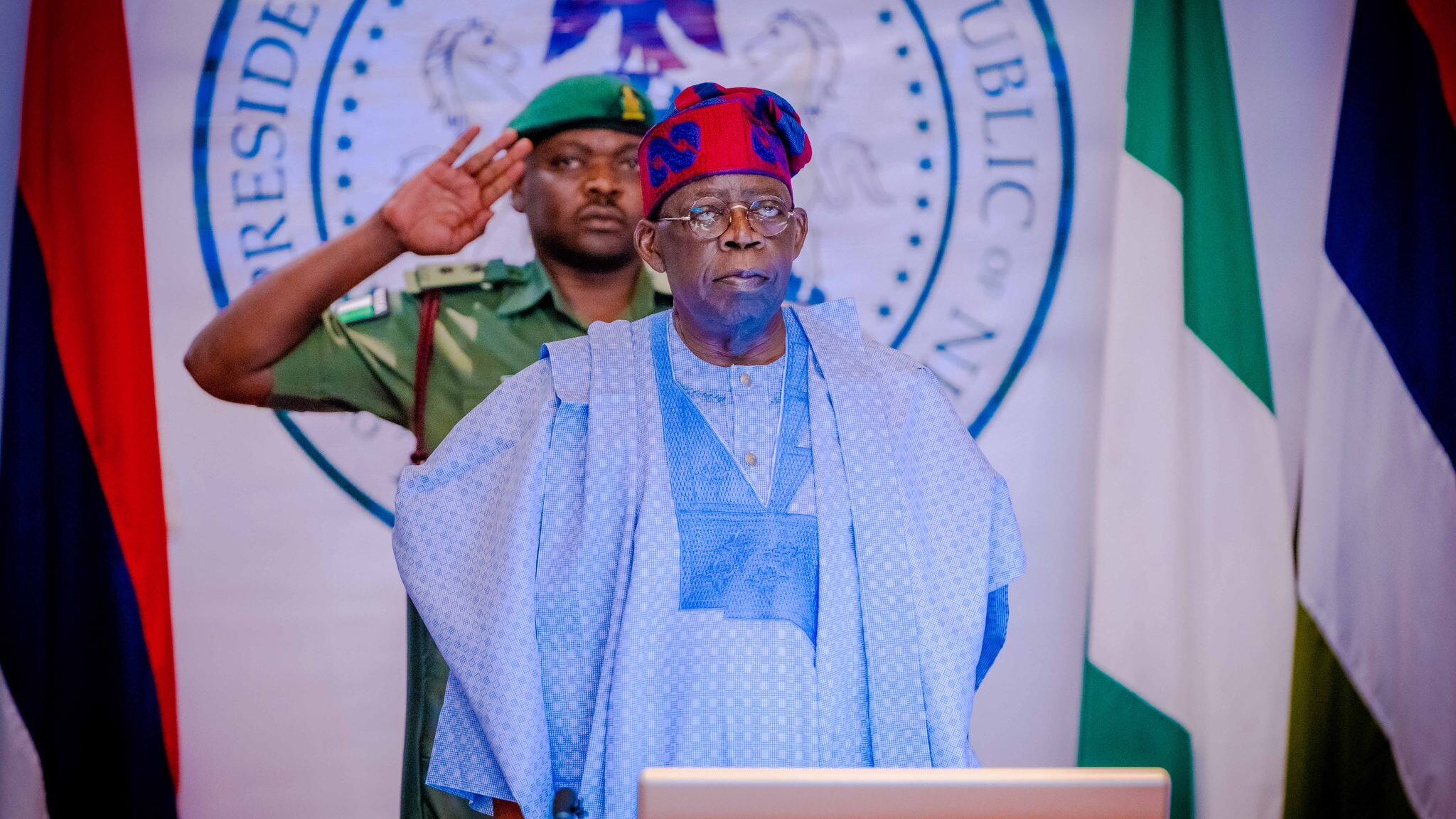
President Bola Ahmed Tinubu has restated his directive for police officers assigned to prominent individuals to be withdrawn and redeployed to regions struggling with insecurity, reinforcing that the decision must be fully carried out.
Speaking during Wednesday’s Federal Executive Council Meeting, Tinubu emphasized that only those with security-related assignments should reach out to the Inspector-General of Police for approval. “I honestly believe in what I said… please contact the IGP and get my clearance,” he noted.
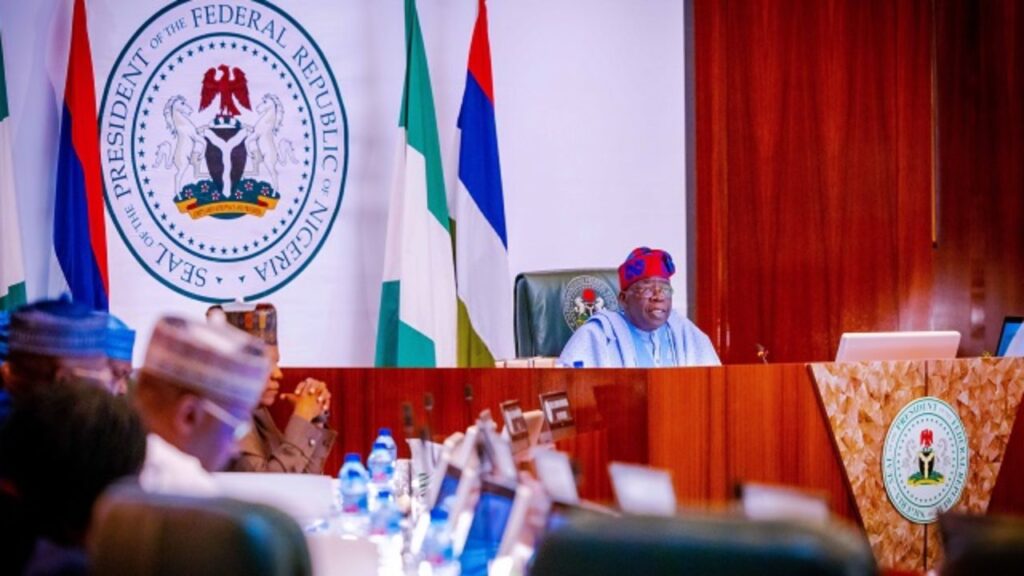
He instructed the Minister for Interior, Olubunmi Tunji-Ojo, to collaborate with the Inspector General of Police and the Nigeria Security and Civil Defence Corps (NSCDC) to ensure that affected police officers are replaced with NSCDC personnel so no one is left vulnerable. He also directed the NSA and DSS to work together as a committee to review the overall security structure.
Tinubu stressed that Nigeria cannot afford to leave troubled regions without adequate security manpower, especially with ongoing threats of kidnapping and terrorism. While acknowledging that some individuals require special protection, he maintained that “civil defence [personnel] are equally armed,” making the transition feasible.
The President had on November 24, ordered the withdrawal of police officers from VIP protection roles to boost policing efficiency. According to a statement issued by his Special Adviser on Information and Strategy, Bayo Onanuga, affected officers would now focus on core policing duties. Three days later, the IGP, Kayode Egbetokun, confirmed that 11,566 police personnel had been withdrawn and redirected to underserved communities.
Reactions to the directive have been mixed. Some welcomed the policy, while others questioned how fairly it was being implemented. Senator Ali Ndume argued that the reform should also apply to the National Assembly, lamenting the number of officers assigned to lawmakers’ families. He described it as inappropriate that some ministers and legislators have police escorts attached to their wives and children.
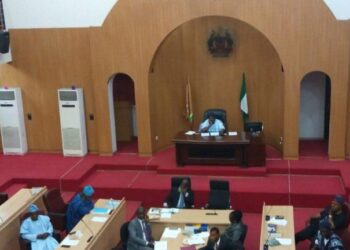
Amid rising complaints, the Senate on Wednesday tasked its Committee on Police Affairs with probing allegations that the directive is being enforced unevenly. This followed a point of order raised by Senator Abdul Ningi, who expressed anger that his only police orderly had been withdrawn while ministers, business executives, political families, and celebrities still enjoyed full protection. He warned that such selective enforcement could put lawmakers at risk and distort the President’s broader security strategy.
Nobel Laureate Wole Soyinka also criticized the heavy security entourage seen around Seyi Tinubu, describing it as excessive. At an event in Lagos, he recounted seeing “nearly a whole battalion” of heavily armed personnel accompanying the President’s son.
Security experts have also raised concerns. Retired AIG Abutu Yaro urged caution, warning that a poorly handled withdrawal could lead to unintended consequences. Former DSS Director Mike Ejiofor expressed reservations about transferring VIP protection to the NSCDC, saying the corps lacks the needed manpower, training, and statutory mandate. He stressed that “The NSCDC does not have the capacity… it is a very dicey situation.”
Despite the debate, Tinubu insists the reforms are essential to strengthen national security and refocus police resources where they are most needed.
What You Should Know
President Tinubu’s directive to recall police officers from VIP protection is part of a broader effort to reinforce security in vulnerable communities and improve policing efficiency.
While more than 11,000 officers have already been redeployed, the policy has sparked concerns about fairness, capacity, and potential risks to public officials. Lawmakers, security experts, and public figures have warned of uneven implementation, with some VIPs still enjoying full police protection.
The administration, however, maintains that the reform is necessary to address rising insecurity and ensure better allocation of security personnel across the country.