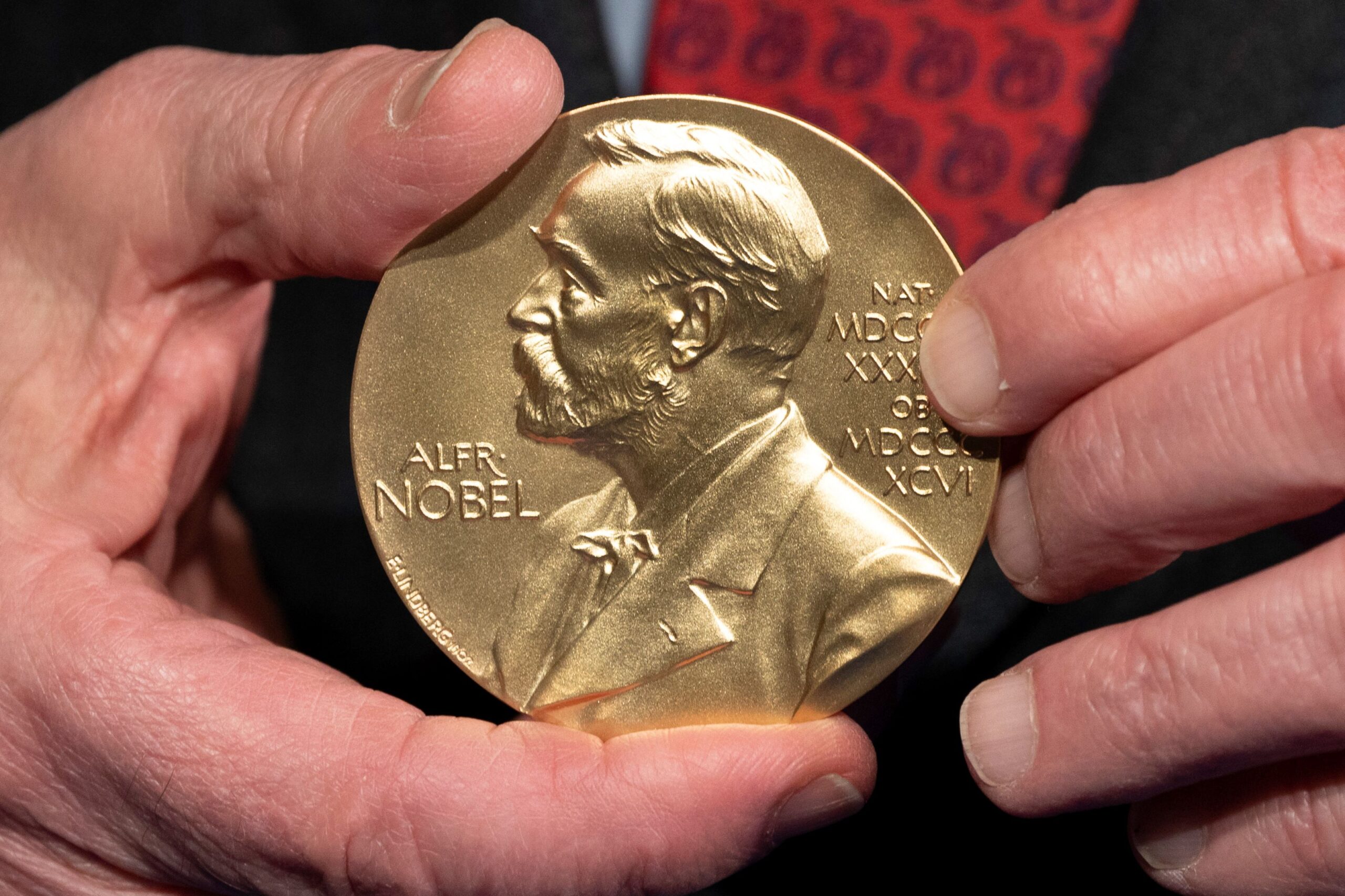
In an unprecedented turn of events, the Norwegian Nobel Institute abruptly cancelled a scheduled press conference on Tuesday with this year’s Peace Prize recipient, Venezuelan opposition leader Maria Corina Machado, casting doubt over whether she will appear at Wednesday’s award ceremony — just hours before the historic event is set to begin.
The 58-year-old politician and activist has been living in hiding for more than a year while subject to a decade-long travel ban imposed by the government of President Nicolas Maduro. Institute officials say they have no concrete information about her current location or whether she will successfully reach Oslo in time for the 1 p.m. ceremony at City Hall.
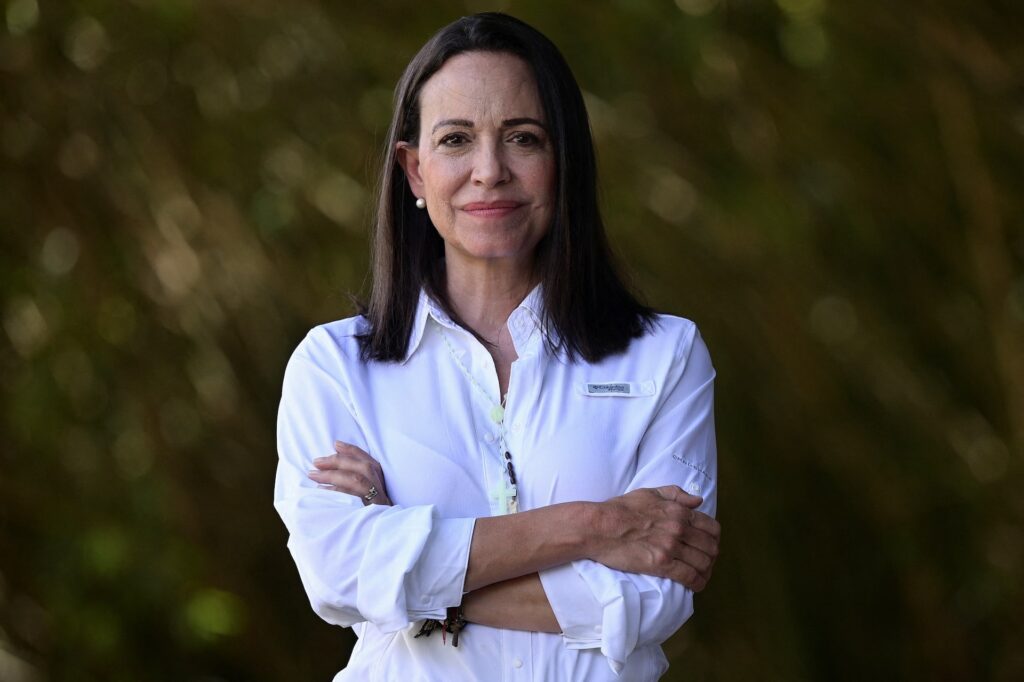
“I know that she wants to come and that she is en route but that’s all I know,” Kristian Berg Harpviken, the institute’s director and permanent secretary to the Nobel Committee, told reporters. The frank admission underscores the extraordinary circumstances surrounding this year’s award, which has placed the Norwegian institution in uncharted territory.
The press conference, originally scheduled for noon Tuesday, was first postponed to an unspecified time before being cancelled altogether. In a statement, the institute acknowledged the difficulty of Machado’s journey, noting that “the laureate has herself stated in interviews how challenging the journey to Oslo, Norway will be.”
Despite the uncertainty, Harpviken pledged that the ceremony would proceed with dignity regardless of Machado’s attendance. “We will make sure that it’s a worthy ceremony that recognises this year’s laureate, casting a spotlight on the situation in Venezuela and the importance democracy has for peace,” he told public broadcaster NRK.
The award ceremony is expected to draw significant international attention, with Norway’s King Harald and Queen Sonja scheduled to attend alongside at least four Latin American heads of state, including Argentina’s right-wing President Javier Milei and Ecuador’s Daniel Noboa. Their presence signals the geopolitical weight of the Nobel Committee’s decision to honor Machado.
The Norwegian Nobel Committee selected Machado for what it characterized as her courageous fight against dictatorship in Venezuela. Her selection has proven controversial in some circles, particularly given her alignment with hardline figures close to U.S. President Donald Trump who have argued that Maduro maintains connections to criminal organizations threatening American national security — claims that members of the U.S. intelligence community have publicly questioned.
The drama surrounding Machado’s potential absence raises questions about whether this will mark the first time in the prize’s 124-year history that a living laureate has been unable to accept the award in person due to political persecution. The situation has drawn inevitable comparisons to previous laureates who faced similar obstacles, though few cases have involved such uncertainty so close to the ceremony itself.
As the clock ticks toward Wednesday afternoon, Nobel officials, diplomats, and international observers wait anxiously to see whether Machado will emerge from the shadows to claim her prize on the world stage — or whether the empty chair will serve as an even more powerful symbol of Venezuela’s political crisis.
WHAT YOU SHOULD KNOW
Venezuelan opposition leader Maria Corina Machado, this year’s Nobel Peace Prize laureate, may not appear at Wednesday’s award ceremony in Oslo. Living in hiding for over a year under a government travel ban, her whereabouts remain unknown even to Nobel officials just hours before the event.
Whether she arrives or not, the ceremony will proceed before royalty and Latin American heads of state—with an empty chair potentially becoming the most powerful symbol of Venezuela’s authoritarian crisis.
This unprecedented situation underscores the dangerous reality facing those who challenge dictatorships, even as the world seeks to honor their courage.