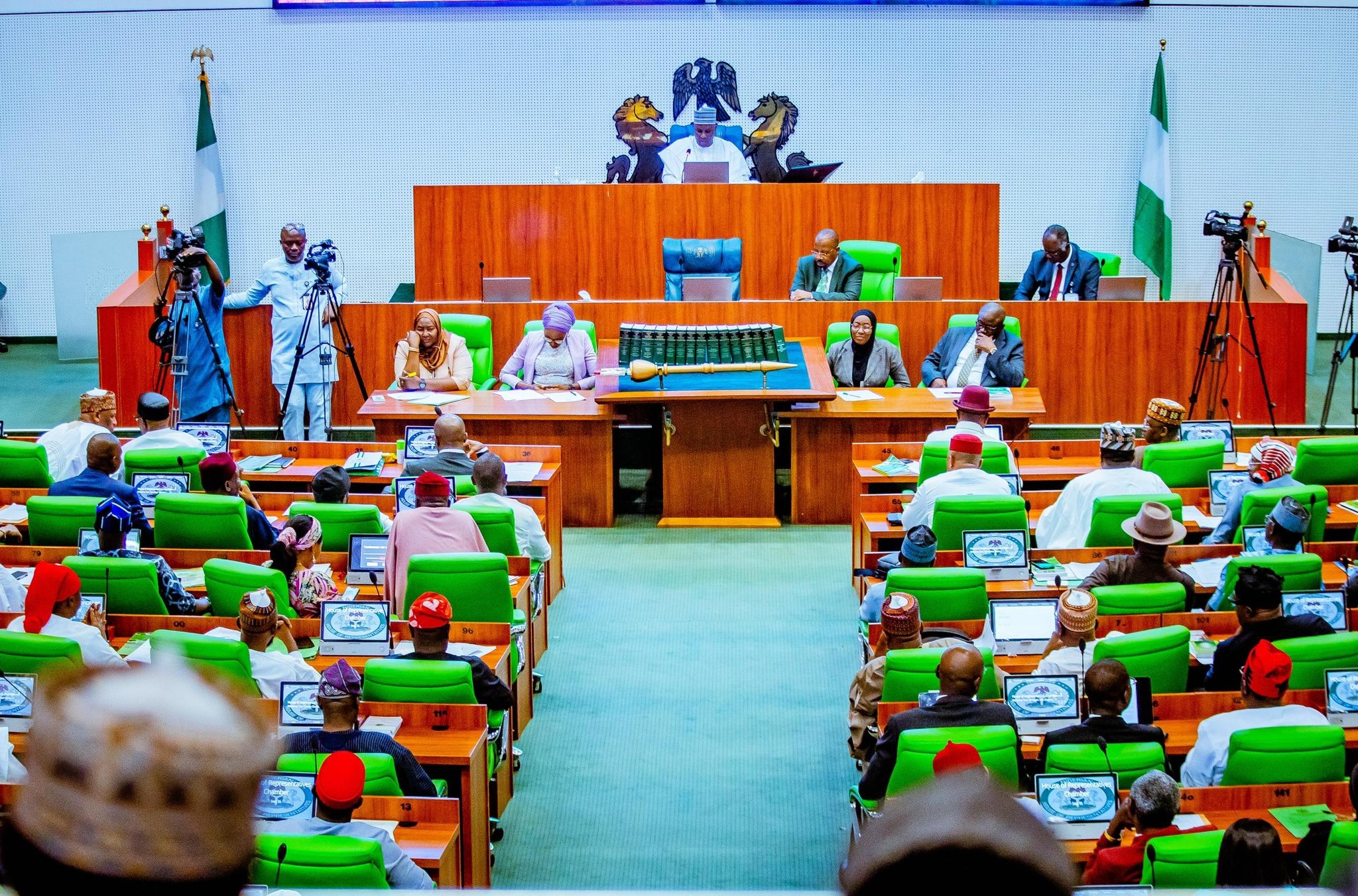
On Tuesday, lawmakers in Nigeria’s House of Representatives dismissed the Executive Chairman of the Federal Inland Revenue Service (FIRS), Zacch Adedeji, during a private session, signaling rising tensions over stalled government projects.
A source present at the closed-door meeting told Channels Television that Adedeji was asked to leave after members accused him of displaying arrogance in his responses to questions.
The session focused primarily on delays in releasing funds for zonal intervention projects, which have left contractors unpaid for weeks. Lawmakers have repeatedly raised concerns over the impact of stalled disbursements on ongoing development initiatives.
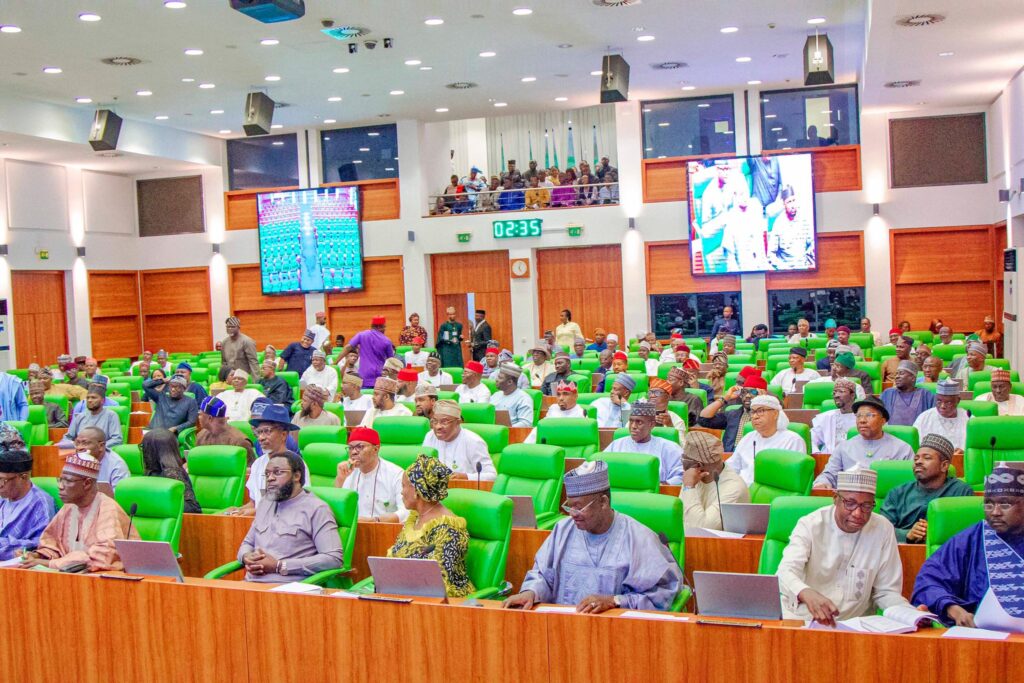
During the session, Finance Minister Wale Edun reportedly assured members that the 2024 budget would be fully funded within the next 48 hours. He also indicated that the 2025 budget would see an extension to April, with immediate release of 30 percent of funds and an additional 20 percent before the end of December.
House members emphasized that these commitments must be honored before any further budgetary approvals or processes are undertaken. The lawmaker further stated that the 2026 budget would not be presented to the House until all outstanding financial and procedural issues are fully addressed in accordance with the Minister’s assurances.
The incident underscores growing frustration among legislators regarding financial management and the execution of federal projects, highlighting the importance of accountability and timely budgetary releases to ensure the smooth continuation of national programs.
What you should know
Lawmakers in Nigeria’s House of Representatives walked out the FIRS Executive Chairman, Zacch Adedeji, over allegations of arrogance during a discussion on delayed funding for zonal intervention projects.
Finance Minister Wale Edun informed the House that the 2024 budget must be fully funded within 48 hours, and that 30 percent of the 2025 budget will be released immediately with another 20 percent before December ends.
The House emphasized that no further budgetary processes, including the 2026 budget, would proceed until all outstanding financial commitments are fulfilled.