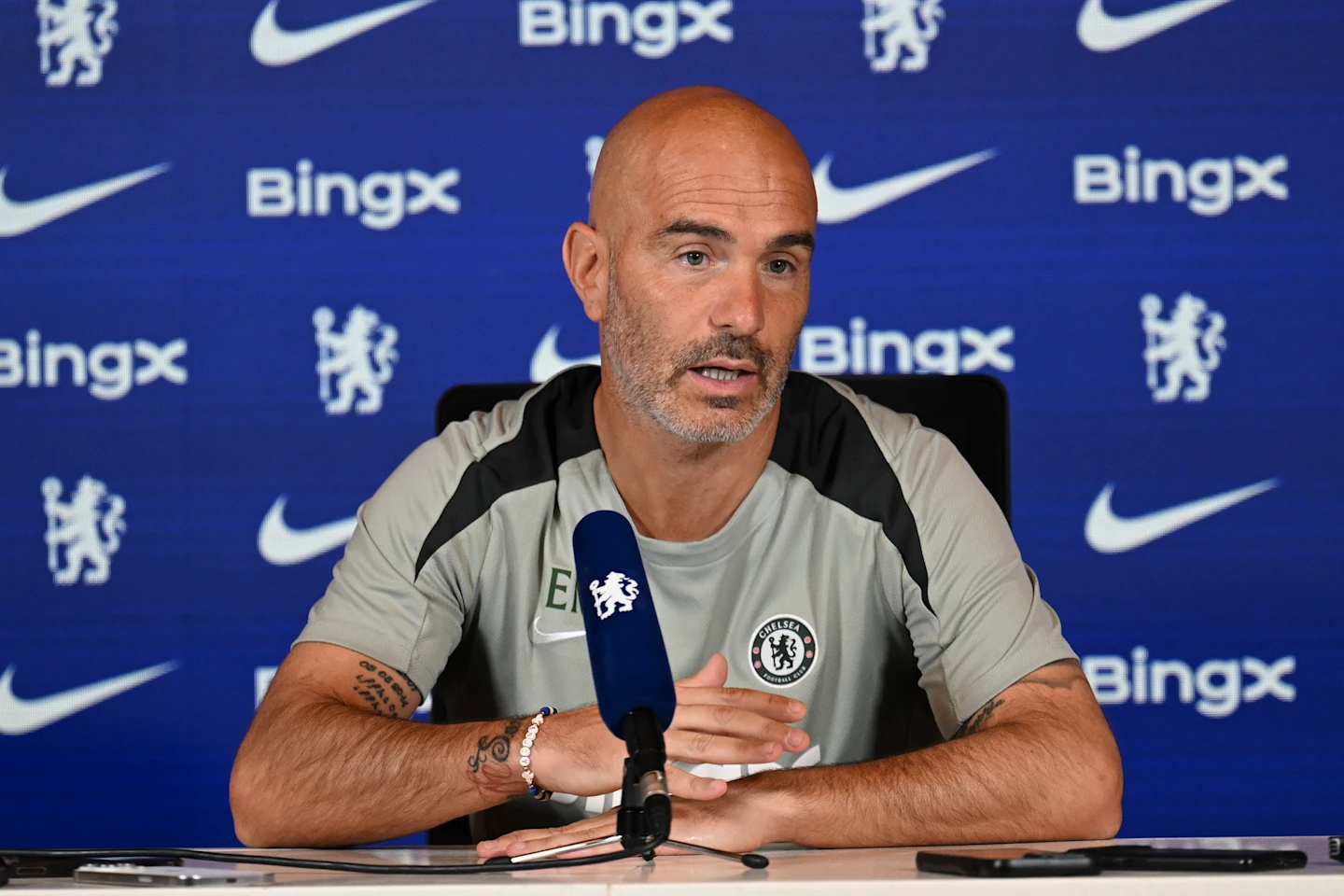
Chelsea manager Enzo Maresca defended his squad rotation on Friday, maintaining that he had little choice in the decisions that preceded the team’s disappointing 3-1 loss to Leeds United in midweek.
The defeat at Elland Road on Wednesday kept the Blues in fourth place, nine points behind Premier League leaders Arsenal, and renewed scrutiny of Maresca’s approach to team selection.
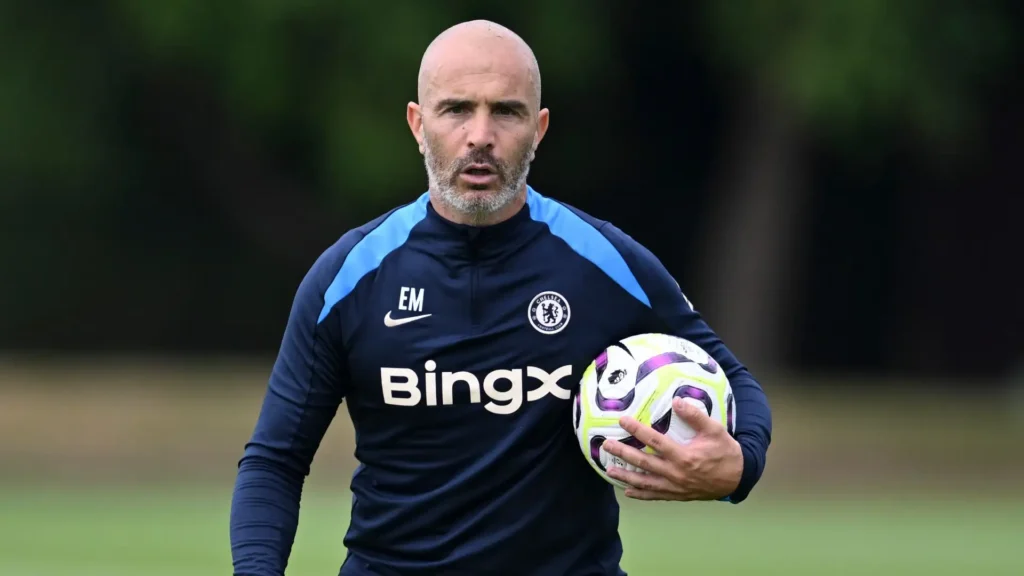
Maresca did not sugarcoat Chelsea’s performance. “We did many bad things,” he admitted, pointing out that the fatigue from playing with 10 men for an hour against Arsenal on Sunday may have played a role. “Probably we also paid the bill for playing one hour with 10 players against Arsenal.”
The Italian, who has faced criticism in the past for his rotation strategy, made five changes for the trip to Leeds. Wesley Fofana was left out entirely, Moises Caicedo was suspended, and Malo Gusto, Reece James and Pedro Neto began on the bench. But Maresca insisted that the reshuffling was driven by necessity rather than choice.
“Most of the rotation we do is because the other one cannot play,” he said. According to him, several players are currently unable to feature every three days. “And the reason why we have done most of the rotation in the past is for this reason.”
He argued that reactions often depend on results. “It’s always the same thing when you pick 11 players and you win it’s fine. When you pick 11 players and you don’t win, it’s always the reason why.”

With Chelsea set to face Bournemouth on Saturday, Maresca was questioned about whether his young team needed more seasoned players. But he dismissed the narrative as selective. “We always talk about experience when we drop points but when we beat Barcelona and drew against Arsenal, no one was mentioning about experienced players,” he said.
Although he acknowledged the disappointment of the Leeds match, he remained firm in his assessment. “I know that we are always looking for experience but it was a bad game (at Leeds) for all of us.”
What You Should Know
Enzo Maresca’s defence of his rotation policy underscores the physical strain on Chelsea’s squad and the tactical constraints he faces as matches come quickly.
While critics link rotation to inconsistent results, Maresca maintains that many changes are forced due to player availability and fitness limits. His comments also highlight a recurring debate surrounding Chelsea’s youthful squad, particularly the balance between fresh talent and the experience needed for Premier League stability.
The Leeds defeat may have intensified scrutiny, but Maresca insists the issues were collective rather than caused by rotation alone.