The Central Bank of Nigeria (CBN) has introduced updated cash withdrawal regulations set to take effect in January 2026.
The revised framework ends the previous special approval that allowed individuals to withdraw ₦5 million and corporates ₦10 million once every month.
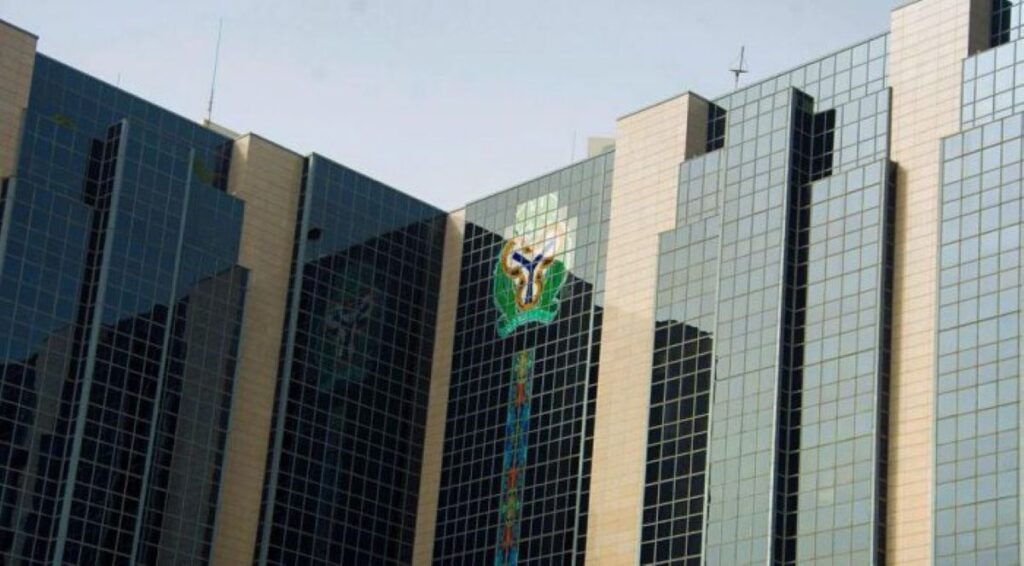
The apex bank noted that earlier cash-related directives were crafted in response to shifting economic conditions.
Over time, however, the need emerged to harmonize these measures to match current realities.
In a circular dated Tuesday, December 2, 2025, and signed by the Director of the Financial Policy & Regulation Department, Dr. Rita I. Sike, the CBN explained that the new policy aims to minimize the cost of cash handling, improve security, and reduce money-laundering risks linked to Nigeria’s dependence on physical cash.
“These policies, issued over the years in response to evolving circumstances in cash management, sought to reduce cash usage and encourage accelerated adoption of other payment options, particularly electronic payment channels. With the effluxion of time, the need has arisen to streamline the provisions of these policies to reflect present-day realities,” the CBN stated.
Beginning January 1, 2026, individuals may withdraw up to ₦500,000 weekly across all channels, while corporate bodies will be restricted to ₦5 million.
Any withdrawals beyond these limits will attract excess charges of three percent for individuals and five percent for corporates, shared between the CBN and financial institutions.
Daily ATM withdrawals will now be limited to ₦100,000 per customer, with a weekly ceiling of ₦500,000. These withdrawals will count toward the overall weekly limit.
The CBN also announced that ATMs may now dispense all currency denominations, while the over-the-counter withdrawal limit for third-party cheques remains pegged at ₦100,000—also part of the weekly total.
Banks must send monthly reports of withdrawals above the approved limits, as well as cash deposit records, to the relevant supervisory units.
They are also required to maintain designated accounts for processing fees collected from excess withdrawals.
Accounts belonging to federal, state, and local government revenue bodies—as well as microfinance and primary mortgage banks—are exempt from the new limits and excess fees.
However, exemptions previously extended to embassies, diplomatic missions, and donor agencies have been revoked.
The CBN added that the circular does not invalidate some earlier directives but replaces others, as highlighted in its appendices.
What You Should Know
The CBN’s updated cash withdrawal policy aims to push Nigeria further toward digital payments while reducing the risks and expenses tied to heavy cash usage.
Individuals will now operate under a ₦500,000 weekly withdrawal limit, whereas corporates have a ₦5 million ceiling. Higher withdrawals attract additional fees, and ATM withdrawals are now strictly capped. The policy also requires banks to report high-value cash movements and maintain dedicated accounts for excess withdrawal charges.
Government revenue accounts are exempt, but foreign missions and donor agencies no longer enjoy previous waivers. The new framework ultimately seeks tighter security and improved financial transparency.