Summary
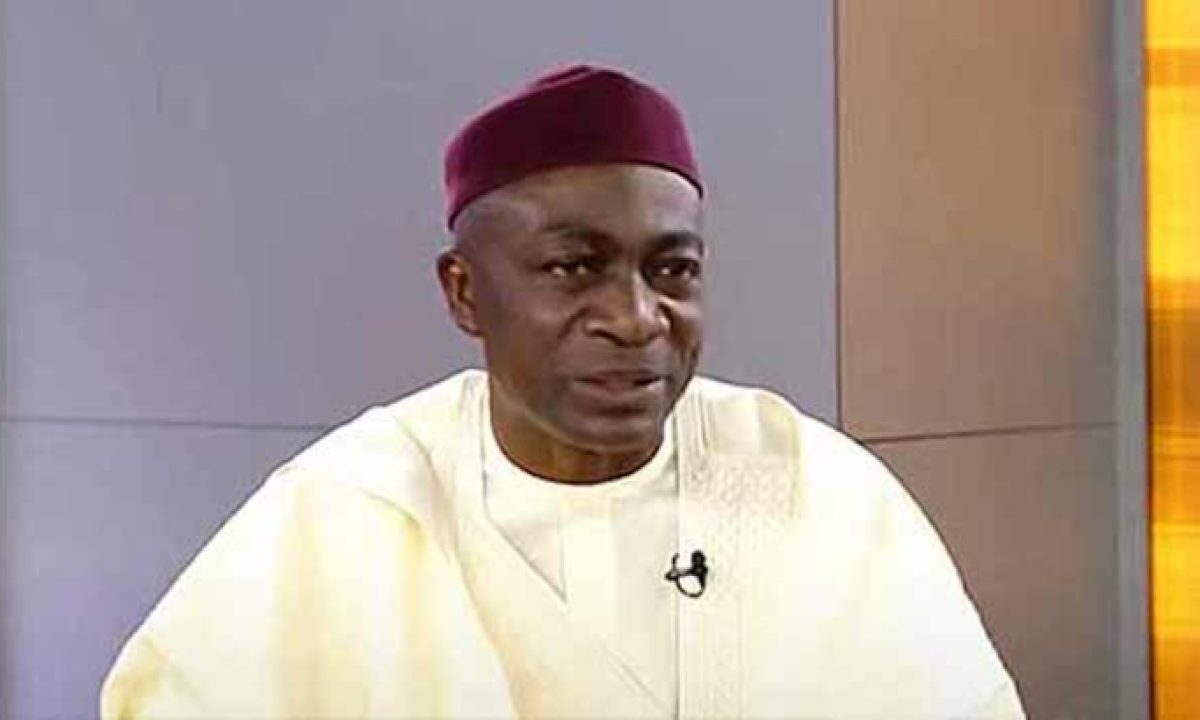
The spokesperson for the Senate, Yemi Adaramodu, has rejected allegations that the Federal Government paid ransom to secure the release of schoolchildren recently abducted in Kebbi and Niger states.
He clarified the position during an appearance on Channels Television’s Morning Brief on Friday, following growing concerns among Nigerians about the nature of recent rescue missions.
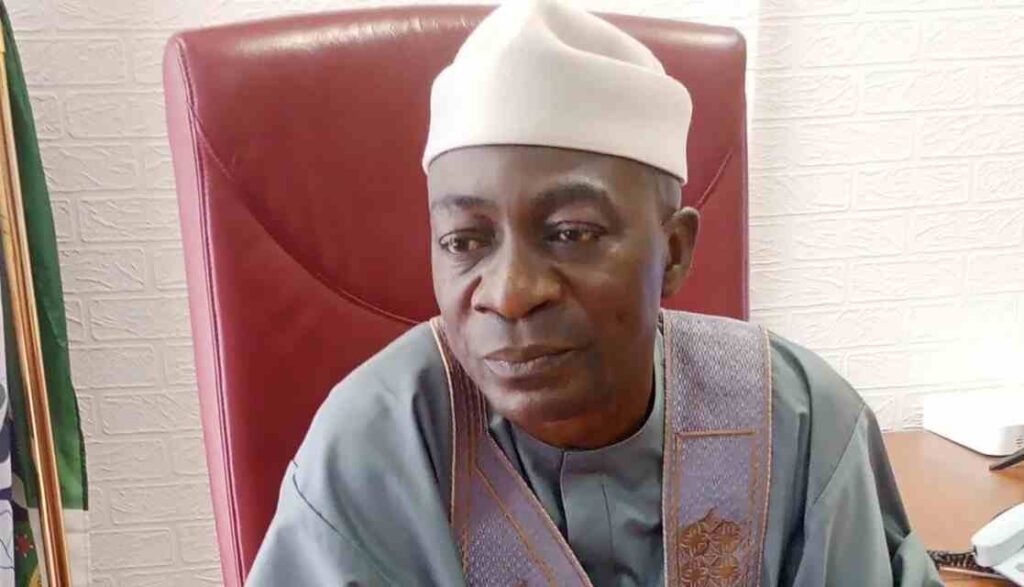
Adaramodu, who represents the Ekiti South senatorial district, maintained that the government did not make any financial settlement to the abductors. His remarks came despite earlier confirmation by Bayo Onanuga, Special Adviser on Information and Strategy to President Bola Tinubu, that security operatives had contacted bandits during efforts to free kidnap victims in Kwara State.
According to Adaramodu, communication with kidnappers may take different forms, but security agencies are under no obligation to make operational details public. “From our side at the National Assembly, we believe the Federal Government did not pay any ransom to anybody. If there is any contact with the bandits, there are various types—it can be forceful, persuasive or a mix of both,” he said.
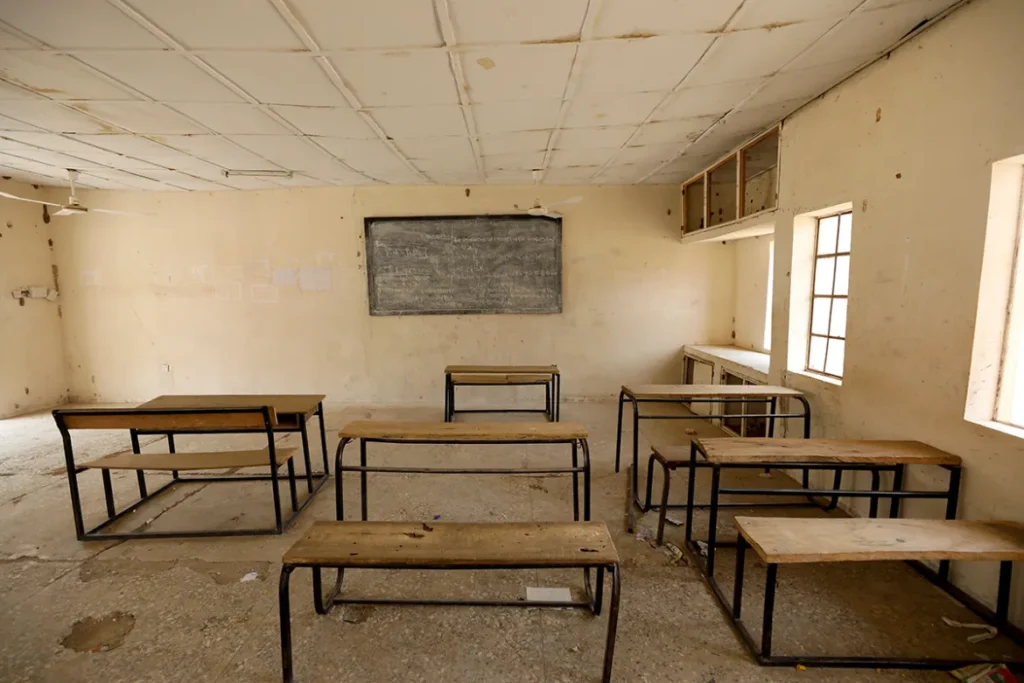
His comments come at a time when the country is witnessing a resurgence of school kidnappings, generating increased scrutiny over the government’s counter-kidnapping approach. Human rights groups and local stakeholders have long argued that limited transparency fuels public suspicion, especially when victims are rescued without evidence of confrontation or arrests.
Responding to public concerns about the absence of images or reports of captured gunmen during recent rescues, Adaramodu urged Nigerians not to assume that security forces did not confront the abductors. He explained that kidnappers often flee when they sense advancing security forces.
“If you have not seen the corpses of abductors or them being handcuffed, that does not negate the possibility of intense confrontation,” he said. “When they sense superior firepower, they run and leave the victims behind,” he added.
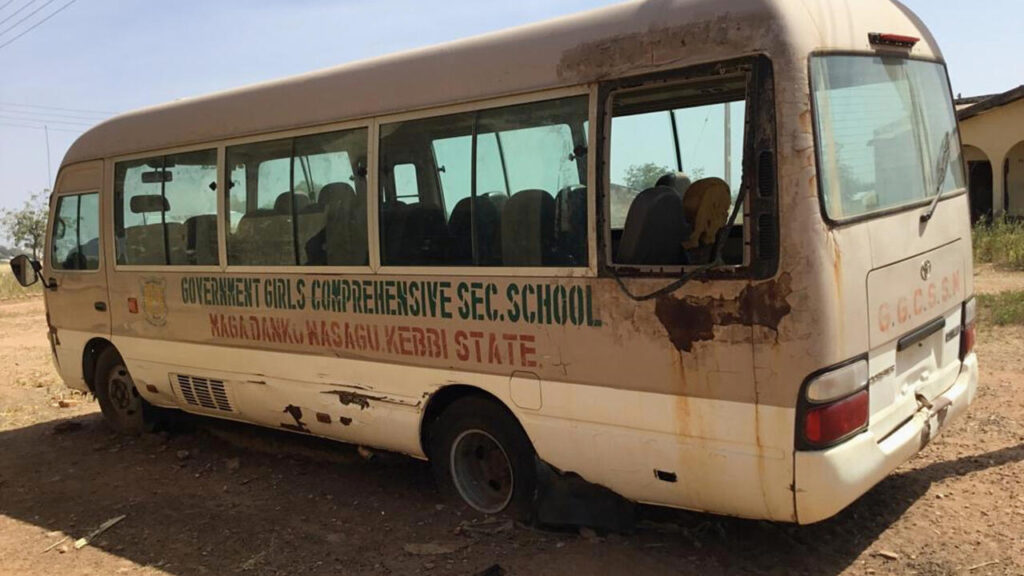
Adaramodu also confirmed that the Senate has established an ad-hoc committee to investigate the circumstances surrounding the Kebbi school abduction. Early briefings from state officials and security agencies indicate that soldiers assigned to secure the school reportedly abandoned their duty post shortly before the attackers struck.
The death of Brigadier General Musa Uba , who had been involved in anti-banditry operations , has further intensified scrutiny of military efficiency. Adaramodu noted that the committee will also assess the events that led to the senior officer’s death.
He emphasized that while the National Assembly will continue demanding accountability, security agencies should not be expected to disclose tactical strategies publicly. “Their mandate is to rescue victims safely. How they execute that cannot be in the public domain,” he stated.
Adaramodu reassured the public of the Senate’s commitment to supporting security forces in their efforts to restore safety across the country.
What you should know
The Senate’s dismissal of ransom-payment claims comes as Nigeria faces renewed waves of school kidnappings, intensifying scrutiny on security agencies and rescue strategies.
Yemi Adaramodu insists no ransom was paid, stressing that operational secrecy is standard in rescue missions.
Early investigations reveal possible lapses in securing the Kebbi school, adding pressure on military and security institutions already under criticism.