Summary
Resurgent jihadist violence and growing instability across northern Nigeria are driving hunger to extreme levels, leaving thousands on the brink of “famine-like conditions,” the World Food Programme (WFP) said on Tuesday.
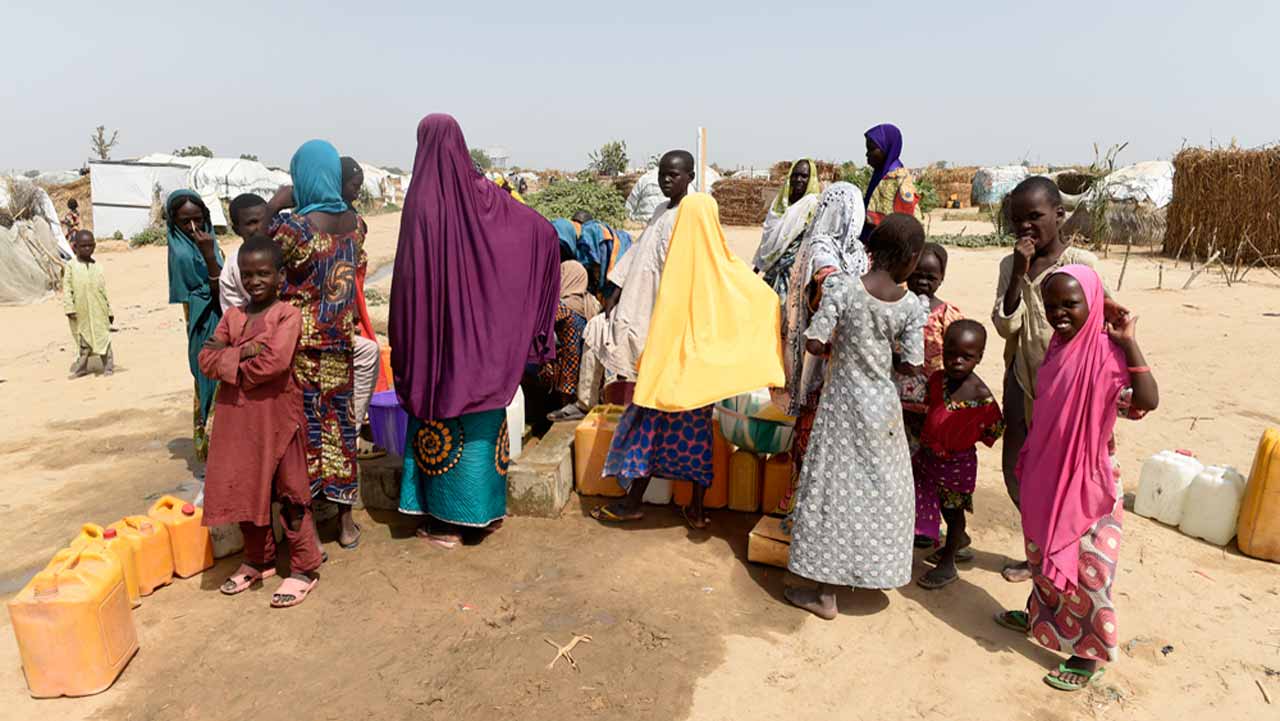
According to the UN agency, nearly 35 million people across northern Nigeria are “projected to face severe food insecurity during the 2026 lean season,” which spans from May through September when food reserves are traditionally at their lowest.
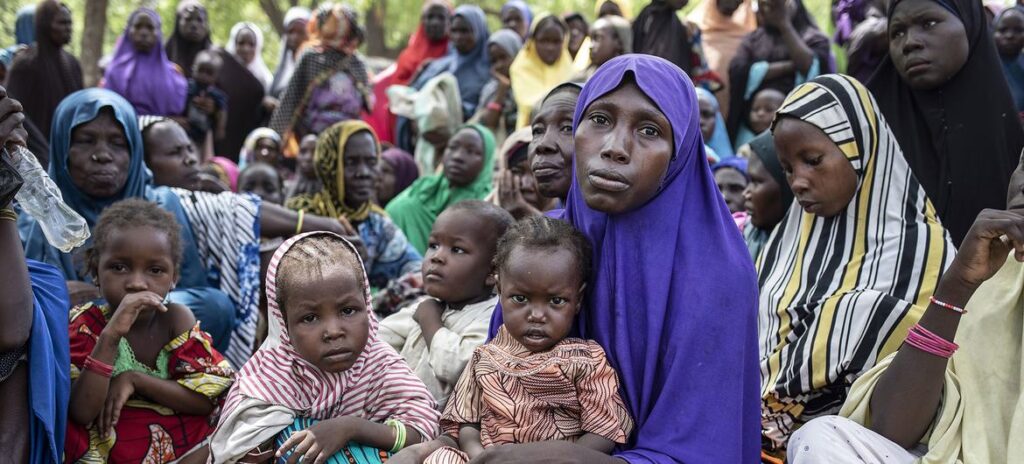
In Borno State, the heart of a 16-year insurgency, roughly 15,000 people “are projected to reach catastrophic hunger” or fall into “famine-like conditions,” WFP said, warning that the situation is worsening faster than anticipated.
The long-running conflict has already claimed more than 40,000 lives, forced about two million people from their homes, and stretched into neighbouring countries. In addition to Boko Haram’s presence in the northeast, Nigeria continues to grapple with relentless violence from armed “bandit” groups in the central and northwestern regions, where villages are raided, residents are killed, and kidnappings for ransom remain rampant.
Only last week, the country witnessed three major mass abductions. More than 300 students and teachers were seized from a Catholic school in Niger State, 25 Muslim female students were abducted in nearby Kebbi State, and 38 worshippers were kidnapped during a livestreamed church service in Kwara State.
Although the intensity of the insurgency declined after its peak around 2015, attacks have risen again since the start of the year. Analysts attribute this to several compounding factors that have strengthened jihadist groups while stretching security forces thin.
The lean season from May to September typically leaves rural households with low food stocks. In normal circumstances, farmers would purchase food to survive the period—but soaring inflation and a worsening economic crisis have left many unable to afford basic staples.
At the same time, foreign assistance has shrunk. The WFP’s biggest donor, the United States, has significantly reduced foreign aid under President Donald Trump’s administration, cutting into funds that support UN humanitarian programmes. Several European nations have also trimmed their budgets, further shrinking available aid.
Nearly one million people in northeastern Nigeria depend on WFP food support, but funding gaps forced the agency to begin scaling back its nutrition programmes in July. Of the 500 nutrition centres operated by the WFP in the region, 150 shut down at the end of July, leaving more than 300,000 children exposed to severe vulnerabilities and pushing malnutrition from “serious” to “critical” during the year’s third quarter.
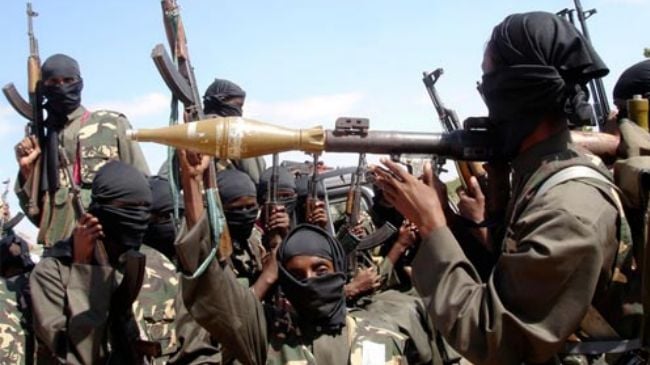
Complicating the crisis, jihadist attacks have intensified in recent months. The Al-Qaeda-linked Group for the Support of Islam and Muslims (JNIM) claimed responsibility for its first-ever attack in Nigeria late last month, raising fears of deepening instability.
“Communities are under severe pressure from repeated attacks and economic stress,” said WFP representative in Nigeria, David Stevenson. “Families are being pushed closer to the edge, and the need for support is rising.”

Nigeria is also experiencing a severe economic downturn, as President Bola Tinubu’s reform policies—praised by the IMF—have triggered a steep rise in the cost of living, further exacerbating conditions for already vulnerable families.
What You Should Know
Northern Nigeria is experiencing an escalating humanitarian crisis driven by intensified jihadist attacks, widespread displacement, severe economic hardship, and shrinking foreign aid.
As the lean season approaches, millions face alarming levels of food insecurity, with thousands in Borno State at risk of famine-like conditions.
The combination of violence, inflation, and reduced international assistance has deepened vulnerability across communities, leaving the World Food Programme warning of an urgent need for stronger support and intervention.