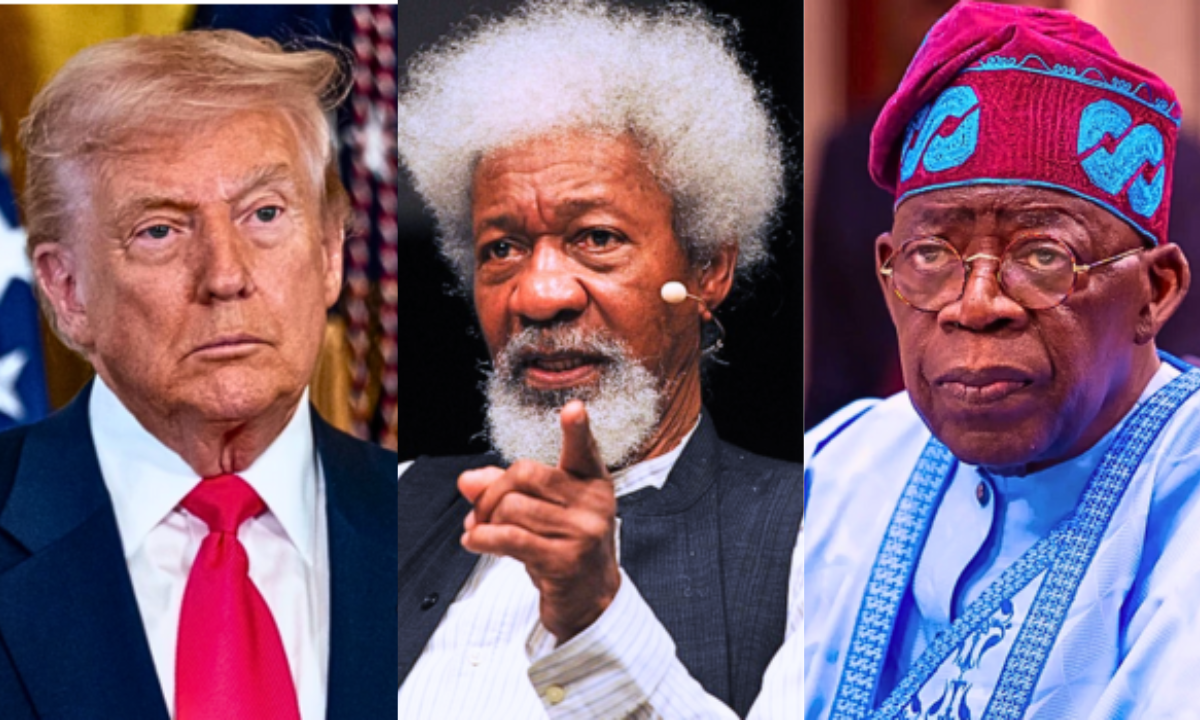
Nobel laureate Wole Soyinka has faulted US President Donald Trump’s threat to deploy American forces to Nigeria, describing the comment as evidence of a “pre-set mindset” that ignores the country’s complex security realities.
Soyinka spoke after a meeting with Governor Hyacinth Alia in Makurdi on Friday, where he stressed that Trump’s remarks lacked proper understanding.
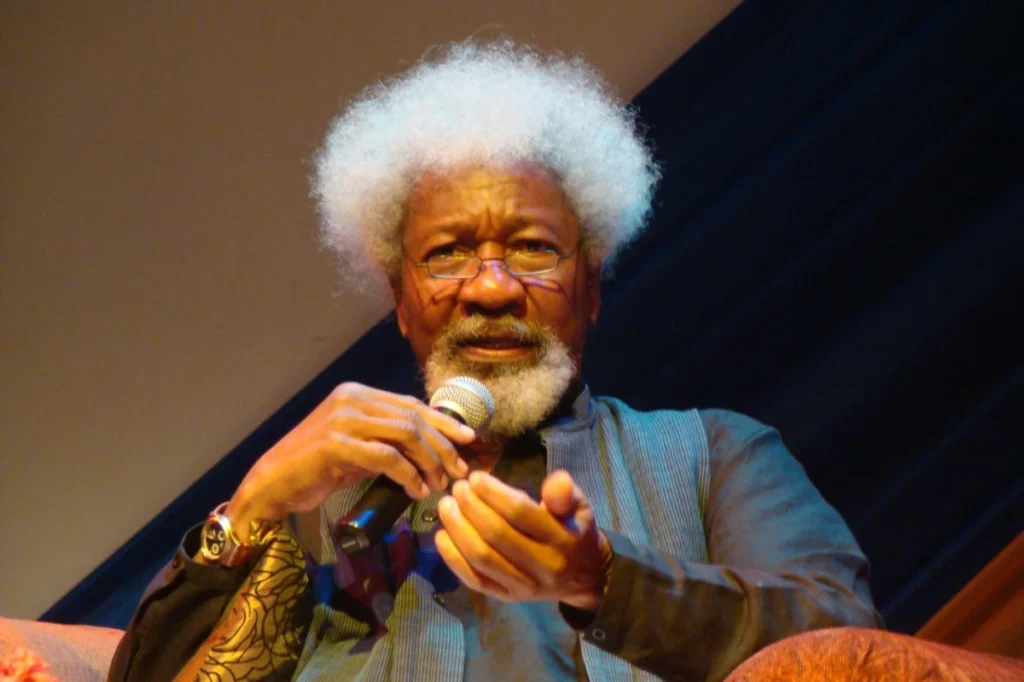
He argued that such statements show little respect for those working to resolve Nigeria’s security issues and warned that leaders must consider the implications of their words. Soyinka said, “You don’t just open your mouth and say, ‘I’m coming to help you whether you like it or not.” He added that with “poor, almost non-existent analysis,” threatening to intervene “with ‘guns blazing’” dismisses the real efforts underway. He stated that while governments have a duty to protect their citizens, victims of violence also deserve dignity and consideration. “At least respect those finding solutions to this unacceptable situation,” he said.
Trump had declared Nigeria a “Country of Particular Concern” on October 31, citing alleged killings of Christians. In a post shared on Truth Social, he claimed that Christianity faced an existential threat in Nigeria and wrote that “Thousands of Christians are being killed. Radical Islamists are responsible for this mass slaughter.” He urged US lawmakers to investigate and insisted that action must follow, calling on Congressman Riley Moore and Chairman Tom Cole to study the situation and arguing that the United States must protect Christian communities around the world.
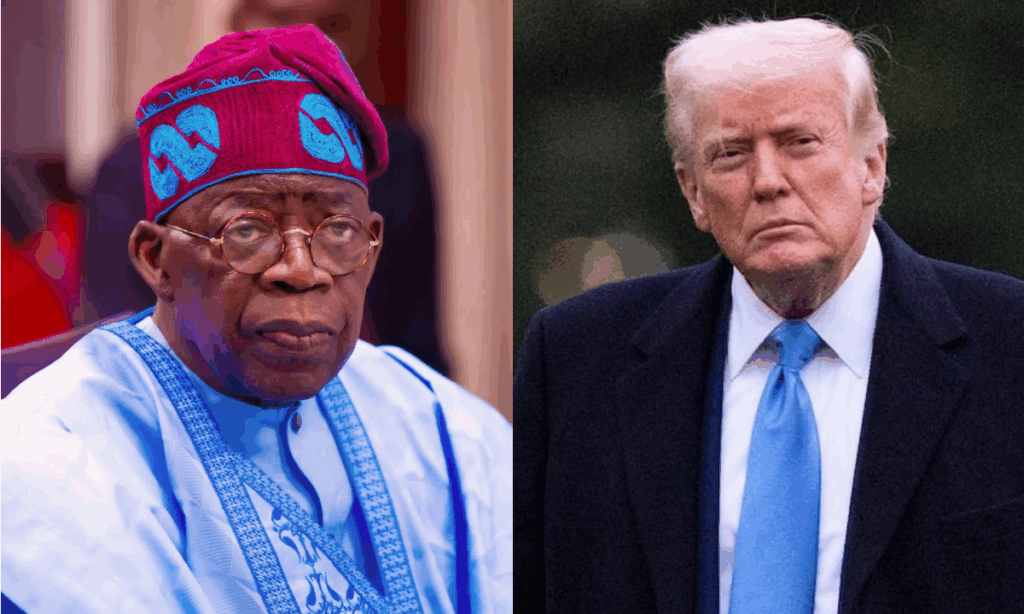
Trump had earlier threatened to send American forces into Nigeria “guns-a-blazing” if attacks on Christians continued, and reports indicated that the US military drafted contingency plans for a possible intervention. Meanwhile, President Bola Tinubu dismissed Trump’s claims, stating that the description “does not reflect our national reality.” Tinubu referenced continued engagement with Christian and Muslim leaders since 2023 aimed at improving security across the country.
The debate in Washington intensified on Thursday when the US House Foreign Affairs Subcommittee on Africa held a public hearing on the redesignation. The hearing, titled “A Serious, Well-Founded Wake-Up Call,” examined concerns about religious freedom in Nigeria. Senior State Department officials Jonathan Pratt and Jacob McGee testified on extremist attacks, while Committee Chairman Chris Smith said Nigeria faces “systematic, ongoing, egregious violations of religious freedom.” Lawmakers reviewed Nigeria’s response and discussed sanctions, visa restrictions, and stricter conditions for aid.
Additional witnesses, including Hudson Institute fellow Nina Shea, Bishop Wilfred Anagbe of Makurdi, and CSIS Africa director Oge Onubogu, presented varying views on the crisis. Their perspectives ranged from warnings about targeted violence to cautions against oversimplifying a complex situation that affects multiple regions and communities across Nigeria.
What You Should Know
Wole Soyinka criticized Donald Trump’s threat to deploy US forces to Nigeria, describing it as lacking proper understanding of the country’s security dynamics.
Trump’s comments followed his designation of Nigeria as a “Country of Particular Concern,” while President Tinubu rejected the claim that Christians are persecuted in the country.
The issue has prompted hearings in Washington, with US lawmakers debating religious freedom concerns, extremist attacks, and possible policy responses.