Biography and Early Life
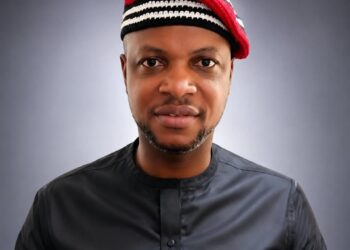
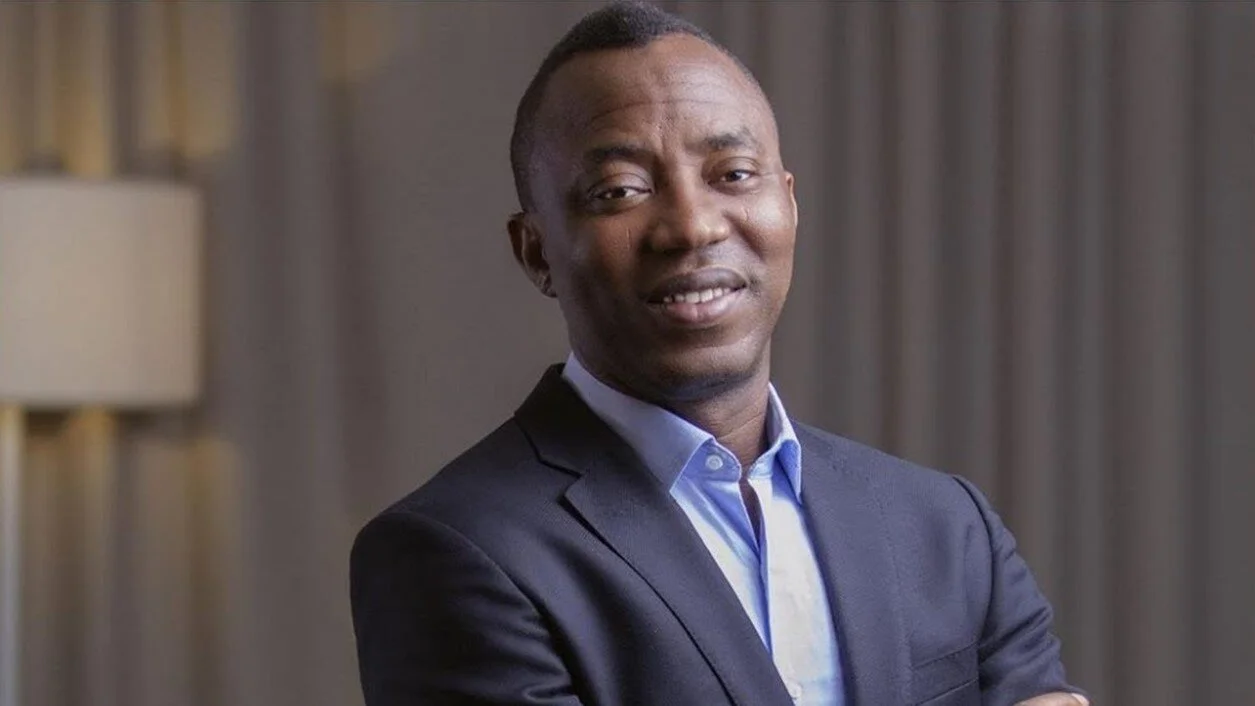
Omoyele Stephen Sowore was born on February 16, 1971, in Kiribo, Ese-Odo Local Government Area of Ondo State, Nigeria. Growing up in the Niger Delta region, Omoyele Sowore witnessed firsthand the environmental degradation and socio-economic challenges faced by oil-producing communities—experiences that would shape his lifelong commitment to social justice and activism.
From his youth, Sowore displayed a keen awareness of societal inequalities and a determination to challenge injustice. His formative years in the Niger Delta instilled in him a deep understanding of resource exploitation, government neglect, and the struggles of marginalized communities.
Educational Background
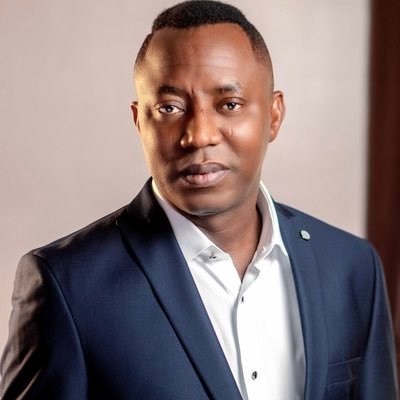
Sowore’s educational journey began in Ondo State, where he attended Kiribo Grammar School. His academic excellence and leadership qualities became evident early, setting the stage for his later activism.
He gained admission to the University of Lagos (UNILAG) in 1989, where he studied Geography and Planning. However, Sowore’s university years were defined less by classroom learning and more by student activism. At UNILAG, he became deeply involved in student union politics, fighting against military dictatorship, poor funding of education, and oppressive policies.
His activism during his university years was so pronounced that it extended his stay at UNILAG considerably—he spent nearly a decade completing what should have been a four or five-year program, due to repeated suspensions and arrests for his activism. He eventually graduated in 1995, but not before establishing himself as one of Nigeria’s most fearless student activists.
After leaving Nigeria, Sowore pursued graduate studies in the United States, earning a Master’s degree from Columbia University in New York, which further broadened his perspectives on governance, media, and social change.
Activism and Human Rights Advocacy
Sowore’s activism began in earnest during Nigeria’s military era in the 1990s. As a student leader, he organized protests against military rule, particularly during the regimes of Generals Ibrahim Babangida and Sani Abacha. His activism during this period was dangerous—many activists disappeared, were imprisoned, or killed during the brutal Abacha regime.
Key aspects of his activism include:
Anti-Military Dictatorship Movement: Sowore was at the forefront of student protests demanding a return to democratic governance. He participated in numerous demonstrations that often resulted in violent confrontations with security forces.
Pro-Democracy Advocacy: He worked alongside various pro-democracy groups fighting for human rights, press freedom, and the rule of law during one of Nigeria’s darkest political periods.
Environmental Justice: His Niger Delta background kept him connected to struggles against environmental degradation and for resource control by oil-producing communities.
Journalism Career and Sahara Reporters
In 2006, Sowore founded Sahara Reporters, an online news platform that would revolutionize investigative journalism in Nigeria. Operating primarily from New York, Sahara Reporters became known for its fearless reporting on corruption, human rights abuses, and government misconduct.
Impact of Sahara Reporters:
Whistleblowing Platform: The platform became a go-to destination for whistleblowers and sources providing information on corruption and malfeasance in the Nigerian government and society.
Investigative Journalism: Sahara Reporters broke numerous high-profile corruption stories, often ahead of traditional Nigerian media outlets that faced greater censorship pressures.
Citizen Journalism: The platform pioneered citizen journalism in Nigeria, allowing ordinary Nigerians to submit reports, videos, and documents exposing wrongdoing.
Government Accountability: Through persistent investigative work, Sahara Reporters held politicians, security agencies, and public officials accountable, often publishing stories that other media houses avoided.
The platform’s aggressive style and willingness to publish unverified reports sometimes drew criticism, but it undeniably influenced the landscape of Nigerian journalism and established Sowore as a powerful media figure.
Political Career
Presidential Candidacy (2019)
In 2018, Sowore announced his intention to run for president in the 2019 elections under the African Action Congress (AAC), a party he helped establish. His campaign adopted the slogan “Take It Back,” calling for a revolutionary approach to Nigerian politics.
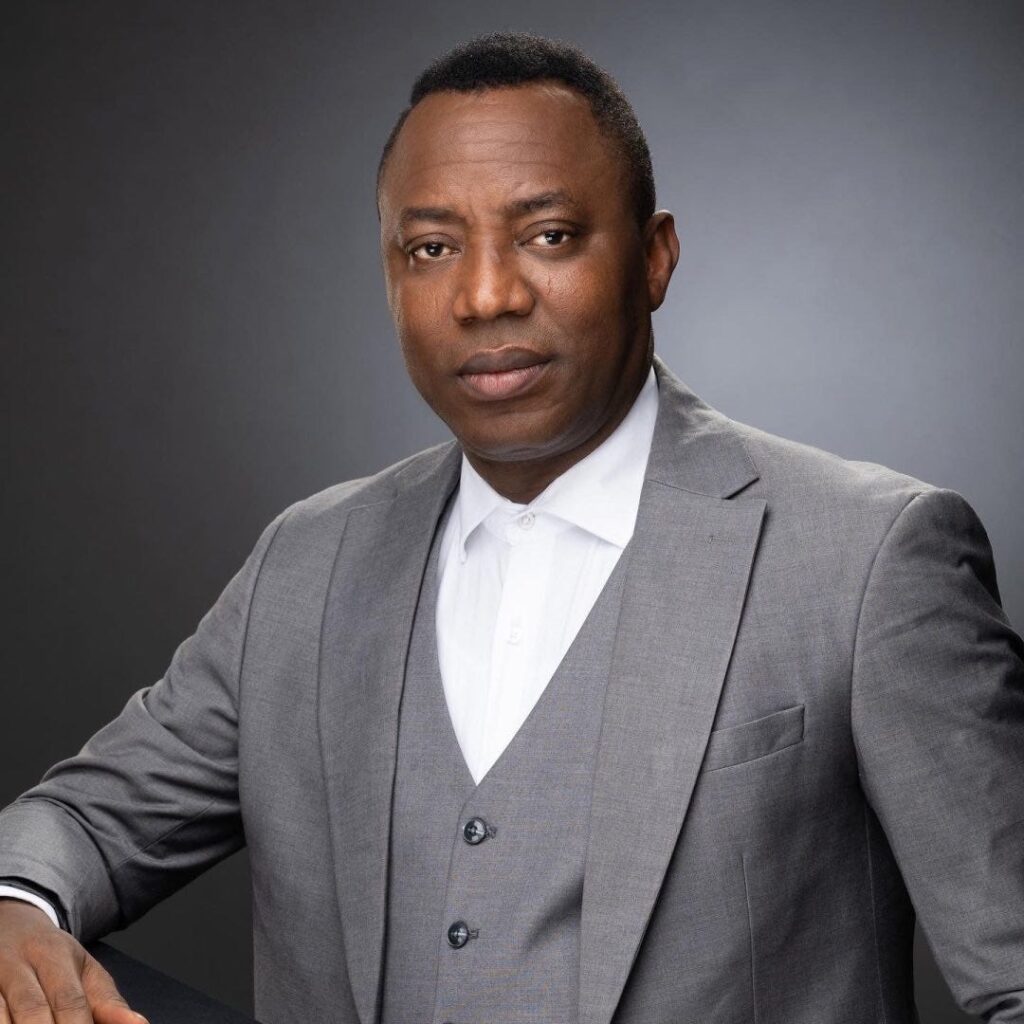
His campaign platform focused on:
- Ending corruption through systemic reforms
- Restructuring Nigeria’s federal system
- Economic justice and wealth redistribution
- Youth empowerment and job creation
- Educational reform and free education
- Healthcare for all citizens
- Ending insecurity and police brutality
Arrest and Detention: On August 3, 2019, just days before a planned protest, Sowore was arrested by Nigeria’s Department of State Services (DSS) and charged with treasonable felony, money laundering, and cyberstalking. The charges were widely viewed as politically motivated.
Despite court orders granting him bail, Sowore remained in detention for over 120 days, sparking domestic and international outcry. His arrest became a symbol of shrinking civic space and press freedom in Nigeria. He was eventually released in December 2019, only to be dramatically re-arrested inside the courtroom—an incident captured on video that shocked many Nigerians.
Presidential Candidacy (2023)
Undeterred by his previous experiences, Sowore ran again for president in 2023 under the AAC. His campaign maintained its revolutionary rhetoric, appealing to young Nigerians frustrated with the political establishment. However, he garnered relatively few votes, as much of the youth vote gravitated toward Peter Obi’s Labour Party campaign.
Continued Activism and Advocacy
Beyond electoral politics, Sowore has remained active in various social movements:
#EndSARS Movement: He was a prominent voice during the 2020 #EndSARS protests against police brutality in Nigeria, providing coverage through Sahara Reporters and participating in demonstrations.
#RevolutionNow: He initiated this movement, calling for systemic change in Nigeria, organizing protests despite government resistance and arrests.
Press Freedom Advocacy: As both a journalist and activist, Sowore continues to advocate for press freedom, often defending other journalists facing persecution.
Human Rights Defense: He regularly speaks out against human rights abuses, arbitrary detention, and extrajudicial killings in Nigeria.
Legal Battles and Controversies
Sowore’s activism has resulted in numerous arrests and legal battles. Beyond his 2019 detention, he has faced various charges and harassment from security agencies. His confrontational style and willingness to organize protests have made him a target of government crackdowns.
Critics argue that his approach is sometimes reckless or that Sahara Reporters lacks sufficient editorial standards. Supporters, however, view him as one of Nigeria’s most courageous voices against authoritarianism and corruption.
Personal Life
Sowore is married to Opeyemi Sowore, and they have children together. His family, particularly his wife, became vocal advocates for his release during his 2019 detention. The Sowore family has experienced tragedy—in 2021, his younger brother, Olajide Sowore, was killed by gunmen in Ondo State, an incident that devastated the activist and raised questions about targeted violence.
Despite living in the United States for many years, Sowore has maintained strong connections to Nigeria and frequently returns to participate in activism and political activities, often at considerable personal risk.
Legacy and Impact
Omoyele Sowore represents a particular brand of Nigerian activism—uncompromising, confrontational, and revolutionary. His contributions include:
Media Innovation: Pioneering online investigative journalism that challenged traditional media models and government information control.
Youth Inspiration: Inspiring a generation of young Nigerians to question authority and demand accountability from leaders.
Democratic Resistance: Consistently resisting authoritarian tendencies across different Nigerian administrations, from military regimes to civilian governments.
Civic Courage: Demonstrating personal courage in the face of arrest, detention, and potential harm.
Whether viewed as a fearless revolutionary or a controversial agitator, Sowore’s impact on Nigerian journalism, activism, and political discourse is undeniable. He embodies the spirit of resistance against injustice and has dedicated his life to the pursuit of a more equitable Nigeria.
Omoyele Sowore’s journey from Niger Delta youth to student activist to international journalist and presidential candidate illustrates the power of unwavering commitment to social justice. In a nation where speaking truth to power often comes with severe consequences, Sowore has consistently chosen courage over comfort, making him one of contemporary Nigeria’s most significant activist figures.