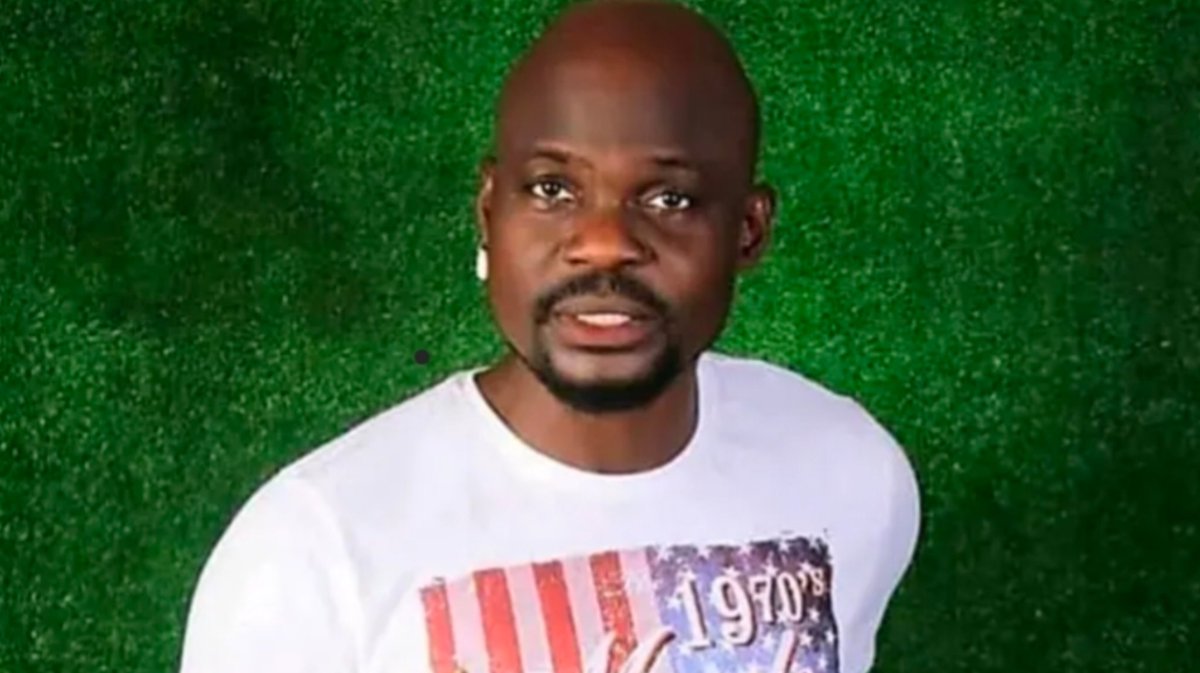
In a dramatic turn of events that has reignited debate across Nigeria’s entertainment circles, veteran Nollywood actor Olanrewaju Omiyinka, widely known by his stage name Baba Ijesha, walked free from custody on Friday, November 14, 2025, after spending more than three years behind bars on sexual assault charges.
The 54-year-old actor’s release comes following an Appeal Court ruling that reportedly cleared him of the charges that led to his initial conviction and 16-year prison sentence handed down by the Lagos State High Court on July 14, 2022.
Fellow actor Yomi Fabiyi, who has been a vocal supporter of Baba Ijesha throughout the legal proceedings, announced the release via Instagram on Friday evening. In his post, Fabiyi declared that the Appeal Court had cleared the actor of charges relating to the defilement of a minor.
“You are now officially FREE AND OUT. Baba Ijesha is not just back but BETTER,” Fabiyi wrote in his statement. “I am also happy you were cleared by the APPEAL COURT of ever having sex/defile any child/minor. The 7-year-old story is a charade.”
Fabiyi’s statement continued with pointed criticism of the original proceedings: “We live in a terrible world, where sentiments and wickedness rise above the rule of law and truth.”
The case originally centered on allegations that Baba Ijesha sexually assaulted a 14-year-old girl. The actor was arrested in April 2021 following accusations made by comedian Princess (real name Damilola Adekoya), who claimed the actor had molested her foster daughter. The allegations reportedly involved incidents that occurred when the victim was seven years old, with additional alleged assault attempts captured on CCTV footage years later.
The case quickly became one of the most polarizing controversies in Nigerian entertainment history, splitting the Nollywood community down the middle. While many actors and activists called for justice for the alleged victim, others, including Fabiyi, raised questions about the legal process and evidence presented in court.
The 2022 conviction by Justice Oluwatoyin Taiwo of the Lagos State Special Offenses Court found Baba Ijesha guilty of sexual assault and sentenced him to 16 years’ imprisonment, though he was acquitted of the more serious charge of attempted defilement.
As news of the release spread across social media platforms Friday evening, reactions have been mixed, with some celebrating what they view as a vindication of justice, while others express concern about the implications for child protection and sexual assault cases in Nigeria.
Details of the Appeal Court’s decision, including the specific grounds for overturning the conviction, remain unclear at press time. Legal experts note that appellate courts can overturn convictions based on procedural errors, insufficient evidence, or other legal grounds.
The case has raised broader questions about Nigeria’s judicial system, the handling of sexual assault allegations, and the power of celebrity influence in legal proceedings. It has also highlighted the challenges faced by victims of sexual assault in seeking justice, particularly when cases involve high-profile defendants.
As Baba Ijesha re-enters society after more than three years in custody, the Nigerian public awaits further details about the Appeal Court’s ruling and what this means for similar cases moving forward.
WHAT YOU SHOULD KNOW
Nigerian actor Baba Ijesha has been released from prison after serving over three years of a 16-year sentence for sexual assault of a minor. An Appeal Court reportedly cleared him of the charges that led to his 2022 conviction by the Lagos State High Court.
The case, which deeply divided Nigeria’s entertainment industry, centered on allegations involving a 14-year-old girl. While supporters claim vindication, the Appeal Court’s specific grounds for overturning the conviction remain unclear.
This development raises critical questions about Nigeria’s judicial system, the handling of sexual assault cases, and whether justice was truly served for either party involved.
A high-profile conviction has been overturned, but the full legal reasoning and implications for child protection cases in Nigeria are yet to be fully understood.