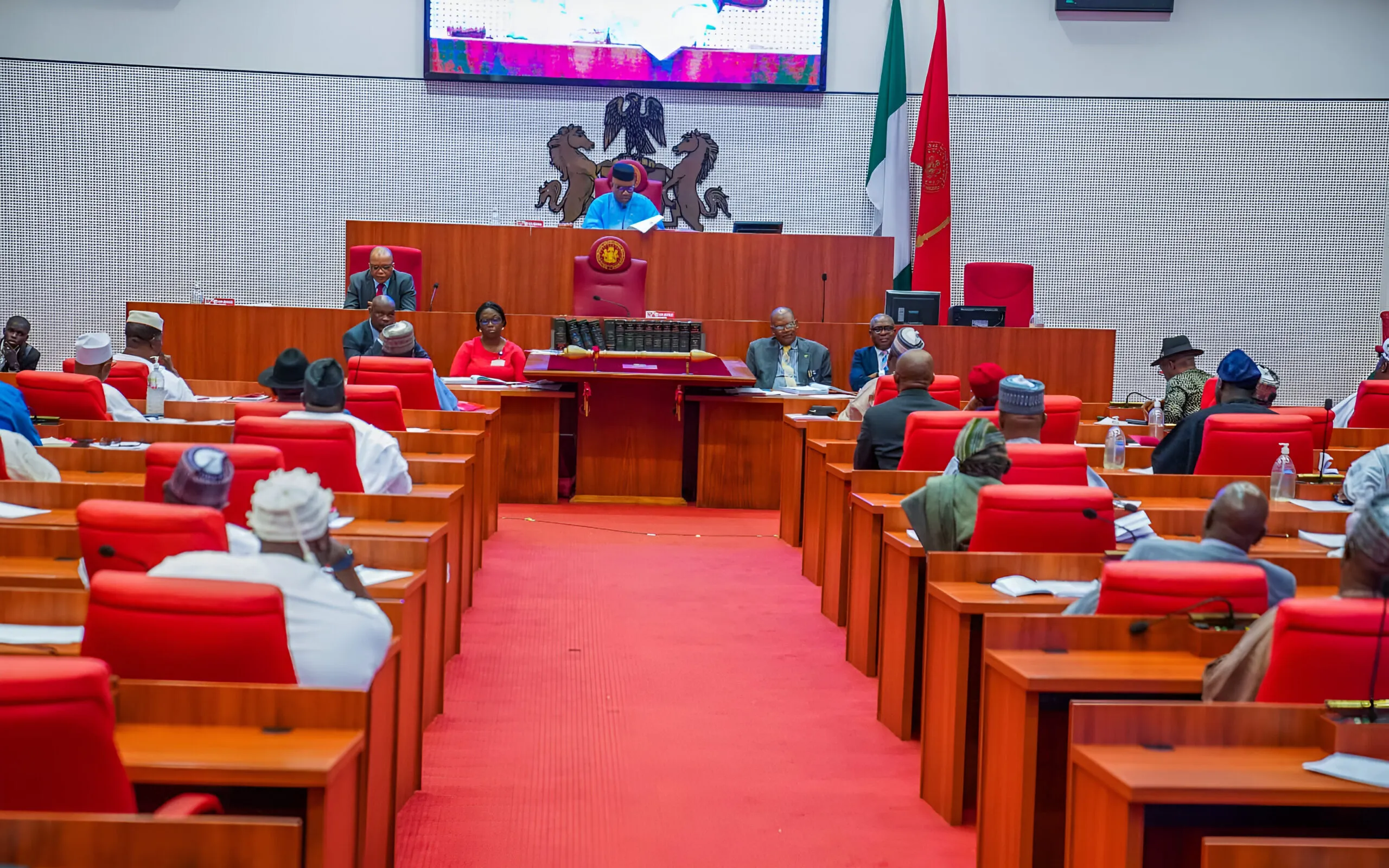
The Senate has begun an extensive investigation into the generation and utilization of stamp duty revenues across Nigeria, a move lawmakers describe as a critical step toward strengthening financial accountability and closing loopholes in public revenue management.
Addressing journalists at a media conference, the Chairman of the Senate Committee on Public Accounts, Senator Aliyu Wadada, explained that the probe is designed to uncover how funds collected from stamp duties have been accumulated, managed, and spent over the years.
Senator Wadada emphasized that the investigation reflects the Senate’s broader commitment to promoting transparency in public finance and ensuring that all government revenues are directed toward improving the lives of Nigerians.
“We are determined to ensure that the resources generated through stamp duties are being used transparently and for the benefit of the people.
Our goal is to identify areas where revenue may be leaking and ensure these funds are redirected toward public services and infrastructure,” he stated.
According to Wadada, the committee’s inquiry will focus on stamp duty revenues generated from agreements involving government institutions, private entities, and individuals. The investigation will also assess both the mechanisms of collection and the allocation or usage of the proceeds.
As part of its oversight effort, the committee has written to key stakeholders such as the Federal Inland Revenue Service (FIRS), the Nigerian Governors’ Forum (NGF), and commercial banks, requesting detailed records of total stamp duty collections and remittances.
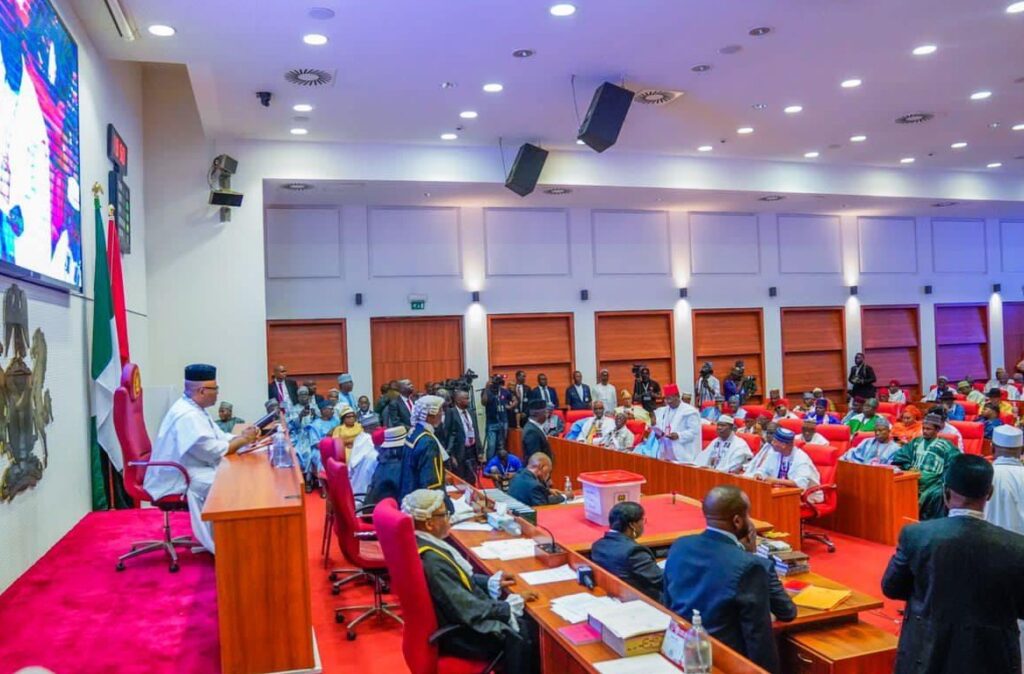
The Senate committee has set November 25 as the deadline for all relevant parties to submit their financial statements, transaction data, and supporting documents.
Lawmakers say the outcome of this investigation will play a vital role in shaping future fiscal policies, ensuring stronger financial controls, and enhancing the efficiency of Nigeria’s revenue management framework.
“The utilization of stamp duty revenue has not been effectively monitored in the past, and we are determined to change that,” Senator Wadada noted. “This investigation will give us a clear picture of how much has been generated and how it has been used.”
This renewed legislative scrutiny comes amid growing concerns over the transparency of Nigeria’s stamp duty regime, which has long been a significant yet opaque source of government revenue. In recent years, discrepancies in reported collections and alleged diversions have fueled public demand for greater accountability.
The Senate’s probe is expected to reveal whether the billions of naira generated through stamp duties are properly accounted for and if they have been utilized in line with the law.
By insisting on compliance and transparency, lawmakers hope to restore public confidence in the system while ensuring that future collections contribute directly to development initiatives such as infrastructure, education, and healthcare.
What You Should Know
Stamp duty is a form of tax charged on legal and commercial documents, serving as a vital source of non-oil revenue for Nigeria.
Over the years, concerns have grown over how these funds are collected and used, with reports of poor oversight and potential mismanagement. The Senate’s current investigation, led by Senator Aliyu Wadada, seeks to track all stamp duty collections and expenditures, involving key institutions such as the FIRS, NGF, and commercial banks.
Lawmakers aim to plug revenue leakages, improve transparency, and ensure that future stamp duty proceeds directly benefit Nigerian citizens.