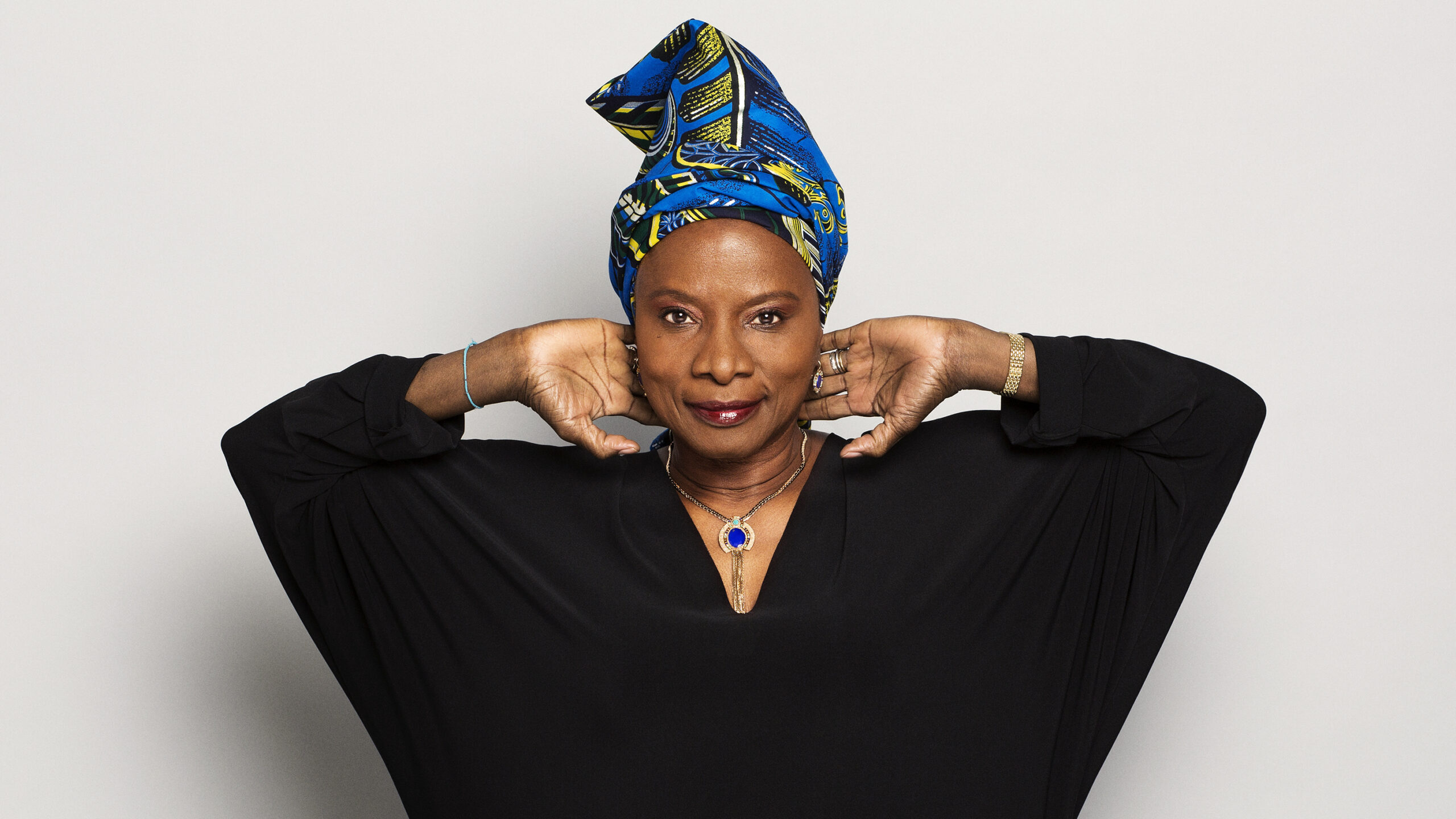
Internationally acclaimed Beninese singer Angelique Kidjo has issued a stark warning to fellow musicians about the perils of aligning their art with political figures and parties, arguing that such associations can prove career-ending when regimes inevitably change.
The five-time Grammy Award winner, widely regarded as one of Africa’s most influential musical voices, shared her candid views during a recent appearance on the Female Poets Society podcast, drawing on wisdom passed down from her father to explain her principled stance on artistic independence.
“My father always used to say to us, especially to me as a singer, do not write music for any political party because they come and they go, and once they’re gone, you go with it,” Kidjo recalled, emphasizing the transient nature of political power.
The 64-year-old artist, known for her fusion of West African traditions with contemporary genres and her advocacy for human rights, explained that musicians who accept political patronage risk losing both their artistic credibility and their audience when the political winds shift.
“Write your music with your opinions, be free writing your music. Don’t be sold to somebody because therefore, you don’t become the voice of the people anymore, you become the voice of the power,” she said. “And when that power shifted, you’re off the window.”
Kidjo’s comments come at a time when the relationship between African artists and politicians remains complex and often controversial. Across the continent, musicians frequently face pressure—and lucrative offers—to endorse political campaigns or compose praise songs for sitting leaders. While such arrangements can bring immediate financial rewards and government favor, they often carry significant reputational risks.
The singer’s warning underscores a fundamental tension in the role of artists in society: whether to serve as independent voices holding power accountable, or to align themselves with those in power. Kidjo’s position is clear—artists should remain voices of the people, maintaining the freedom to critique and comment without fear of political repercussion or obligation.
Throughout her four-decade career, Kidjo has exemplified this philosophy, using her platform to address social issues, champion women’s rights, and promote African culture globally, while carefully maintaining her independence from political entanglements. Her stance serves as both a practical career strategy and a moral imperative for artists navigating the often treacherous intersection of art and politics.
As political landscapes across Africa and beyond continue to evolve rapidly, with regimes rising and falling, Kidjo’s father’s advice appears increasingly prescient: artistic longevity requires independence, and true influence comes not from proximity to power, but from connection to the people.
WHAT YOU SHOULD KNOW
Angelique Kidjo warns musicians that creating music for politicians is a dangerous gamble—political power is temporary, and artists who become “voices of the power” risk losing their careers and credibility when regimes change.
Her father’s advice remains clear: maintain artistic independence, stay true to the people, not the politicians, because when political winds shift, compromised artists get swept away with fallen leaders.
True artistic longevity comes from freedom and connection to the people, not political patronage.