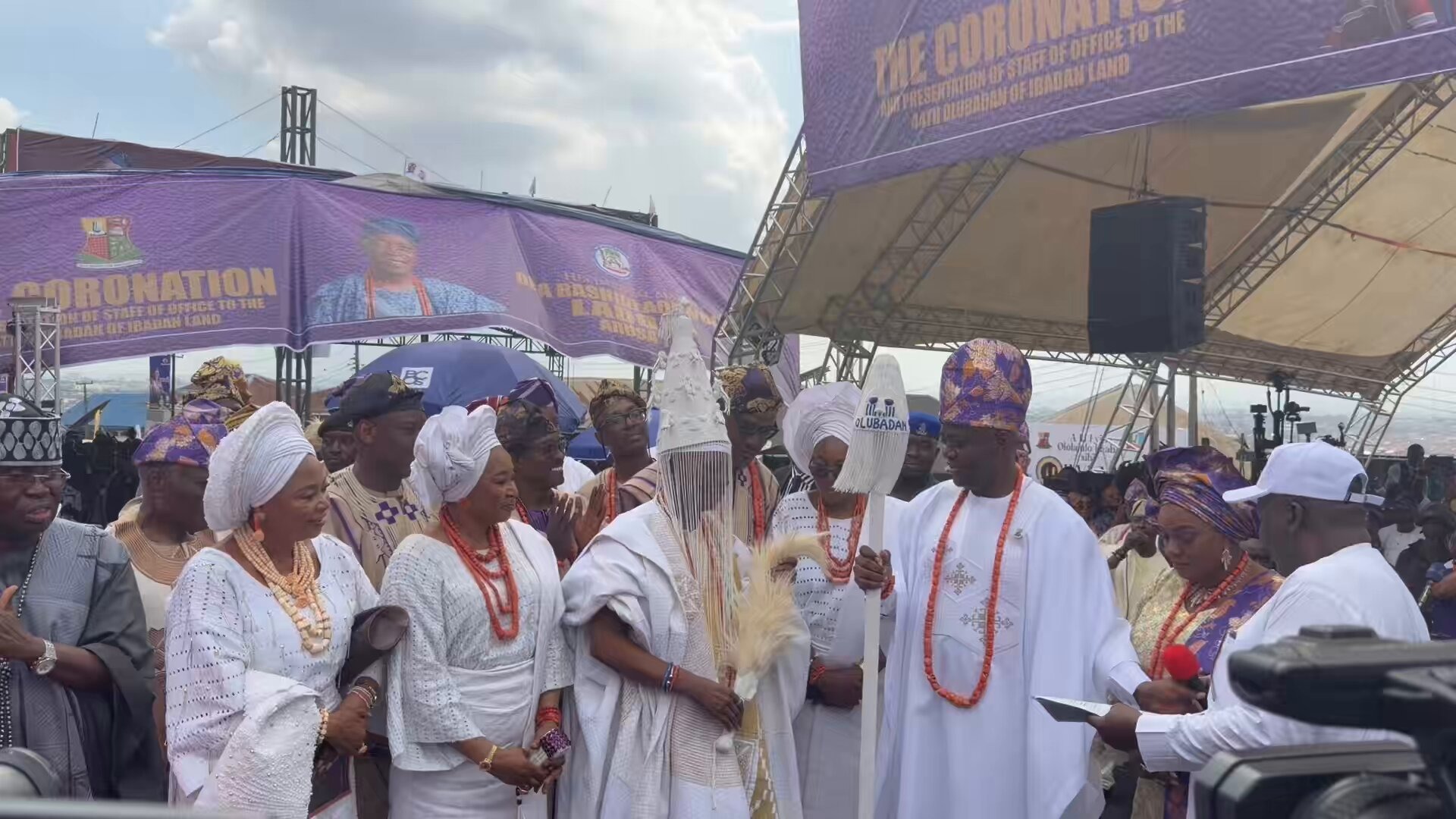
Oyo State Governor Seyi Makinde has formally confirmed Oba Rasidi Adewolu Ladoja as the 44th Olubadan of Ibadanland, presenting him with the staff and certificate of office in a historic ceremony on Friday at the iconic Mapo Hall, Ibadan.
The presentation, which took place precisely at 3:05 p.m., capped a series of traditional rites and signified the official legitimisation of Ladoja’s ascension to the revered throne. The coronation drew a distinguished gathering of cultural and political figures, including President Bola Tinubu, underscoring the importance of the event in Nigeria’s socio-political and traditional landscape.
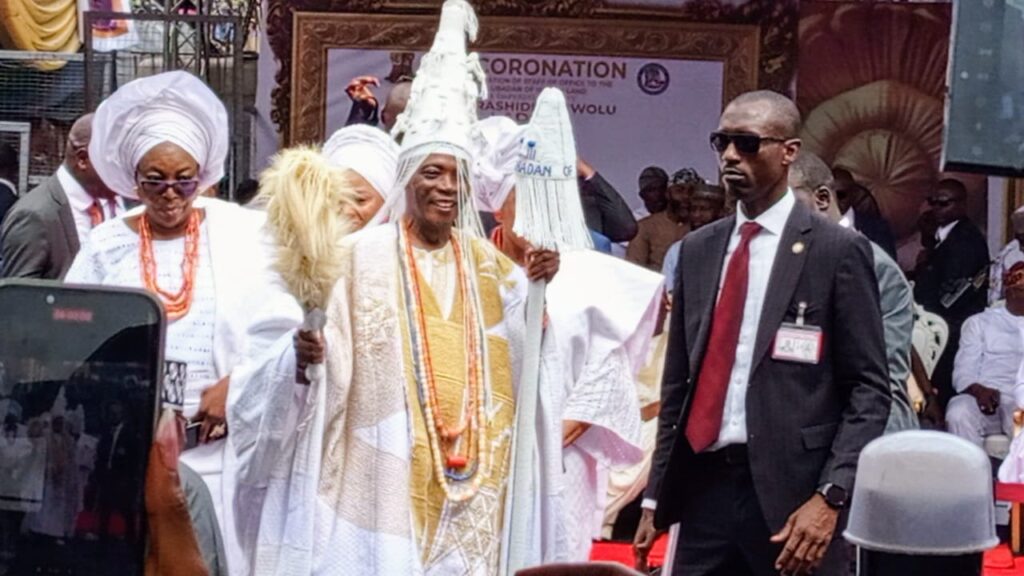
Governor Makinde described the occasion as “momentous,” emphasising the weight of history and continuity it represents for Ibadan. He said: “In exercise of the power conferred on me as the Governor, I hereby present the staff of office to Oba, His Imperial Majesty, Senator, Governor, Engineer, my Baba, His Imperial Majesty, Rasidi Adewolu Ladoja, Arusa 1st. This is in confirmation as the 44th Olubadan of Ibadanland. I am so present.”
The coronation ceremony not only reinforced the symbolic strength of Ibadan’s monarchical traditions but also marked a unique moment where a former governor has seamlessly transitioned into a traditional leadership role. This convergence of governance and heritage highlights the deepening connection between political authority and cultural custodianship.
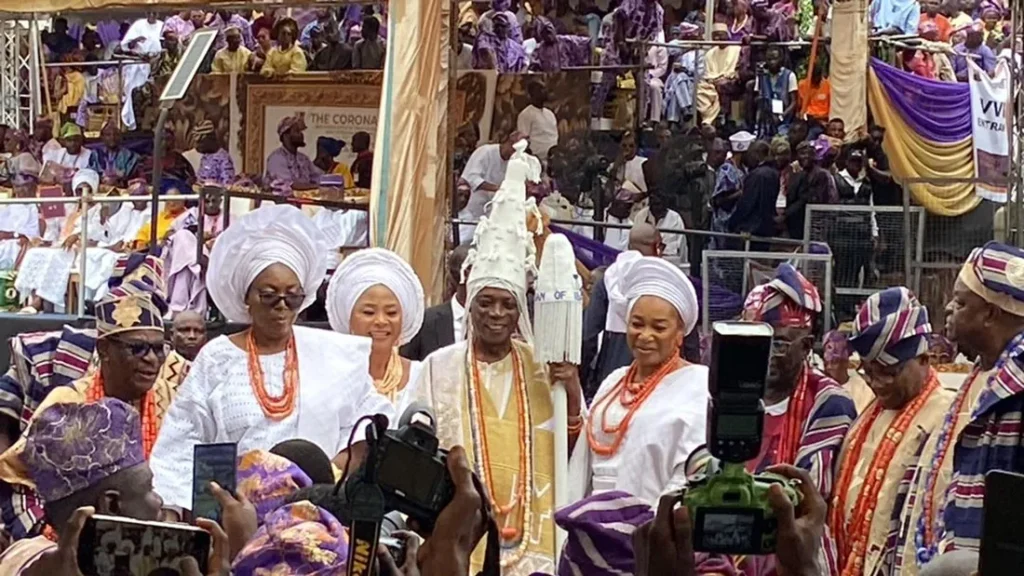
The event, colourful in pageantry, featured the presence of traditional rulers, politicians, religious leaders, and hundreds of Ibadan residents who thronged Mapo Hall to witness history. Security operatives ensured the smooth conduct of the ceremony, which blended modern governance with centuries-old tradition.
What you should know
Oba Rasidi Adewolu Ladoja’s coronation as the 44th Olubadan of Ibadanland is historic, uniting political experience with traditional leadership.
As a former Oyo State governor, his elevation to the throne symbolises both continuity and renewal in Ibadan’s revered monarchy, reinforcing the cultural significance of the Olubadan stool in Nigeria’s traditional hierarchy.