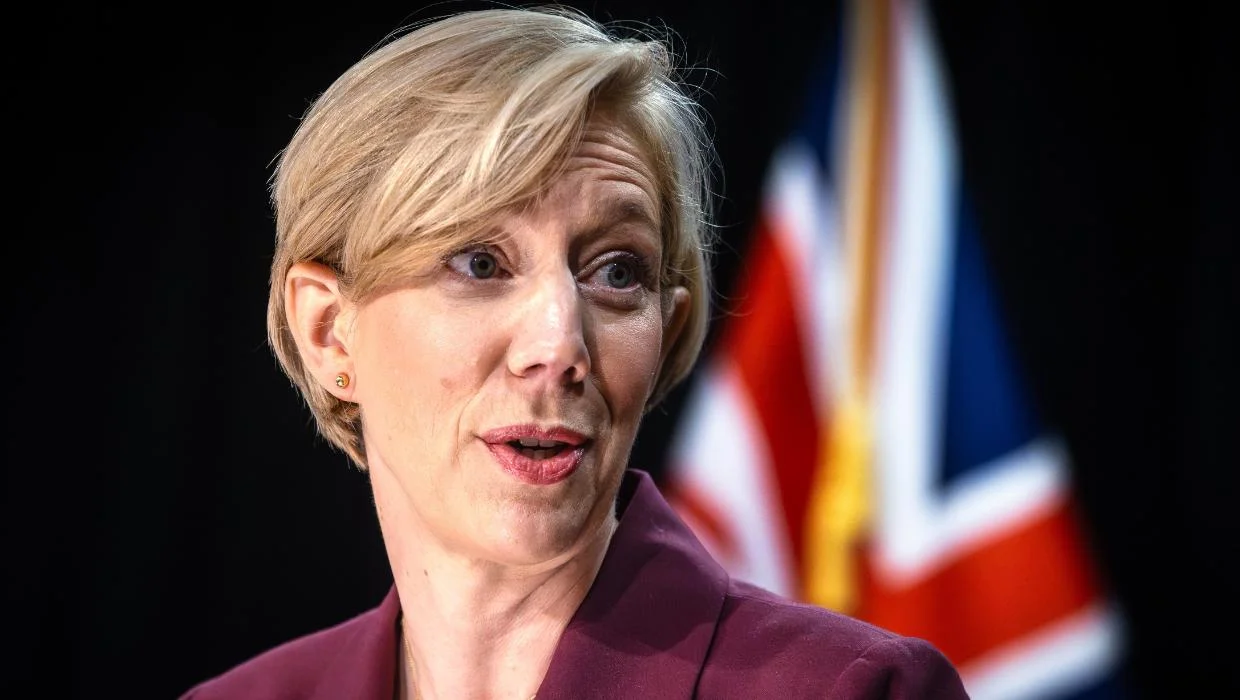
In a watershed moment for New Zealand’s monetary policy landscape, the Reserve Bank of New Zealand (RBNZ) has appointed Anna Breman as its new governor, marking the first time in modern history that a foreign national will lead the nation’s central bank.
The 49-year-old Swedish economist, currently serving as deputy governor of Sweden’s Riksbank, emerged victorious from an exhaustive global recruitment process that evaluated 300 candidates.
Her appointment comes at a critical juncture as the RBNZ grapples with intense public criticism over its economic stewardship and faces the broader challenge of maintaining institutional independence amid mounting political pressures worldwide.
A Leader Forged in Crisis Management
Breman brings substantial experience in navigating turbulent economic waters. Her tenure at the Riksbank, which began in 2019 when she joined the executive board, has encompassed some of the most challenging monetary policy decisions in recent memory. Her promotion to First Deputy Governor in 2022 coincided with Sweden’s own battles against inflation and economic uncertainty.
Her policy stance became clearer this week when she supported the Riksbank’s surprise decision to cut interest rates on Tuesday, demonstrating her willingness to take decisive action when economic conditions warrant intervention. This move, which caught markets off guard, offers insight into her pragmatic approach to monetary policy—one that prioritizes economic stability over predictable gradualism.
Taking the Helm Amid Economic Turbulence
Breman inherits an institution under siege. The RBNZ faces withering criticism for its pandemic response, which saw the bank inject billions in stimulus that critics argue contributed to New Zealand’s subsequent inflation surge. The institution was later forced to dramatically reverse course, implementing aggressive interest rate hikes that helped trigger a recession in the pursuit of price stability.
At Wednesday’s appointment announcement in Wellington, Breman struck a reassuring tone, pledging that the RBNZ would “stay laser focused on delivering low and stable inflation.” Her commitment echoes her previous statements about the fundamental mission of central banking—maintaining price stability and preserving public confidence in monetary policy frameworks.
Independence Under Pressure
The appointment unfolds against a backdrop of growing global skepticism toward central bank autonomy. From political interference in Turkey to legislative challenges in the United States, monetary policy institutions worldwide are facing unprecedented scrutiny from elected officials frustrated with economic outcomes.
Breman has demonstrated acute awareness of these pressures. In a June speech in London, she warned fellow central bankers to prepare for “monetary policy [that] may need to be conducted and communicated in a politically and economically more uncertain world in the future.”
This prescience may prove invaluable as she navigates New Zealand’s complex political landscape, where the current center-right government has already begun rolling back some of the cultural initiatives implemented under her predecessor.
A New Chapter in RBNZ’s Evolution
Beyond her historic status as the bank’s first foreign governor, Breman also becomes the RBNZ’s first female leader—a symbolic breakthrough in a traditionally male-dominated field. Her appointment represents a clean break from the tenure of Adrian Orr, whose leadership saw the bank embrace Maori language and cultural practices in unprecedented ways.
While Breman expressed enthusiasm for learning about Maori culture and the indigenous economy, her approach may need to align with the current government’s more conservative stance on such initiatives. Her opening remarks in te reo Māori—greeting reporters with “kia ora”—suggest she intends to respect New Zealand’s bicultural foundations while potentially recalibrating the bank’s public positioning.
The Road Ahead
Breman’s academic credentials are formidable. Armed with a PhD in Economics from the Stockholm School of Economics and experience spanning commercial banking at Swedbank, policy work at the World Bank, and research at the University of Arizona, she brings a global perspective to New Zealand’s economic challenges.
Her advocacy for integrating climate considerations into monetary policy thinking aligns with international trends toward environmental risk assessment in financial regulation—an approach that could prove crucial as New Zealand grapples with the economic implications of climate change.
As she prepares to relocate to Wellington with her family later this year, Breman faces the formidable task of restoring public confidence in the RBNZ while defending its operational independence. Her success may well determine not only New Zealand’s economic trajectory but also serve as a bellwether for central banking in an era of unprecedented political and economic uncertainty.
The appointment of this seasoned international economist signals New Zealand’s commitment to technocratic expertise over domestic political considerations—a choice that will be tested in the challenging monetary policy environment that lies ahead.
WHAT YOU SHOULD KNOW
New Zealand has appointed Anna Breman, a Swedish central bank deputy governor, as its first foreign central bank leader in modern history. This historic choice comes as the Reserve Bank of New Zealand faces harsh criticism for contributing to inflation during the pandemic and then triggering a recession to control it.
Breman’s appointment signals New Zealand’s commitment to bringing in experienced international expertise to restore credibility to its monetary policy, while she must navigate growing global political pressure on central bank independence.