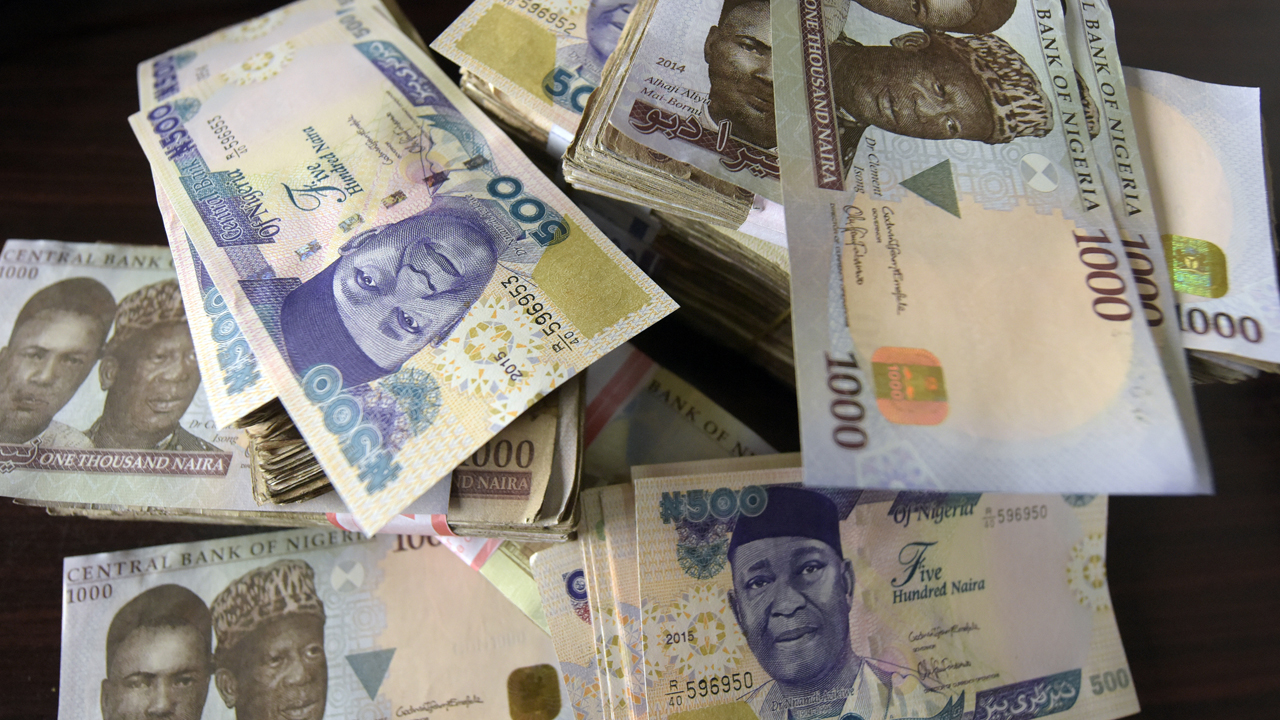
The Nigerian naira maintained relative stability against the British pound this week, trading at N2,035 to the pound in the official market on Thursday, as economic fundamentals continue to show signs of improvement across multiple sectors.
The currency’s performance comes as the Bank of England opted to keep UK interest rates unchanged, providing a stable backdrop for naira-pound exchange dynamics. In the parallel market, the naira has entered what analysts describe as a consolidation phase, with rates fluctuating within a narrow band of N2,200 to N2,210 per pound throughout September.
Policy Reforms Drive Market Confidence
The Central Bank of Nigeria’s strategic decision to float the naira and harmonize the country’s previously fragmented exchange rate system continues to yield positive results in the real economy. This policy shift has notably improved business sentiment, creating a more predictable environment for both domestic and international investors.
Market observers suggest the naira may experience bullish momentum in the coming weeks, driven by two key factors: enhanced foreign exchange inflows and Nigeria’s encouraging inflation trajectory. The country’s consumer price index has now declined for five consecutive months, offering much-needed relief to citizens who have endured prolonged periods of elevated living costs.
According to the latest data from the National Bureau of Statistics, Nigeria’s inflation rate dropped to 20.12% in August, marking a significant improvement that could influence monetary policy decisions in the months ahead.
Bilateral Trade Reaches Historic Heights
Against this backdrop of currency stability, Nigeria-UK trade relations have achieved unprecedented levels, according to British High Commissioner Richard Montgomery. Trade volume between the two nations has reached an all-time high of £7.9 billion, equivalent to approximately N16 trillion at current exchange rates.
The Enhanced Trade and Investment Partnership (ETIP), a framework agreement between the UK and Nigerian governments, has emerged as a critical driver of this trade expansion. Montgomery explained that the partnership systematically addresses non-tariff barriers while providing Nigerian exporters with preferential trading conditions and tariff reductions.
“I am very pleased with our most recent trade statistics. The trajectory is extremely positive,” Montgomery stated, emphasizing the mutual benefits of the deepening economic relationship.
Sector-Specific Opportunities
The British envoy highlighted particular opportunities in the manufacturing and energy sectors, noting that UK expertise in advanced manufacturing capabilities and innovative energy solutions aligns well with Nigeria’s development priorities. The creative economy has also emerged as a promising area for enhanced cooperation under the ETIP framework.
Supporting these bilateral initiatives, the UK’s Developing Countries Trading Scheme (DCTS) provides additional incentives for Nigerian exporters, creating what trade experts describe as a comprehensive support system for expanding commercial ties.
Looking Ahead
The convergence of stable exchange rates, declining inflation, and strengthening international trade partnerships suggests Nigeria may be entering a period of improved economic stability. However, economists caution that sustaining these positive trends will require continued policy consistency and careful management of external economic pressures.
As both nations work to maximize the potential of their Enhanced Trade and Investment Partnership, the focus remains on translating improved trade statistics into tangible benefits for businesses and consumers in both countries.
The naira’s recent stability, while modest, represents a welcome development for an economy that has faced significant currency volatility in recent years, offering hope for more predictable economic conditions ahead.
WHAT YOU SHOULD KNOW
The Nigerian naira has stabilized against the British pound at N2,035/£, supported by the Central Bank’s currency reforms and improved economic fundamentals. Nigeria’s inflation has dropped to 20.12% for the fifth consecutive month, while trade with the UK has reached a record high of £7.9 billion.
The Enhanced Trade and Investment Partnership (ETIP) between both countries is removing trade barriers and creating favorable conditions for Nigerian exporters. These combined factors suggest Nigeria may be entering a period of improved economic stability, though sustained policy consistency will be crucial to maintain this positive trajectory.