Global currencies swung wildly on Friday after the Bank of Japan (BOJ) surprised investors, while political chaos in major economies continues changing how markets expect central banks to act.
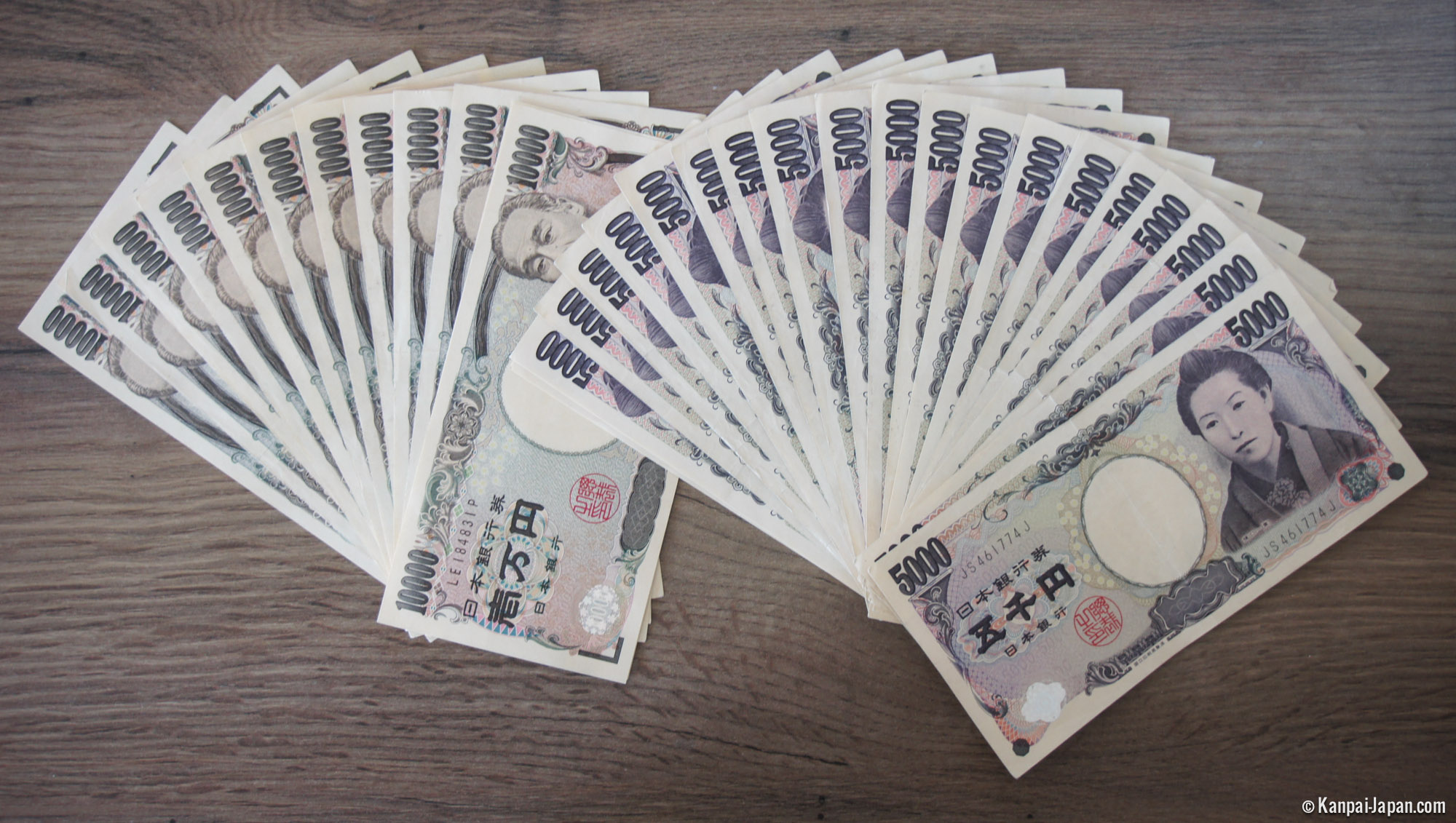
The Japanese yen posted gains against the dollar after the Bank of Japan’s decision to maintain its benchmark interest rate at 0.5% was accompanied by two dissenting votes from board members advocating for an immediate rate hike. This rare display of internal discord at the traditionally consensus-driven central bank sent shockwaves through financial markets, with analysts scrambling to reassess the timeline for Japanese monetary tightening.
“This was unexpected and suggests that perhaps policy rate hikes may be coming sooner than anticipated,” observed David Chao, global market strategist for Asia-Pacific at Invesco. The dissent transforms the BOJ’s next policy meeting on October 30 into what Chao described as “a live meeting” and potentially “the best chance for a rate hike for the rest of this year.”
The surprise came despite data released earlier Friday showing Japan’s core consumer prices rising at their slowest pace in nine months, typically a signal that would support dovish monetary policy. Capital Economics analysts noted the unusual nature of the dissent, writing, “While it’s not unusual for board members to dissent when policy is changed, dissents are less common when policy is being kept unchanged. Certainly, dissents by two board members are very unusual.”
Market attention now turns to BOJ Governor Kazuo Ueda’s press conference for further insights into the central bank’s thinking, with his comments carrying additional weight given the backdrop of Japan’s Liberal Democratic Party leadership race to replace outgoing Prime Minister Shigeru Ishiba.
Meanwhile, across the Pacific, the dollar faces mounting pressure from political developments surrounding the Trump administration’s aggressive policy agenda. The U.S. Supreme Court has scheduled November 5 arguments regarding the legality of Trump’s sweeping global tariffs, marking a critical test of presidential executive power that has become central to the administration’s economic strategy.
The administration’s challenges to Federal Reserve independence are also escalating, with an unprecedented request to the Supreme Court for permission to remove Fed Governor Lisa Cook from her position. Such a move would mark the first forced removal of a Fed governor since the central bank’s establishment in 1913, raising serious concerns about the autonomy of monetary policy.
These political tensions emerge as markets are increasingly betting on continued Fed easing, with futures markets now pricing in an 89.8% probability of a 25-basis-point rate cut at the October meeting, up from 87.4% the day before.
European currencies faced their own challenges, with the euro slipping 0.1% to $1.1773 as France grappled with massive anti-austerity protests involving hundreds of thousands of demonstrators. The British pound fell more sharply, dropping 0.3% to $1.3512, after government borrowing figures significantly exceeded official forecasts that underpin the UK’s fiscal planning.
The Bank of England’s decision Thursday to hold rates steady while slowing its bond portfolio reduction program reflected the delicate balancing act facing central banks globally as they navigate between inflation concerns and economic growth imperatives.
In the Asia-Pacific region, the New Zealand dollar extended its decline, falling 0.4% to $0.5861 following disappointing GDP data, while the Australian dollar slipped 0.3% to $0.6594. The offshore Chinese yuan remained relatively stable at 7.1111 per dollar, reflecting Beijing’s continued efforts to maintain currency stability amid global uncertainties.
Despite the political turbulence, foreign appetite for U.S. assets remains robust, with Treasury Department data showing overseas holdings of U.S. Treasuries reaching record levels in July for the third consecutive month, led by increased purchases from Japan and the United Kingdom.
As markets digest these developments, the interconnected nature of global monetary policy and political risk has never been more apparent, with central bank decisions increasingly viewed through the lens of broader geopolitical implications.
The coming weeks promise to be pivotal as the BOJ’s October meeting approaches and the Supreme Court prepares to weigh in on the limits of executive power over both trade policy and Federal Reserve governance.
WHAT YOU SHOULD KNOW
Global financial markets are at a critical juncture as central banks face unprecedented political pressure. The Bank of Japan’s surprise internal dissent signals potential rate hikes sooner than expected, while the Trump administration’s attacks on Federal Reserve independence—including an unprecedented attempt to fire a Fed governor—threaten the foundation of monetary policy autonomy.
With the Supreme Court set to rule on Trump’s tariff powers and the BOJ’s next meeting now pivotal for rate decisions, investors should prepare for heightened volatility as the traditional separation between politics and central banking continues to erode worldwide.