In a significant development for Nigeria’s power sector, the Bureau of Public Enterprises has unveiled plans to list two electricity distribution companies and one generation company on the Nigerian Exchange, marking what could be the most substantial public offering in the country’s power sector history.
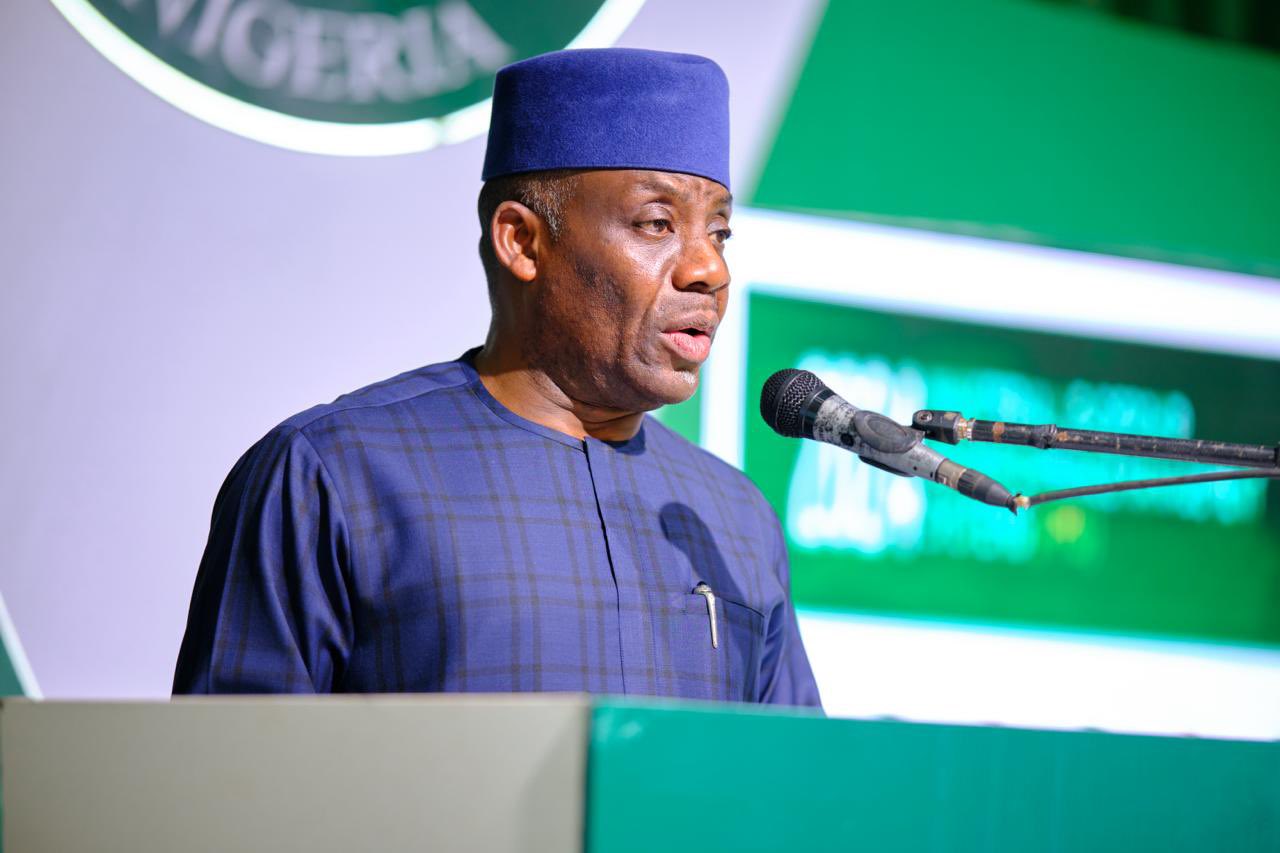
The announcement came during Director-General Ayodeji Gbeleyi’s first major press briefing since taking office in mid-2024, signaling the government’s renewed commitment to privatization and market-driven reforms in critical infrastructure sectors.
Opening the Power Sector to Public Ownership
The planned listings will be executed through Initial Public Offerings (IPOs), involving the federal and state governments’ residual ownership stakes in these power companies. Currently, the federal government holds 40% equity in distribution companies, while state governments maintain 30% stakes in these critical infrastructure assets.
While Gbeleyi declined to identify the specific companies targeted for listing, citing the “sensitivity of the matter,” the move represents a paradigm shift in how Nigeria approaches public enterprise management. The country operates 11 electricity distribution companies, including major operators like Abuja Electricity Distribution Company, Eko Electricity Distribution Company, and Ikeja Electricity Distribution Company, among others, serving different regions across the federation.
“We intend to drive shared prosperity and inclusiveness by listing part of the FGN/States’ 40%/30% residual shares in certain Discos and a Genco on the stock exchange,” Gbeleyi explained, emphasizing that the initiative would democratize ownership of critical power infrastructure while strengthening corporate governance standards.
Ambitious Revenue Targets Amid Mixed Results
The power sector listings form part of a broader strategic initiative by the BPE to generate N312.3 billion in revenue for 2025 through 15 strategic transactions. This ambitious target includes six revenue-generating projects and nine reform-based initiatives, reflecting the government’s accelerated privatization agenda.
The bureau has already demonstrated significant progress this year, raising N170.74 billion through major transactions. The successful concession of the Zungeru Hydropower Plant generated N101.5 billion, while the Afam III Fast Power project contributed N53.92 billion to government coffers. However, the track record reveals both successes and challenges, with several planned transactions involving coal blocks, non-core telecommunications assets, and additional hydropower concessions either underperforming or still in progress.
Broader Privatization Landscape
Since its establishment in 1999 as the Secretariat of the National Council on Privatisation, the BPE has completed 243 transactions, fully or partially privatizing 109 public entities. Yet significant assets remain under government control, with 91 entities still awaiting reform action. These include some of Nigeria’s most strategically important facilities: refineries, airports, railways, and steel complexes.
The refineries issue appears particularly pressing for the current administration. While Gbeleyi avoided detailed discussion of the petroleum facilities, he confirmed they remain among the “major state-owned enterprises yet to see action” and indicated that plans are underway to “concession refineries, storage, and pipeline facilities” in the oil and gas sector.
“The debate has gone beyond whether to privatize the refinery,” he said, suggesting that conversations should now focus on how best to reposition the facilities to deliver value to Nigerians and stop the drain on public resources.
Defending the Privatization Record
Gbeleyi mounted a robust defense of Nigeria’s privatization program, pointing to measurable economic gains across multiple sectors. The telecommunications revolution stands as perhaps the most compelling success story, with the sector expanding from a mere 400,000 active lines under the state-owned NITEL to over 169 million subscribers today. The telecommunications sector now contributes 14.4% to Nigeria’s Gross Domestic Product, demonstrating the potential impact of well-executed privatization initiatives.
The BPE chief emphasized that the bureau’s focus remains on “creating a more efficient and competitive public enterprise landscape,” with each transaction designed to advance broader economic reform objectives.
Market Implications and Future Outlook
The planned listings represent a significant opportunity for Nigerian investors to acquire stakes in critical power infrastructure, potentially improving sector performance through enhanced corporate governance and private sector efficiency. The move also aligns with global trends toward infrastructure investment and could attract both domestic and international investors seeking exposure to Nigeria’s power sector.
As Gbeleyi noted, the Bureau has “set sail on re-engineering the reform and privatization of public enterprises, one transaction at a time,” suggesting this power sector initiative may be the first of several major public offerings designed to reshape Nigeria’s economic landscape.
The success of these listings could serve as a template for future privatizations of the remaining 91 government-controlled entities, potentially accelerating Nigeria’s transition toward a more market-oriented economy. With the government facing mounting fiscal pressures and infrastructure investment needs, the privatization program appears poised to play an increasingly central role in Nigeria’s economic strategy.
WHAT YOU SHOULD KNOW
The Nigerian government is taking a historic step by listing two electricity distribution companies and one generation company on the stock exchange, allowing ordinary Nigerians to own shares in critical power infrastructure for the first time.
This move is part of an ambitious N312.3 billion privatization drive that has already raised N170.74 billion in 2025, with the government signaling that major state assets like refineries, airports, and railways are next in line for reform.