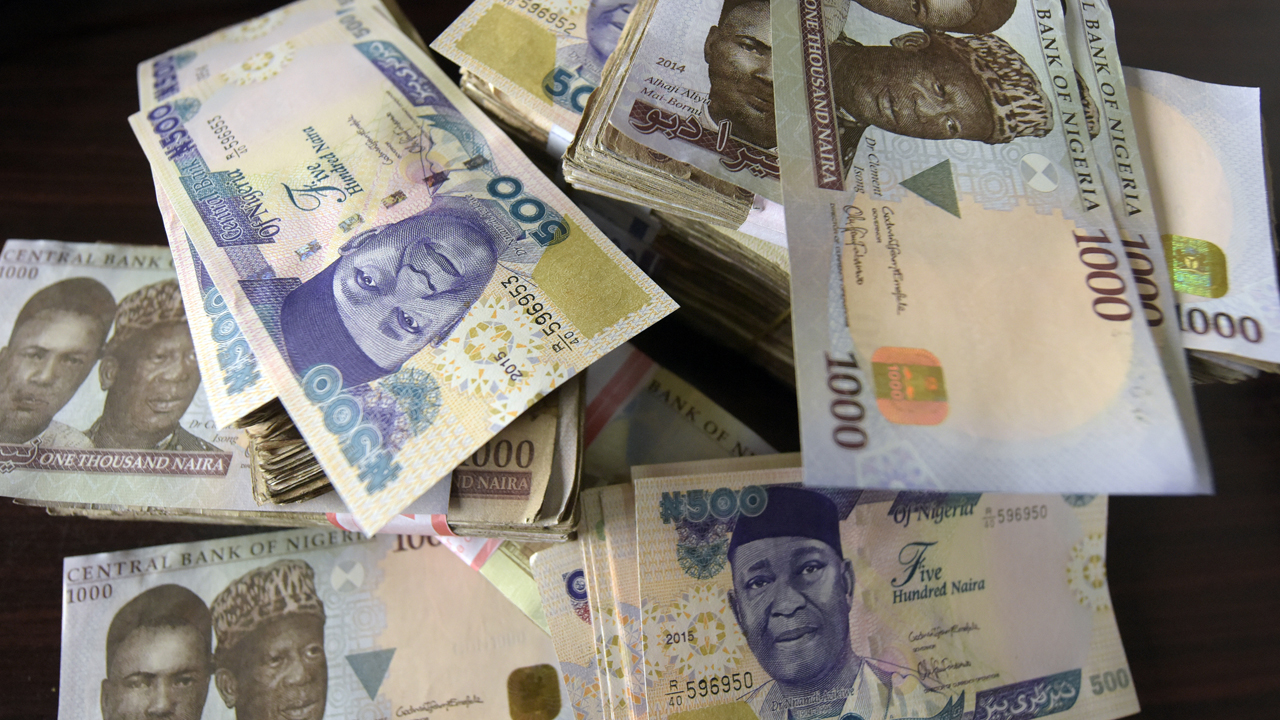
The Nigerian naira demonstrated unexpected resilience on Friday, posting gains across both official and parallel foreign exchange markets in a week marked by global currency volatility and mounting political tensions in the United States.
The local currency strengthened to N1,545 per dollar in the parallel market, up from N1,552 the previous day, while official trading on the Nigerian Foreign Exchange Market (NFEM) saw the naira appreciate to N1,531 per dollar from N1,533. This represents a 0.14% monthly gain against the American currency, signaling a potential turning point for Africa’s most populous economy.
Diaspora Remittances Drive Recovery
The currency’s improved performance comes as Nigeria experiences a dramatic surge in foreign exchange inflows, with diaspora remittances emerging as a key driver of stability. Central Bank of Nigeria (CBN) Governor Yemi Cardoso revealed that remittances from Nigerians abroad have tripled, jumping 200% to $600 million over the past two months.
“This significant boost to Nigeria’s foreign exchange profile represents a fundamental shift in how we approach currency stability,” Cardoso stated, emphasizing that improved remittance channels have eliminated the need for alternative transfer methods that previously bypassed official channels.
The remittance surge, coupled with cautious but growing foreign portfolio investment, has bolstered Nigeria’s external reserves by $1.72 billion to $41.3 billion within the month. Offshore investor inflows increased from $1.5 billion in June to $1.7 billion, reflecting measured confidence in Nigeria’s economic trajectory despite global uncertainties.
Diversification Strategy Pays Dividends
Perhaps most significantly, these developments mark Nigeria’s gradual reduction in dependence on oil revenues—a strategic shift that economists have long advocated. The diversification of foreign exchange sources through diaspora flows provides a more stable foundation for currency management, particularly as global oil markets remain volatile.
US Dollar Faces Political Headwinds
While the naira gained ground, the US dollar’s trajectory remains clouded by unprecedented political interference in Federal Reserve operations. Despite finishing the week positive, the Dollar Index (DXY) continues trading below 98, maintaining its position near the lower end of its annual range.
The currency’s struggles reflect deeper institutional concerns as President Trump intensifies efforts to reshape the Federal Reserve’s leadership structure. His attempts to remove Fed Governor Lisa Cook, who has filed a lawsuit to defend her position, represent an escalation in what critics describe as the politicization of monetary policy.
Fed Governor Christopher Waller’s recent statement opposing a 50-basis-point rate cut in September appears designed to maintain institutional credibility, but options pricing suggests investors expect continued dollar weakness amid the ongoing political turmoil.
Global Implications and Geopolitical Tensions
The currency dynamics unfold against a backdrop of rising geopolitical tensions. Peace efforts between Russia and Ukraine appear increasingly fragile, with German Chancellor Friedrich Merz casting doubt on prospects for a Putin-Zelensky meeting despite earlier White House optimism following Trump’s meeting with Putin in Alaska.
A deadly Russian missile strike on Kyiv that killed at least 23 people and damaged diplomatic facilities underscored the deteriorating security situation, adding another layer of uncertainty to global markets.
Economic Outlook and Policy Implications
For Nigeria, the current trajectory suggests a potential stabilization period for the naira, provided external reserve growth continues and diaspora flows remain robust. However, the sustainability of this recovery depends heavily on maintaining investor confidence and managing domestic inflationary pressures.
The broader lesson emerging from Nigeria’s experience points to the value of economic diversification and the critical role of diaspora communities in supporting home-country currencies during periods of global uncertainty.
As markets brace for upcoming US labor market data and inflation figures that could influence Federal Reserve policy, Nigeria’s relative currency stability offers a compelling case study in how emerging economies can navigate global financial turbulence through strategic policy adjustments and diversified foreign exchange sources.
WHAT YOU SHOULD KNOW
The Nigerian naira has strengthened against the US dollar, driven by a remarkable 200% surge in diaspora remittances to $600 million and growing foreign investment that boosted Nigeria’s reserves by $1.72 billion.
This signals Nigeria’s successful shift away from oil-dependency toward a more diversified foreign exchange base, providing currency stability even as the US dollar faces political pressures from Trump’s interference with Federal Reserve operations.