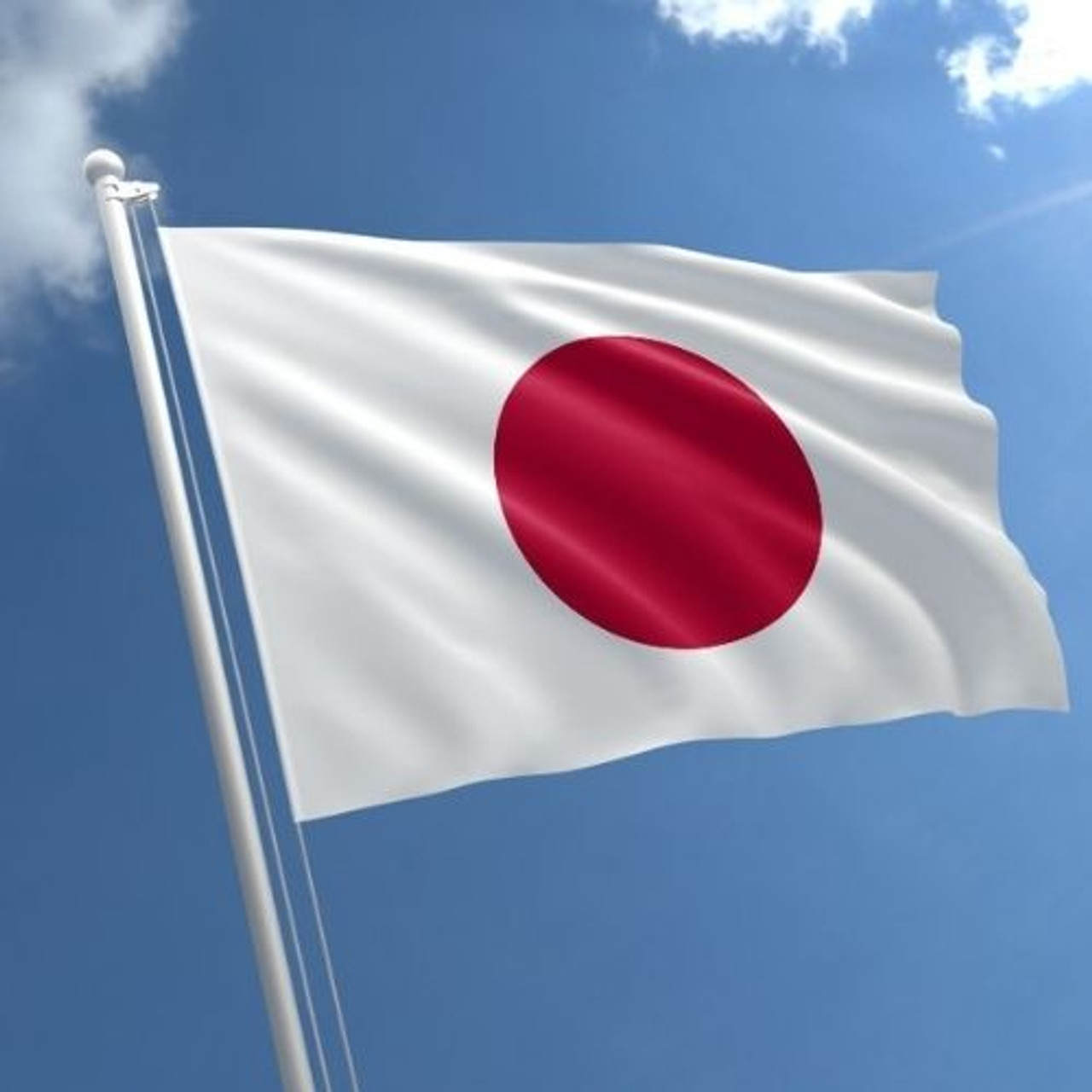
High-stakes trade negotiations between Japan and the United States have reached an impasse after the Trump administration reportedly demanded expanded Japanese purchases of American rice, prompting Tokyo to lodge strong objections that officials characterized as interference in domestic policy matters.
The diplomatic friction came to a head Thursday when Ryosei Akazawa, Japan’s chief trade negotiator and minister for economic policy, abruptly canceled a scheduled trip to Washington. The move, announced by a government spokesperson without elaboration beyond citing “points that need to be discussed at the administrative level,” has effectively stalled progress on finalizing a landmark July agreement that would reduce U.S. tariffs on Japanese imports from 15% to lower levels.
According to sources cited by Japan’s influential Nikkei business newspaper, the breakdown centers on what Japanese officials view as an eleventh-hour modification to existing agreements. The Trump administration’s revised demands allegedly include binding commitments for Japan to increase purchases of U.S. rice beyond levels previously negotiated, a move that one unnamed Japanese official denounced as crossing red lines into “interference in domestic affairs.”
The dispute represents a significant departure from understandings reached in July, when both sides appeared to have crafted a carefully balanced framework. Under that initial agreement, the White House claimed Japan would boost American rice purchases by 75%, while Prime Minister Shigeru Ishiba maintained that any increases would occur within existing tariff-free arrangements without undermining Japanese agricultural interests.
At stake is far more than the rice trade. Akazawa’s canceled Washington visit was intended to put finishing touches on a massive $550 billion investment package that would channel Japanese government-backed loans and guarantees toward U.S.-bound projects. The specifics of this substantial financial commitment remain largely under wraps, adding another layer of complexity to already delicate negotiations.
Japanese officials have made clear their position: they want concrete changes to existing presidential executive orders that create overlapping tariffs on Japanese goods before they’ll agree to release detailed documentation about the investment package. This standoff reflects deeper concerns in Tokyo about operating under agreements that lack formal, written frameworks.
The political ramifications in Japan are already becoming apparent. Opposition leader Yuichiro Tamaki of the Democratic Party for the People seized on the confusion Saturday, questioning the Ishiba government’s handling of the negotiations and calling for greater transparency. In a pointed social media post, Tamaki highlighted what he characterized as the inherent dangers of conducting international trade policy without formal written agreements.
“Because there is no written agreement, we cannot confirm what the problem is,” Tamaki stated, underlining concerns that have resonated across Japan’s political spectrum about the informal nature of current arrangements.
The opposition leader’s criticism carries particular weight given the potential domestic implications. Any new agricultural concessions would likely require legislative approval in Japan, where farming constituencies wield considerable political influence despite representing a relatively small portion of the economy.
Tamaki also raised concerns about “heightened uncertainty” facing Japan’s crucial automotive industry and its workforce, suggesting the trade dispute could have ripple effects across multiple sectors. His call for Ishiba to convene an emergency parliamentary session reflects growing pressure on the government to provide clearer explanations of its trade strategy.
The current impasse illustrates the complex dynamics at play in U.S.-Japan economic relations under the Trump administration’s approach to trade policy. While both nations have emphasized their alliance and mutual economic interests, fundamental disagreements remain about the scope and methods of trade adjustments.
For Japan, agricultural policy represents particularly sensitive terrain. The country has historically protected its farming sector through various mechanisms, and rice holds special cultural and economic significance. Any perception that external pressure is dictating domestic agricultural policy could prove politically explosive.
The timing of the dispute is also notable, coming as both countries navigate broader economic challenges and shifting global trade patterns. The substantial investment package at the center of negotiations represents one of the largest financial commitments between allied nations in recent years, making the successful resolution of current differences all the more crucial.
Neither the Japanese government offices involved nor the U.S. embassy in Tokyo responded to requests for comment, maintaining the veil of diplomatic silence that has characterized much of the recent negotiations.
As the standoff continues, both sides face pressure to find face-saving solutions that address core concerns while preserving the broader strategic relationship. The resolution of this dispute will likely set important precedents for how the two allies navigate future trade disagreements and could influence broader patterns of international economic cooperation.
The coming days will test whether diplomatic channels can bridge the gap between American demands for expanded market access and Japanese insistence on maintaining sovereignty over agricultural policy decisions.
WHAT YOU SHOULD KNOW
Japan-U.S. trade negotiations have stalled after the Trump administration demanded Japan commit to buying more American rice beyond previously agreed levels. Japan’s chief negotiator canceled his Washington trip, calling the demand “interference in domestic affairs.”
This dispute threatens a $550 billion Japanese investment package and highlights the risks of conducting major trade deals without formal written agreements. The breakdown over rice—a politically sensitive agricultural product in Japan—could have broader implications for the U.S.-Japan economic relationship and future trade negotiations between the allies.