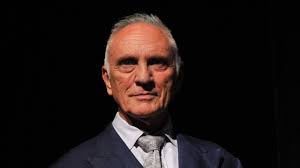
Hollywood is mourning the loss of Terence Stamp, the distinguished British actor whose career spanned more than six decades and left an indelible mark on both independent film and blockbusters.
His family confirmed his death but did not specify the cause, with the family stating he “leaves behind an extraordinary body of work, both as an actor and as a writer that will continue to touch and inspire people for years to come.”
Stamp became synonymous with Swinging London in the 1960s, first rising to prominence in the 1962 film “Billy Budd” in the titular role. The performance launched what would become one of British cinema’s most distinctive careers, establishing him as a leading man during the cultural revolution of 1960s Britain.
However, it was his later reinvention as a character actor that brought Stamp his most enduring fame. His memorable portrayal of the arch-villain General Zod in 1980‘s “Superman II” became a defining role that introduced him to a new generation of moviegoers.
The performance, with its imperious delivery and commanding screen presence, cemented Stamp’s place in popular culture and demonstrated his ability to transition from romantic leading man to compelling antagonist.
Stamp’s career exemplified artistic reinvention. After establishing himself as a heartthrob of British New Wave cinema, he successfully navigated changing film landscapes, taking on increasingly diverse and challenging roles. His later work included notable performances in “The Adventures of Priscilla, Queen of the Desert”, showcasing his versatility and willingness to embrace unconventional projects.
Described as an “Oscar nominee” and “character actor extraordinaire,” Stamp was recognized as “one of the most multi-faceted actors of his generation” by industry observers. His ability to command attention in both leading and supporting roles made him a sought-after performer across multiple decades.
The news of Stamp’s passing has prompted reflection on a career that bridged multiple eras of filmmaking. From the experimental energy of 1960s British cinema to the blockbuster spectacle of superhero films, Stamp maintained a distinctive screen presence that made him instantly recognizable to audiences worldwide.
His death represents the loss of one of the last surviving stars from the golden age of British cinema, a performer who successfully adapted to changing industry demands while maintaining his unique artistic identity. Stamp’s influence extended beyond his memorable performances, serving as a bridge between classical Hollywood glamour and modern character acting.
The entertainment industry mourns the passing of an actor whose career spanned from the cultural upheaval of the Swinging Sixties to the digital age of cinema, leaving behind a body of work that captures both the intimacy of art-house drama and the grandeur of blockbuster entertainment.
WHAT YOU SHOULD KNOW
Terence Stamp, the legendary British actor whose six-decade career spanned from 1960s stardom to his iconic role as Superman’s General Zod, has died at 87, leaving behind a lasting legacy of versatility and reinvention in cinema.