The President of the United States of America, Donald Trump, has officially imposed a 15 percent tariff on Nigeria, Zimbabwe, Zambia, Uganda, Mozambique, Mauritius, Ghana, Malawi, Lesotho, Madagascar, and other African countries, marking a significant escalation in what economists are calling the most comprehensive trade war in decades.
The latest tariff announcement represents an increase from the 14% tariff on Nigerian goods that Trump first imposed in April 2025, demonstrating the administration’s commitment to what it terms “reciprocal trade policies.” The move affects multiple African nations simultaneously, signaling a broader shift in U.S.-Africa trade relations.
Economic Warfare Goes Global
Using his IEEPA authority, President Trump will impose a 10% tariff on all countries, serving as a baseline for what the administration describes as individualized tariff rates based on trade deficits and economic relationships. A universal 10% tariff took effect on April 5. Additional country-specific tariffs were suspended after the 2025 stock market crash but went into effect on August 7.
The tariff structure reveals a calculated approach to international trade pressure. Japan and South Korea, which both have security relationships with the US, were hit with 15% tariffs, likely due to their large trade surpluses with the US, while Asian nations now face average tariffs of 22.1%.
Nigeria’s Measured Response
In a diplomatic departure from typical trade war rhetoric, Nigeria has chosen restraint over retaliation. The Nigerian government avoided retaliation. Instead, Trade Minister Jumoke Oduwole said Nigeria would contact the WTO to find a mutually beneficial solution.
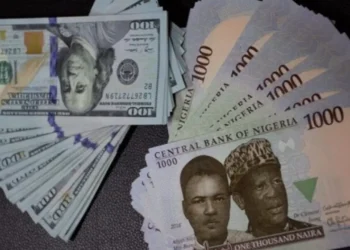
This measured response comes despite the significant economic implications for bilateral trade. Nigeria’s trade with the United States printed a combined N31.1 trillion between 2015 and 2024 (10 years), according to data from the NBS, representing a substantial economic relationship now under strain.
The U.S. administration justifies the tariff by pointing to existing Nigerian trade barriers. Exports from Nigeria to the US will attract a 14% tariff compared to the 27% that the US government claims it receives from Nigeria, framing the policy as correcting trade imbalances.
Market Chaos and Global Impact
The announcement of Trump’s comprehensive tariff regime has sent shockwaves through global financial markets. The announcement sent shockwaves through the global economy, triggering the worst two-day loss in United States stock market history. On Thursday and Friday alone, $6.6 trillion in value was wiped out before markets closed for the weekend.
The scale of the trade conflict extends far beyond any single country or region. Tariffs under the IEEPA also sparked a trade war with Canada and Mexico and escalated the China–United States trade war, creating a multi-front economic conflict that economists warn could reshape global trade patterns.
Expert Concerns and Currency Impact
Financial analysts are raising alarms about the broader implications for affected economies. Nigerian experts have expressed particular concern about the impact on the country’s already weakened currency, with fears that reduced export competitiveness could further pressure the naira.
The tariff escalation follows a pattern of increasing trade tensions that began with targeted measures against major trading partners and has now expanded to encompass dozens of countries worldwide. On 2 April 2025, following tariff increases in February and March on imports from Canada, Mexico, and China covering steel, aluminum, and cars, the US announced sweeping so-called “reciprocal” tariffs affecting most of its trade partners.
Looking Ahead
As the global economy grapples with this new trade reality, the question remains whether Trump’s strategy will achieve its stated goals of reducing trade deficits and promoting American economic interests, or whether it will trigger a spiral of retaliatory measures that could harm global growth.
For Nigeria and other affected African nations, the challenge now lies in navigating this new trade landscape while protecting their economic interests and maintaining diplomatic relationships with the United States. The coming months will test whether multilateral institutions like the WTO can provide effective mechanisms for resolving these trade disputes or if the world is entering a prolonged period of economic nationalism and fragmented global commerce.
WHAT YOU SHOULD KNOW
Nigeria now faces a 15% tariff on its exports to the United States as President Trump launches an unprecedented global trade war affecting dozens of countries. While this escalation threatens Nigeria’s N31.1 trillion trade relationship with the U.S., the country has chosen diplomatic restraint over retaliation, working through the WTO for resolution.
The broader conflict has already triggered historic market losses, wiping out $6.6 trillion in just two days, signaling that this trade war could fundamentally reshape global commerce and economic relationships for years to come.