The Independent National Electoral Commission (INEC) and the Nigerian Correctional Service (NCoS) have resolved to jointly approach the National Assembly for the establishment of a clear legal framework that would enable eligible inmates to participate in elections.
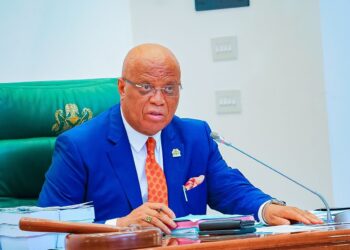
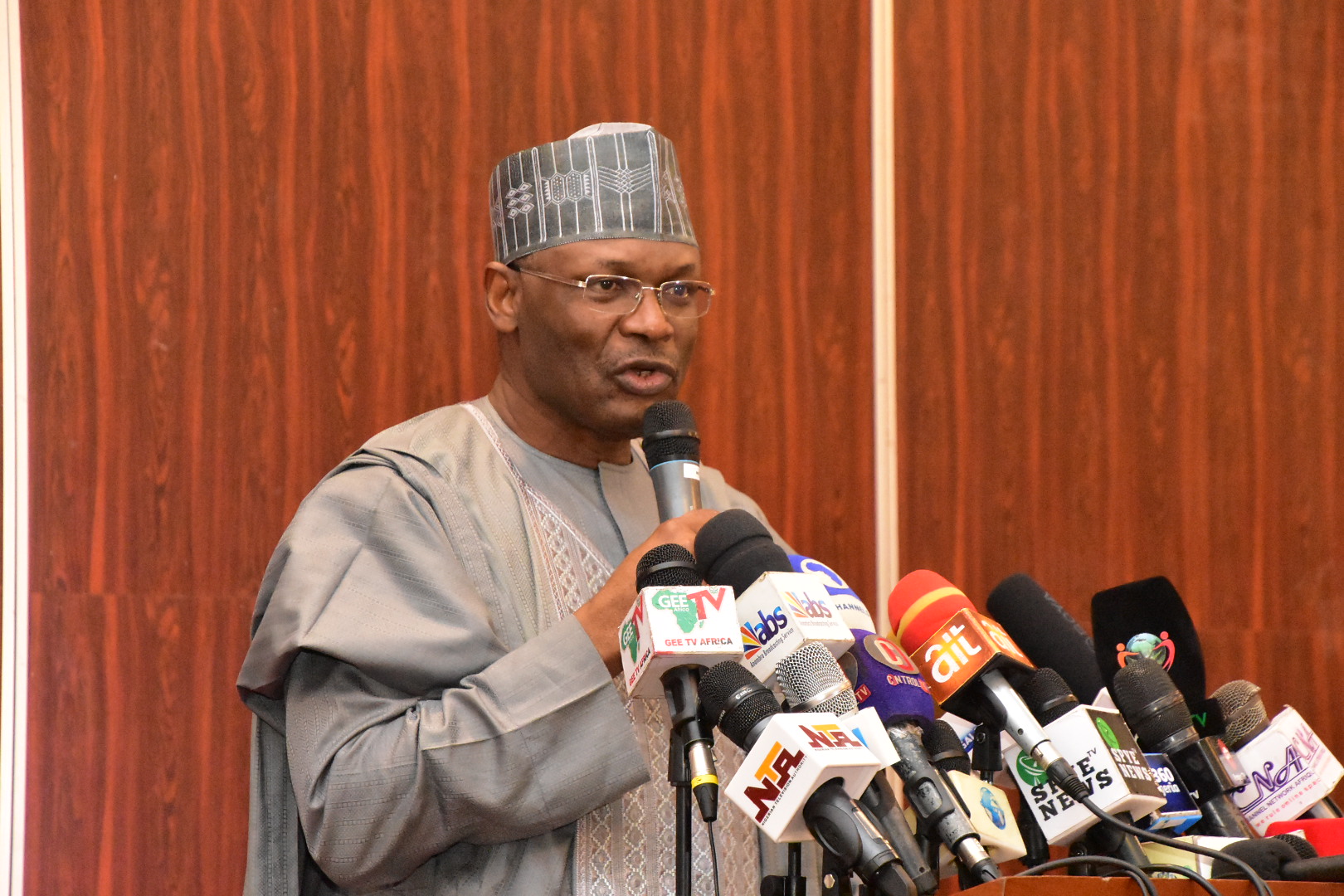
This decision was disclosed by INEC Chairman, Prof. Mahmood Yakubu, on Friday while receiving the NCoS management team led by Controller General Sylvester Nwakuche.
“Our immediate task is to engage with the National Assembly for a clear legal provision on inmate voting. Thereafter, we can address the specific issues that may arise in the course of implementation,” Yakubu stated. He stressed that voting is a fundamental human right that should not be denied to citizens solely because they are serving time in correctional facilities.
Yakubu pointed out that in several countries, including Ghana, Kenya, and South Africa, inmates are permitted to vote—a fact observed by INEC officials during elections in those countries. He added that Nigeria could use the ongoing electoral reforms to formalize similar provisions for citizens in correctional custody.
The INEC chief referenced two judicial rulings affirming inmates’ voting rights: a Federal High Court decision on December 16, 2014, and a Court of Appeal ruling on December 7, 2018. Both judgments upheld the right of five plaintiffs awaiting trial to vote, citing Article 25 of the International Covenant on Civil and Political Rights (1966) and Section 25 of the Nigerian Constitution (1999, as amended). However, the courts clarified that voting is a voluntary right, not an obligation imposed by the authorities.
Yakubu recalled that INEC and NCoS had previously formed a joint technical committee to assess the practicalities of inmate voting. The Correctional Service provided nationwide data on its facilities and inmate categories, most of whom are on remand and could already be registered voters.
INEC, in turn, raised logistical considerations, including voter registration access, polling unit creation, voter education, observer and media access, and whether political parties could campaign or appoint polling agents inside correctional centres. Yakubu said these matters must be addressed collaboratively for transparency and effective implementation.
He also noted that clarifying Section 12(1)(e) of the Electoral Act 2022—which restricts voting to Nigerian citizens “not subject to any legal incapacity”—is crucial, as interpretations vary regarding inmates on death row, serving life sentences, or convicted for treason.
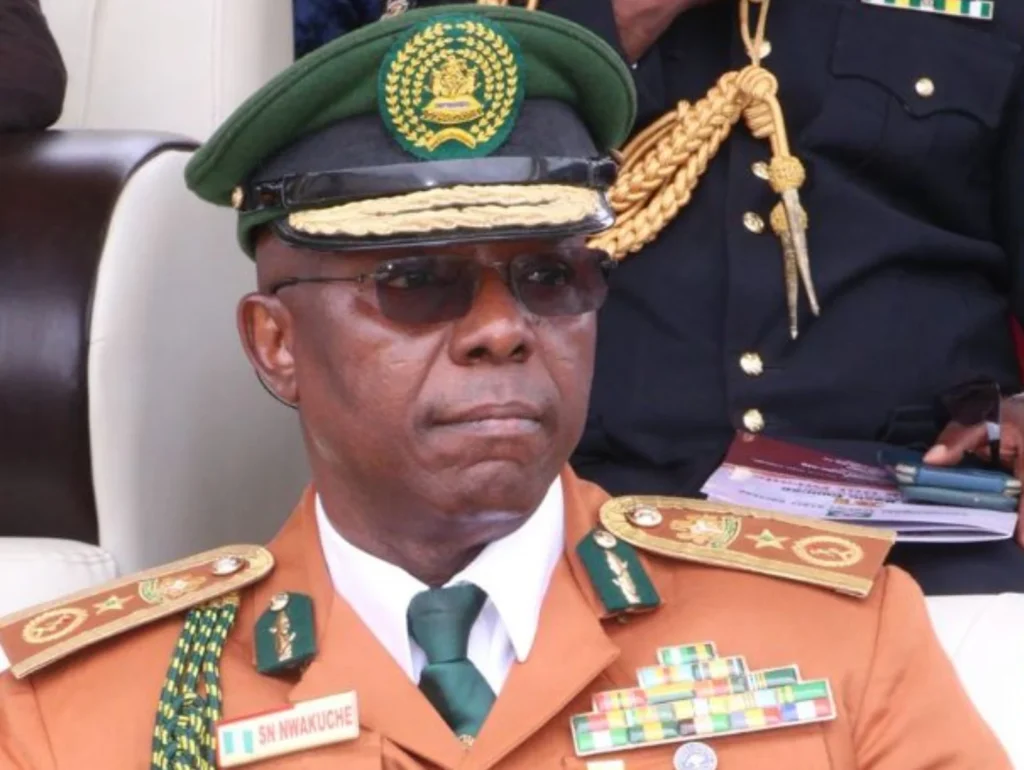
NCoS boss Sylvester Nwakuche emphasized that the more than 81,000 inmates in Nigeria’s 257 custodial centres are currently excluded from voting, even though 66 percent are awaiting trial. He reiterated a court ruling affirming that inmates retain the right to vote in elections and urged that this be fully implemented.
What you should know
INEC and NCoS are uniting to push for legislation that will clearly outline the rights and procedures for inmates to vote in Nigeria.
While court rulings have already upheld this right for those awaiting trial, practical challenges — including legal clarity, facility access, and political party engagement — remain unresolved. The move could impact over 81,000 inmates nationwide, two-thirds of whom have not been convicted but are awaiting trial.