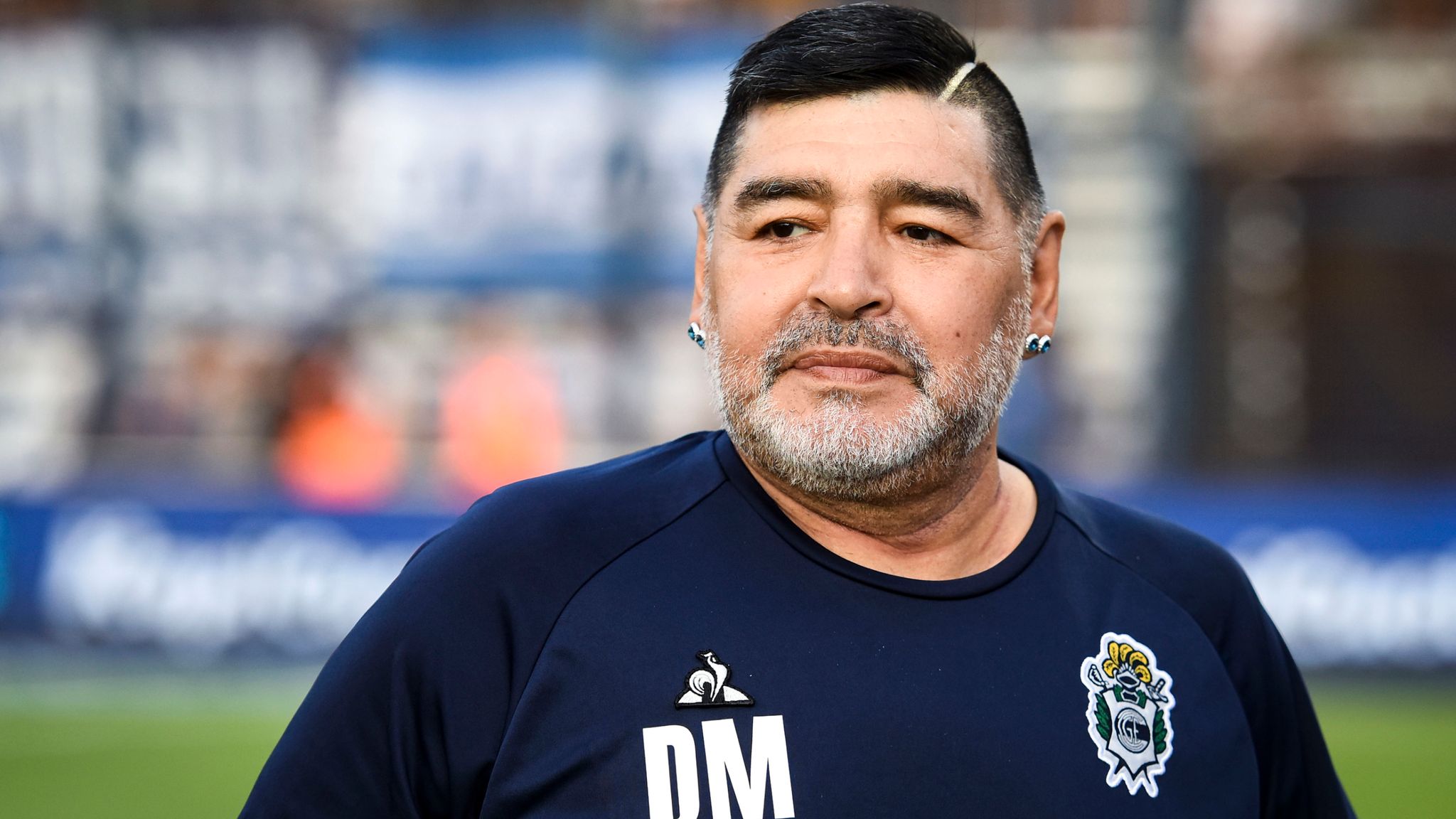
The panel of judges newly appointed to preside over the trial concerning the death of Argentine football icon Diego Maradona has dismissed a motion filed by the defense seeking the removal of two of its members.
The legal team representing Leopoldo Luque, Maradona’s personal doctor and one of the seven individuals charged in the case, argued that the two judges might lack impartiality. However, the judicial panel rejected the claim, labeling it as speculative and unsupported by concrete evidence.
This latest development comes after the initial trial collapsed in May under dramatic circumstances when one of the judges was found to have secretly participated in a documentary project focusing on the case. The revelation forced the proceedings to a halt and prompted the appointment of a new three-judge bench in July, marking a fresh start for the highly anticipated legal battle.
The defense’s attempt to disqualify two members of the new bench was rooted in concerns over fairness, but the judges maintained that such concerns were unfounded. Describing the basis of the request as “conjecture” and “speculation,” the panel emphasized the lack of any solid grounds to support claims of bias.
As of now, the court has not fixed a new date for the trial, leaving the timeline for the proceedings uncertain. The seven defendants, including Luque, face charges of culpable homicide over what prosecutors have described as a gravely negligent approach to Maradona’s post-surgical care. The case centers on the conditions of the football legend’s recovery following brain surgery, with investigators alleging that his medical team failed to provide adequate supervision and treatment during his home convalescence.
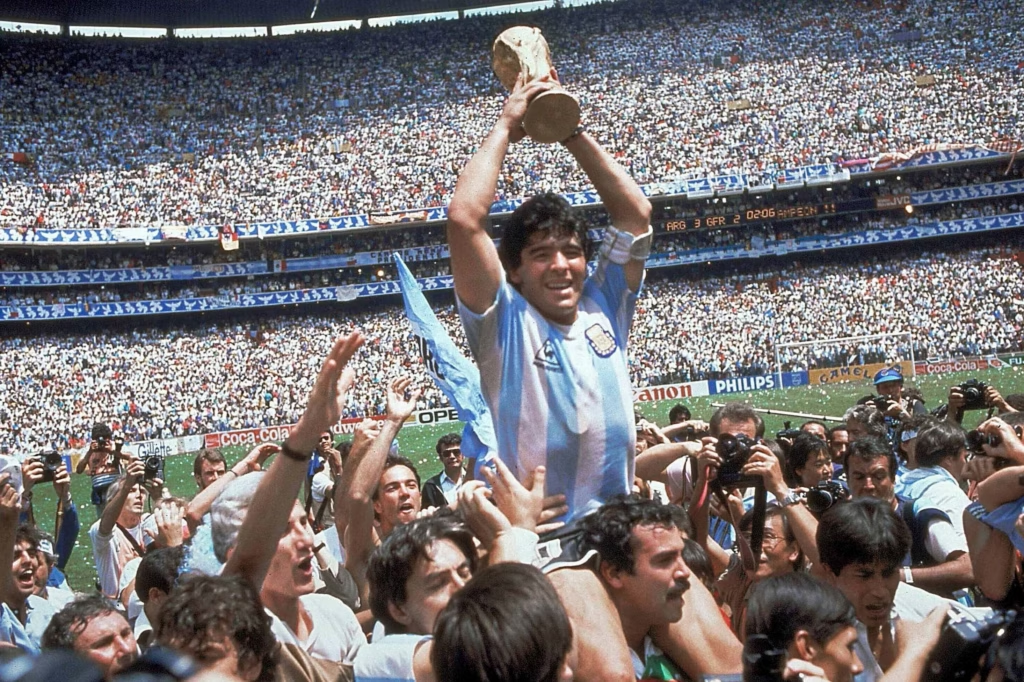
Maradona, widely regarded as one of football’s most gifted and influential players, passed away in November 2020 at the age of 60. He had undergone a brain operation just two weeks prior to his death. An autopsy later revealed that he died of heart failure and acute pulmonary edema, a condition involving fluid buildup in the lungs.
Prosecutors allege that the defendants knowingly allowed the circumstances of his care to deteriorate, and assert that their actions—or inactions—could have foreseeably led to his death. If convicted of the charge of “homicide with possible intent,” which refers to knowingly pursuing a course of action that could result in death, they could face prison sentences ranging from eight to 25 years.
What you should know
The renewed trial over Diego Maradona’s death has been marked by legal controversy and intense scrutiny. With the rejection of the latest recusal request, the case moves closer to trial, where Maradona’s medical team could face severe penalties if found guilty of contributing to his death through neglect or recklessness.