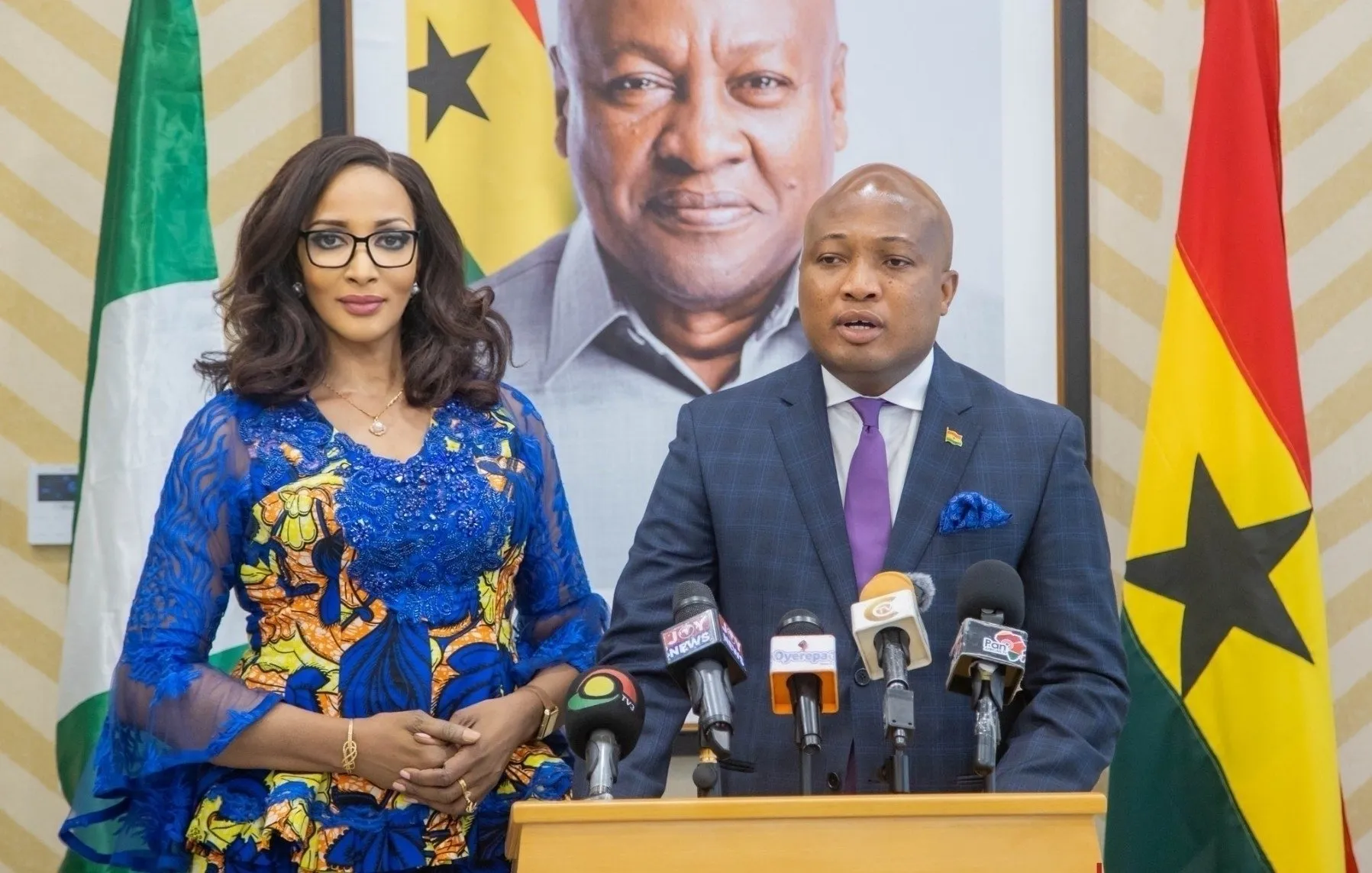
Minister of State for Foreign Affairs, Bianca Ojukwu, has held a crucial meeting with Ghana’s Minister of Foreign Affairs and Regional Integration, Samuel Ablakwa, following a surge of protests in Ghana targeting Nigerians residing in the country.
In a statement released through her official social media platform on Thursday, Ojukwu revealed that the meeting addressed the concerns raised by the demonstrations, which saw some Ghanaian citizens blaming Nigerians for an increase in criminal activities.
“Meeting with the Hon. Minister of Foreign Affairs of Ghana, Hon. Samuel Ablakwa, to address the situation of Nigeria-Ghana citizens’ relations in the aftermath of protests against Nigerians living in Ghana,” she posted.
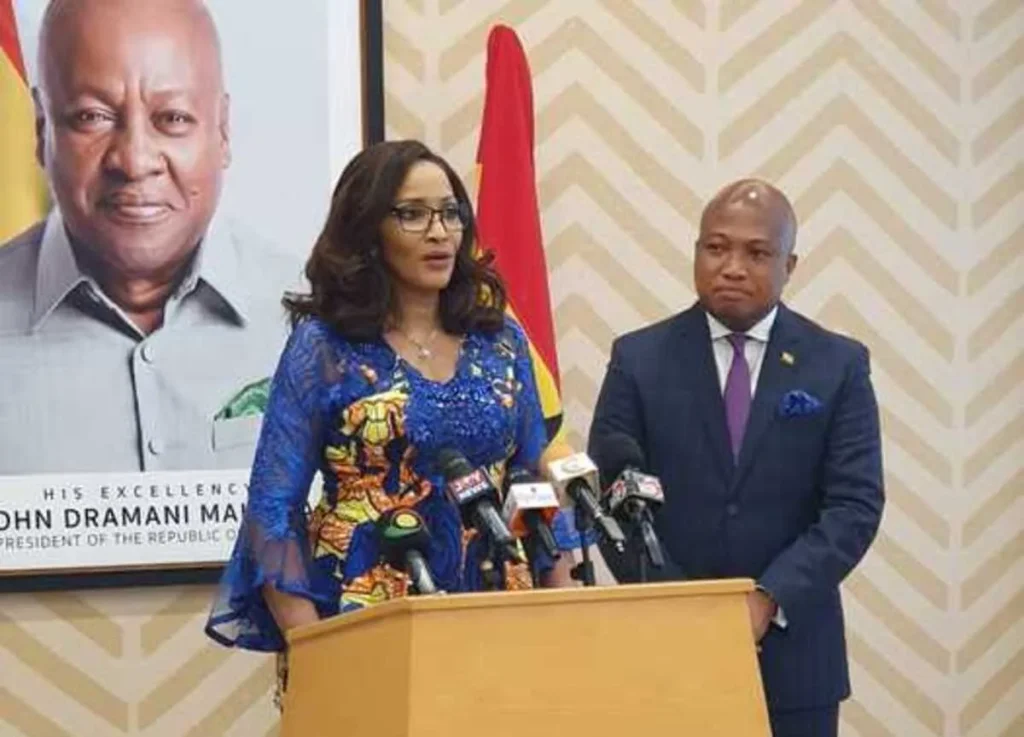
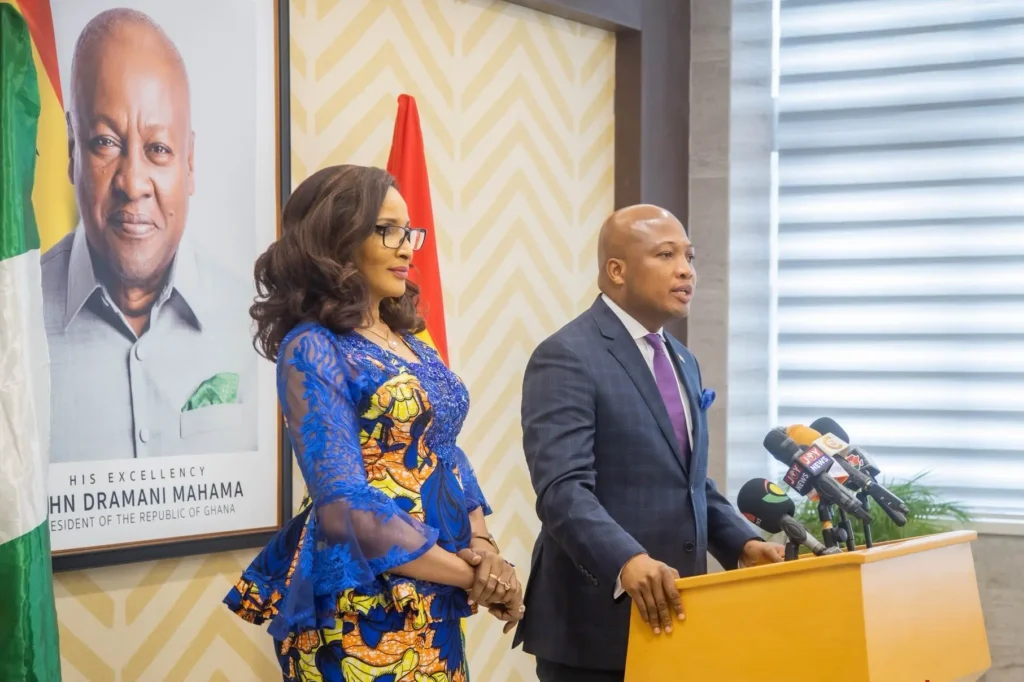
She went on to state, “The Minister assured that the lives, properties and businesses of Nigeria and Nigerians living in Ghana are safe and protected, and that there is certainly no threat of mass deportations of our nationals residing in Ghana.”
This diplomatic engagement follows Ojukwu’s earlier announcement—also shared via Instagram—that she had landed in Accra at 9:30 p.m. the previous night. She was warmly received at Kotoka International Airport by the Ghanaian Inspector-General of Police, signaling the importance of her visit.
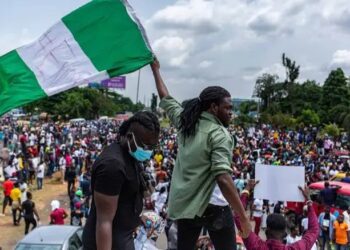
According to Ojukwu, the Federal Government is determined to resolve the matter through diplomatic channels. The unrest, which has been captured in viral videos circulating on social media, features protesters demanding the expulsion of Nigerians due to alleged criminal behavior by foreign residents.
In reaction to these developments, the Nigerians in Diaspora Commission (NiDCOM) on Tuesday called for restraint and strongly condemned the broad-brush accusations labeling all Nigerians as criminals. Abike Dabiri-Erewa, Chairperson of NiDCOM, denounced the allegations as both “unfair and misleading.”
“Nigerians are not criminals. They are good ambassadors wherever they find themselves, while those bad ones should be fished out to face necessary sanctions,” Dabiri-Erewa emphasized in a statement delivered through the commission’s Director of Media, Public Relations and Protocols, Abdur-Rahman Balogun.
She urged both Nigerians and Ghanaians to refrain from making incendiary remarks that could aggravate the situation. Dabiri-Erewa also clarified that there was no credible evidence supporting claims that Nigerian-owned businesses or properties had been attacked in Ghana.
“There is no evidence to that, and we must at all cost try to prevent any reprisal attacks,” she warned.
Further lending his voice to the growing concerns, Senator Aniekan Bassey, who chairs the Senate Committee on Diaspora and Non-Governmental Organisations, condemned the protests as “deeply disturbing and contrary to the spirit of African brotherhood.”
In a statement issued on Tuesday, Senator Bassey—who also serves as a member of the 6th Legislature of the ECOWAS Parliament—called for robust diplomatic dialogue and closer regional cooperation to defuse tensions and restore confidence in bilateral relations.
The Nigerian government’s response signals a proactive stance in safeguarding its citizens abroad while maintaining diplomatic goodwill. As both countries navigate these sensitive developments, continued engagement and clear communication will be essential in preserving long-standing ties and preventing any escalation of hostilities.
What You Should Know
Minister Bianca Ojukwu’s visit to Ghana is part of Nigeria’s diplomatic effort to resolve tensions following anti-Nigerian protests in Accra.
While no verified attacks on Nigerians or their properties have been reported, both nations are under pressure to de-escalate tensions and strengthen regional cooperation.
Ghana has assured Nigeria that no mass deportations will occur, affirming the safety of Nigerian residents.