In a major step toward overhauling Nigeria’s educational support structure, the Federal Government has announced a substantial 50% increase in scholarship grants for students enrolled in tertiary institutions across the country.
This decision, described as the most comprehensive reform of Nigeria’s scholarship system in over a decade, is intended to reduce the financial burden on students and their families while improving access to quality education nationwide.
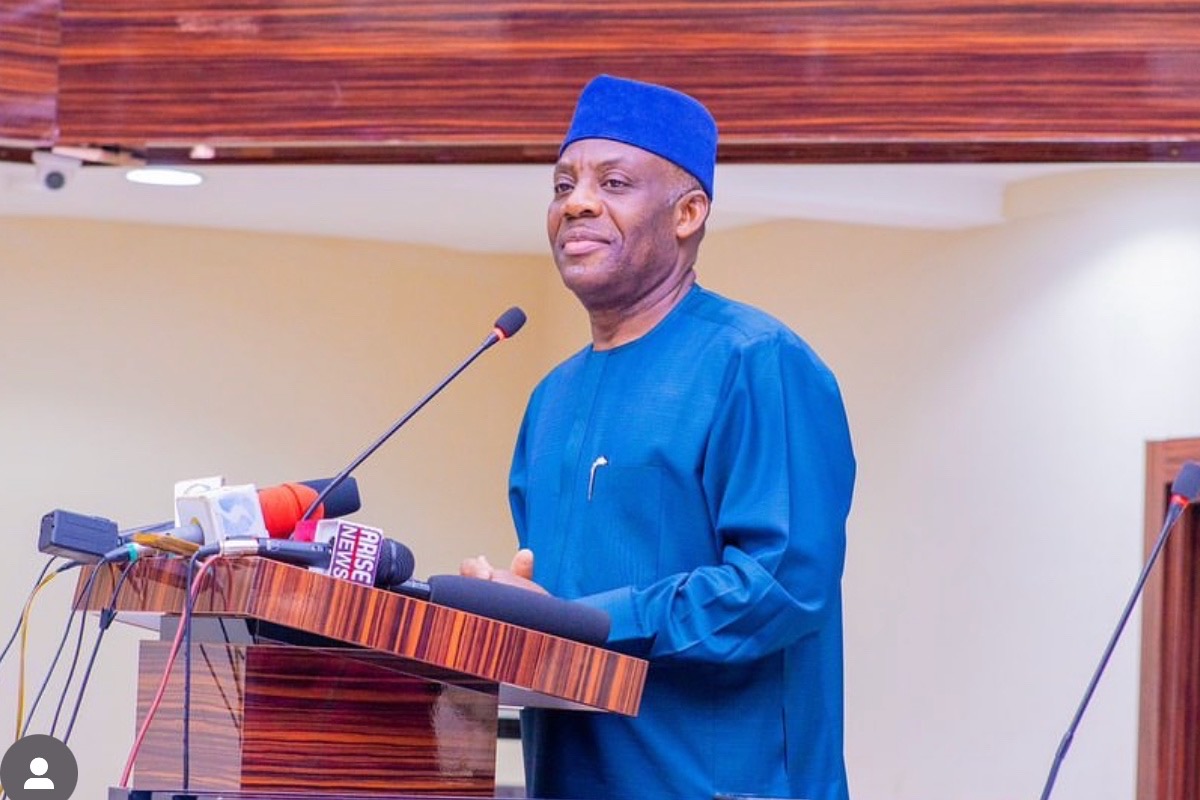
The announcement was made on Wednesday by the Minister of Education, Olatunji Alausa, via a statement on his official X (formerly Twitter) account. According to Alausa, this reform reflects the administration’s unwavering dedication to shaping a more inclusive, skilled, and knowledge-driven society. He noted that the scholarship enhancement is central to President Bola Ahmed Tinubu’s Renewed Hope Agenda, which envisions education as a driver of Nigeria’s transition to a $1 trillion economy.
Alausa said, “Through the Federal Ministry of Education, the Federal Government has significantly increased scholarship grants across all academic levels, easing the financial burden on students and families, while enhancing access to quality education for all. This initiative is a key pillar of President Bola Ahmed Tinubu’s Renewed Hope Agenda, which places education at the heart of Nigeria’s transformation into a $1 trillion economy.”
To address the rising cost of education and prevent deserving students from being sidelined, the Federal Government has raised the scholarship amounts across the board. PhD recipients will now receive ₦750,000 per year—an increase from the previous ₦500,000. Master’s students will receive ₦600,000 (up from ₦400,000), and undergraduates, HND, and NCE students will be entitled to ₦450,000 (up from ₦300,000).
The revised scholarship structure prioritizes merit, equity, and alignment with national development goals, particularly in disciplines related to Science, Technology, Engineering, Mathematics, and Medical Sciences (STEMM), as well as vocational studies.
Alausa explained that these enhanced financial supports apply across all major academic programmes, including the Nigerian Scholarship Award. Additionally, the government has restructured the Bilateral Education Agreement (BEA) scholarship scheme. While current beneficiaries of international scholarships will continue to receive their allowances, funds previously designated for new overseas awards have been reallocated to create two new domestic scholarship categories.
The first category is aimed at students pursuing STEM and vocational education in public polytechnics, with a ₦1 billion budget assigned to support this initiative. The second category targets students enrolled in Medicine, Dentistry, Nursing, Pharmacy, and Physiotherapy programmes at public universities—also backed by a ₦1 billion allocation.
“These new categories reflect our commitment to investing in high-impact sectors critical to national development,” Alausa emphasized.
The government also introduced a revised distribution model to ensure a fair and impactful allocation of funds. Under the new structure, 50% of scholarships will be awarded to undergraduate students, while Master’s and PhD candidates will each receive 25%. Within each academic tier, 70% of awards will go to students in STEMM disciplines, and 30% to those in the Social Sciences. Furthermore, in a move to promote inclusivity, 5% of all scholarship slots will be reserved for students with disabilities.
More than 15,000 students are expected to benefit from this revised scholarship initiative, which includes the Nigerian Scholarship Award, Education Bursary Award, and the restructured BEA scheme.
Oversight and implementation will be handled by the Federal Scholarship Board, working alongside an Inter-Ministerial Committee chaired by the Permanent Secretary of the Ministry of Education. The committee will include representatives from the National Assembly, the Federal Character Commission, the Ministry of Women Affairs, and other vital institutions to guarantee accountability and fairness in the process.
Alausa stated, “This committee includes representatives from the National Assembly, Federal Character Commission, Ministry of Women Affairs, and other key institutions to ensure transparency and accountability. With a total budget of ₦6 billion allocated for the 2025–2026 cycle, this reform is more than a policy—it is a bold national investment in our youth, our future, and our collective prosperity.”
Concluding the announcement, the Minister underscored the significance of this development, describing it as an investment not just in education but in Nigeria’s human capital and long-term success.
“We are not just funding education—we are building the human capital foundation for Nigeria’s long-term success. I remain fully committed to ensuring this renewed scholarship programme delivers on its promise, and I call on all stakeholders—students, parents, institutions, and the broader public—to work with us in realising the full potential of this transformative initiative,” he said.
What You Should Know
The Federal Government’s 50% increase in scholarship grants represents a historic move toward educational reform in Nigeria.
By redirecting funds from international programmes to strengthen domestic opportunities, the government is focusing on critical national sectors like STEMM and medical sciences.
With over 15,000 students projected to benefit and a ₦6 billion budget for the 2025–2026 cycle, this initiative is designed to foster inclusion, reward merit, and accelerate the country’s transformation into a knowledge-based economy.
The scholarship expansion also strategically targets underrepresented groups, including students with disabilities, underscoring a broader vision of equity, innovation, and national development.