The Nigeria Centre for Disease Control and Prevention (NCDC) has reported that 152 people have died from Lassa fever as of epidemiological week 28 in 2025, reflecting a case fatality rate of 18.7 percent, higher than the 17.3 percent recorded during the same period in 2024.
According to the latest situation report released by the agency, the number of new infections recorded in week 28 remained unchanged compared to the previous week. These new cases were reported from Ondo, Edo, and Benue states.
So far this year, Lassa fever has been confirmed in at least 21 states and 105 local government areas across Nigeria, signaling the disease’s sustained spread across multiple regions. While there has been a slight drop in the total number of suspected and confirmed cases compared to 2024, the high death toll continues to pose a significant public health concern.
The NCDC revealed that five states—Ondo, Bauchi, Edo, Taraba, and Ebonyi—account for a staggering 89 percent of all confirmed cases. Ondo alone recorded 32 percent of the infections, followed by Bauchi with 23 percent, Edo with 17 percent, Taraba with 14 percent, and Ebonyi with 3 percent. The remaining 11 percent of cases were distributed across 16 other states.
The most affected demographic is the 21 to 30-year age group, with the median age of confirmed patients pegged at 30. The male-to-female ratio is 1:0.8, indicating a slightly higher rate among males.
On a positive note, no new cases of Lassa fever infection among healthcare workers were recorded during the reporting week, a development the agency welcomed amid its ongoing efforts to curb the disease’s transmission in clinical settings.
What you should know
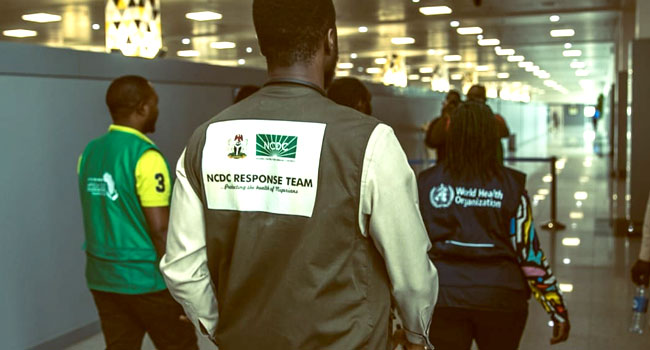
The Nigeria Centre for Disease Control and Prevention (NCDC), established in 2011, plays a vital role in managing infectious disease outbreaks.
Lassa fever, an acute viral hemorrhagic illness endemic to West Africa, has become a persistent challenge in Nigeria, with peak transmission typically occurring in the dry season. The NCDC continues to lead surveillance and response efforts nationwide.