In a critical effort to ease tensions in the ongoing global trade war, high-level negotiators from the United States and China concluded the first day of fresh talks in Stockholm on Monday.
The discussions, held at Sweden’s government headquarters, aim to prolong a fragile truce and possibly chart a path towards a more stable economic relationship between the world’s two largest economies.
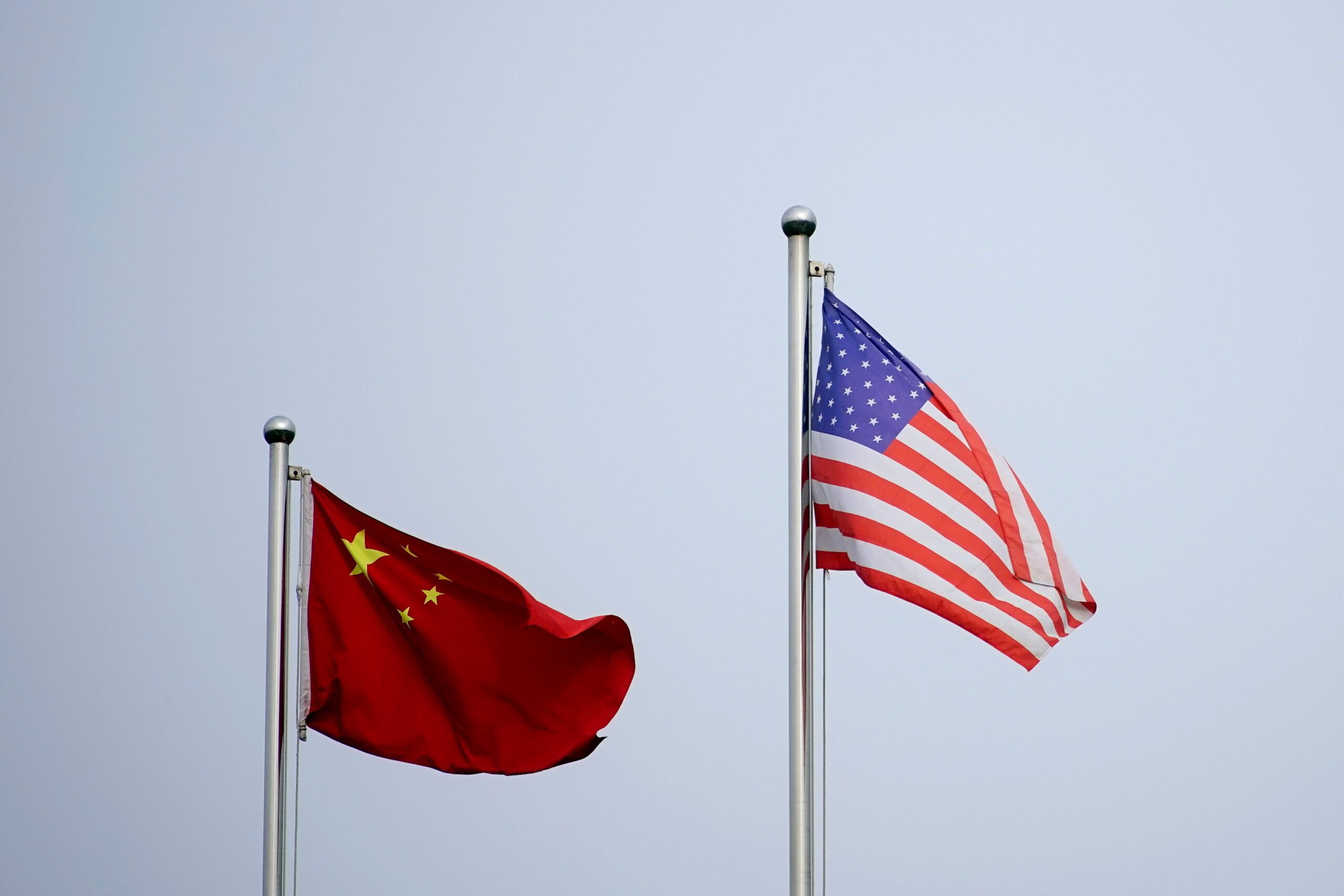
Led by US Treasury Secretary Scott Bessent and Chinese Vice Premier He Lifeng, the delegations met behind closed doors in the Rosenbad building, symbolically framed by the American and Chinese flags. The session ended just before 8:00 pm local time, with no immediate press statements or breakthroughs disclosed. However, both sides are scheduled to resume deliberations on Tuesday, signaling an intent to deepen engagement despite significant unresolved issues.
The Stockholm round marks a continuation of efforts to prevent the escalation of a trade war that earlier this year saw both nations impose punishing triple-digit tariffs on each other. Those duties were partially rolled back under a temporary 90-day agreement reached in May, which is set to expire on August 12. According to reports from the South China Morning Post, insiders expect the truce to be extended by another 90 days — a move that would avert a new round of economic disruptionUnder the current agreement, the US reduced tariffs on Chinese imports to 30%, while China scaled back its retaliatory levies to 10%. Still, the broader global trade landscape remains turbulent. President Donald Trump has issued an ultimatum to other trading partners, threatening to raise US tariffs if no deals are reached by Friday this week. Nations like Brazil, India, and South Korea are scrambling to finalize agreements to avoid steeper penalties, with Washington suggesting tariffs could climb as high as 50% for non-compliant countries.
President Trump’s aggressive trade stance has already pushed US import tariffs to historic highs, with research from Yale University’s Budget Lab indicating levels not seen since the 1930s. Recent deals have been announced with the EU, Britain, Vietnam, Japan, Indonesia, and the Philippines, though specifics remain largely undisclosed. A recent EU agreement, finalized just a day before the Stockholm talks, includes a 15% tariff on the bloc’s exports to the US.
Back in Stockholm, Beijing struck a conciliatory tone ahead of the meeting, with Foreign Ministry spokesman Guo Jiakun calling for “reciprocity” and emphasizing the importance of dialogue and cooperation. “We seek to reduce misunderstandings, strengthen cooperation and promote stable, healthy, and sustainable development of China-US relations,” Guo said in a pre-talks statement.
Observers say the atmosphere in Stockholm reflects a shift in tone from earlier rounds of negotiation. According to Emily Benson, head of strategy at Minerva Technology Futures, “There seems to have been a fairly significant shift in the US administration’s thinking since the London talks. The mood now is more focused on what’s realistically achievable and on reducing tensions.”
Benson noted that while a comprehensive deal remains elusive, signs of progress include the partial resumption of trade in rare earth minerals and semiconductors. She added that Secretary Bessent appears optimistic about extending the tariff pause — an indicator that a more substantial agreement may be in the works.
Sean Stein, President of the US-China Business Council, echoed that sentiment, emphasizing the importance of the negotiations’ tone over immediate outcomes. “The business community is optimistic that the two presidents will meet later this year, hopefully in Beijing,” he said.
As other nations watch the Stockholm talks unfold, many are using the US-China and US-EU negotiations as a blueprint for their own dealings with Washington. Whether the current optimism translates into durable policy shifts or simply extends the uncertainty remains to be seen — but for now, Stockholm stands as a key battleground in a conflict reshaping the global economy.
WHAT YOU SHOULD KNOW
China and the U.S. have resumed trade talks in Stockholm, aiming to stabilize their fragile truce amid ongoing global tariff tensions fueled by President Trump’s aggressive trade policies.