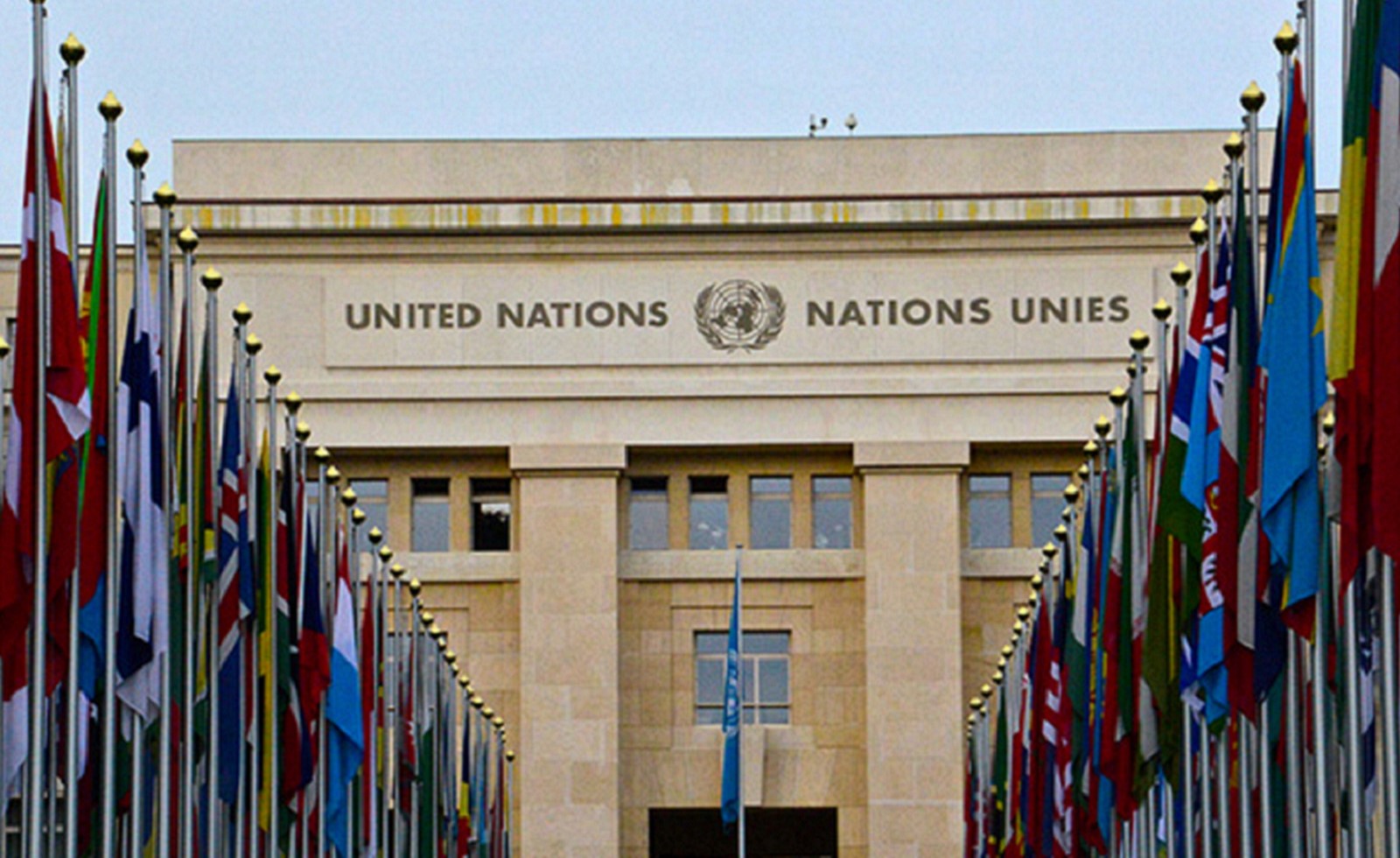
The United Nations World Food Programme (WFP) has announced plans to cease all emergency food and nutritional support to approximately 1.3 million individuals in Nigeria’s northeast by the end of July.
This comes as the organisation faces a dire funding crisis amidst a backdrop of intensifying conflict and unprecedented hunger levels across the country.
In a statement issued on Wednesday, the UN highlighted that the WFP’s resources have been entirely depleted, with the last shipments from its warehouses dispatched earlier in July. As a result, the ongoing distribution round will be the final one unless urgent funding is secured.
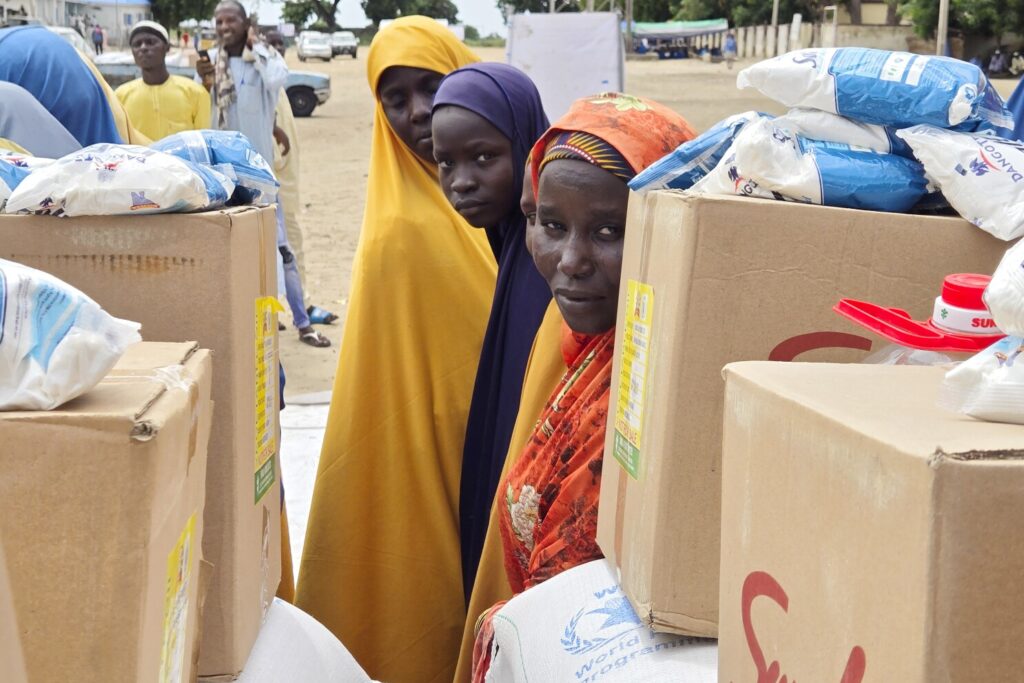
“WFP’s food and nutrition stocks have been completely exhausted. The organisation’s last supplies left warehouses in early July, and life-saving assistance will end after the current round of distributions is completed,” the statement said.
The UN warned that without an immediate influx of funds, many vulnerable individuals will be left facing extreme hunger, forced displacement, or the danger of being exploited by violent extremist groups operating in the region.
According to the WFP, the country is witnessing an alarming spike in food insecurity, with nearly 31 million people across Nigeria currently enduring acute hunger—marking an all-time high.
“At the same time, WFP’s operations in northeast Nigeria will collapse without immediate, sustained funding. This is no longer just a humanitarian crisis; it’s a growing threat to regional stability, as families pushed beyond their limits are left with nowhere to turn,” said David Stevenson, WFP’s Country Director for Nigeria.
The agency further warned that the suspension of aid would severely impact children, who are particularly vulnerable to the consequences of malnutrition. More than 150 nutrition centres in Borno and Yobe states—currently supported by WFP—will be forced to shut down. This would cut off essential treatment for over 300,000 children under the age of two, heightening the risk of wasting and long-term health issues.
“In conflict-affected northern areas, escalating violence from extremist groups is driving mass displacement. Some 2.3 million people across the Lake Chad Basin have been forced to flee their homes, straining already limited resources and pushing communities to the brink.
“When emergency assistance ends, many will migrate in search of food and shelter. Others will adopt negative coping mechanisms – including potentially joining insurgent groups—to survive,” Stevenson added.
He noted that continued food assistance has the potential to help prevent such outcomes by enabling families to meet basic needs, contribute to local economies, and pave the way for recovery and peacebuilding.
In the first six months of 2025, the WFP was able to provide food and nutritional relief to 1.3 million people in northern Nigeria. Plans had been in place to expand that reach by an additional 720,000 individuals during the latter half of the year. However, a widening funding gap now threatens to derail these humanitarian efforts.
“WFP has the capacity and expertise to deliver and scale up its humanitarian response, but the critical funding gap is paralysing operations. WFP urgently requires US\$130 million to prevent an imminent pipeline break and sustain food and nutrition operations through the end of 2025,” the UN body stressed.
The World Food Programme, recognised globally as the largest humanitarian agency, plays a key role in crisis response by providing food to communities affected by conflict, disasters, and climate-related disruptions. It also supports long-term stability and development through targeted assistance and recovery initiatives.
“WFP urgently requires US\$130 million to prevent the imminent suspension of assistance for 1.3 million people and sustain lifesaving operations through 2025,” the statement added.
What you should know
David Stevenson, WFP’s Country Director for Nigeria, has been vocal about the worsening food crisis in the northeast. With over 30 million Nigerians now experiencing acute hunger, he warns that the looming suspension of WFP assistance could destabilise communities and worsen security conditions in the region.