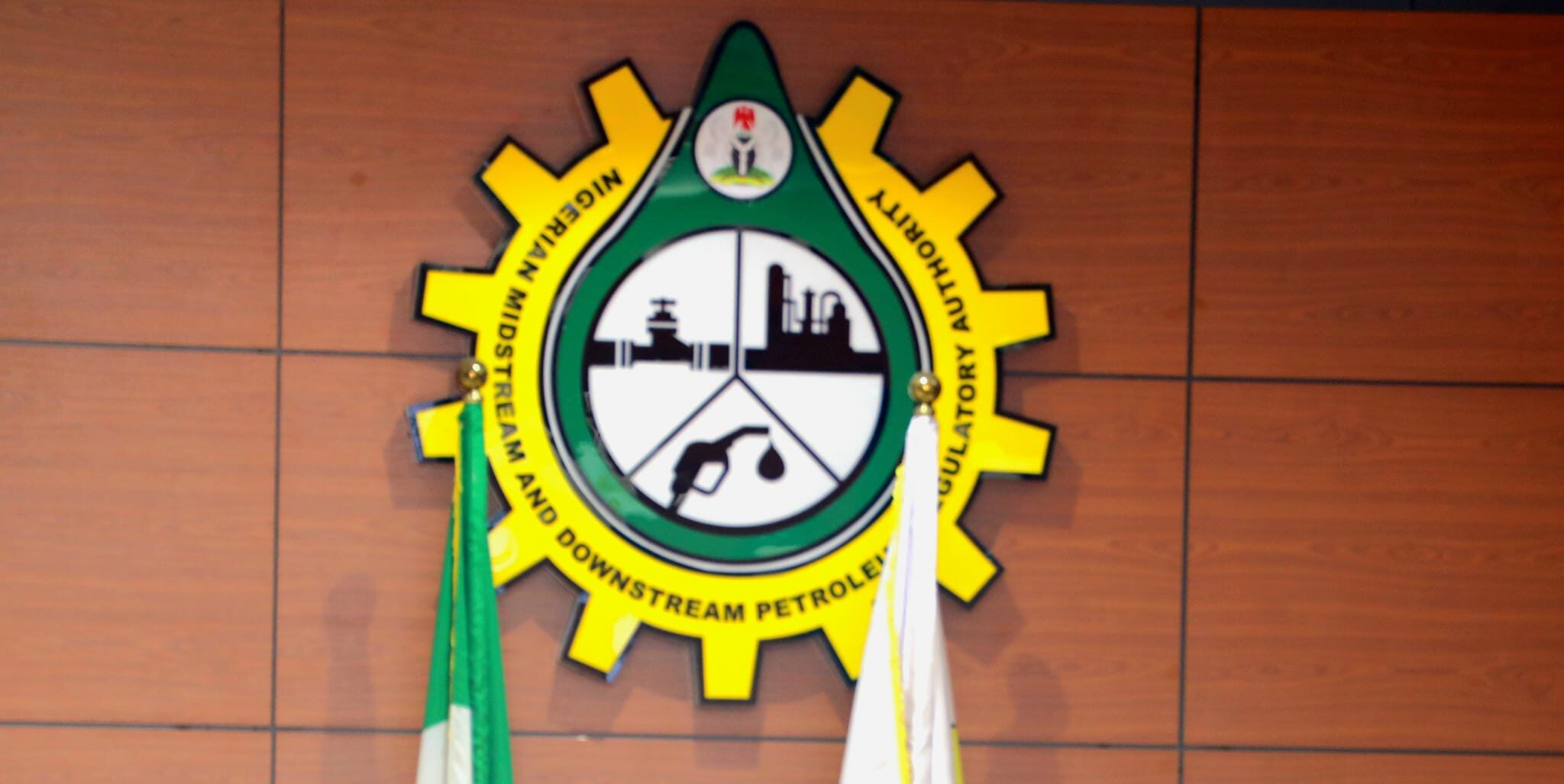
The Nigerian Midstream and Downstream Petroleum Regulatory Authority (NMDPRA) this week launched a comprehensive two-day performance review of gas distribution companies, a move that underscores the federal government’s intensifying efforts to address the country’s chronic power generation crisis.
The regulatory review, which commenced on Wednesday in Abuja, brings together all companies holding gas distribution licenses as the authority examines their compliance with the Petroleum Industry Act (PIA) provisions. The assessment focuses on three critical areas: regulatory compliance, operational efficiency, and Health, Safety, Environment, and Compliance (HSE&C) standards.
The timing of this review is particularly significant as Nigeria continues to grapple with severe electricity shortages. With a population exceeding 210 million, the country needs around 30,000 megawatts of electricity daily but generates only about 4,000 megawatts. The situation has deteriorated to the point where 60% of manufacturing companies and hundreds of other firms, including those from the Dangote Group, have abandoned the national grid due to chronic power outages.
The review comes as influential business leader Aliko Dangote has made increasingly vocal calls for transformative changes in Nigeria’s power sector. Speaking during a recent tour of his Lagos refinery, the Dangote Group president delivered a stark assessment of the country’s energy predicament, describing current power generation levels as unjustifiable.
“We as a company alone are producing, group-wide for our consumption, over 1,500 MW. So, Nigeria should not be three times what we are producing as a country. Nigeria should be at about 50,000 MW to 60,000 MW,” Dangote stated, highlighting the massive gap between Nigeria’s current output and its potential capacity.
His comments illuminate a troubling reality: while Nigeria currently generates approximately 5,000 megawatts for its over 200 million citizens, Dangote’s industrial conglomerate alone produces more than 1,500 megawatts for internal consumption. This comparison underscores the scale of underperformance in the national power sector.
Dangote’s critique extends beyond mere capacity concerns. He positioned his refinery project as evidence that large-scale industrial achievements are possible in Nigeria, arguing that “building the country’s power infrastructure was not the exclusive responsibility of the government” and that significant private sector participation was both necessary and achievable.
The business mogul’s assertion that constructing the refinery was more challenging than raising Nigeria’s power generation to 30,000 megawatts represents a direct challenge to conventional thinking about the country’s energy constraints. His comments suggest that technical and logistical barriers, while significant, may be less formidable than commonly perceived.
The NMDPRA’s current review process, mandated under the PIA, represents part of the regulatory framework designed to ensure optimal performance from licensed operators. As the authority examines the operational efficiency of gas distribution companies, it does so against a backdrop of mounting pressure to dramatically scale up gas production and utilization.
The government has made strides in improving the sector, but much more needs to be done to modernize the grid, increase power generation, and reduce the country’s dependence on generators. The persistent challenges are reflected in the frequency of grid failures, with the national grid experiencing multiple collapses throughout 2024.
The convergence of regulatory review, private sector advocacy, and government policy initiatives suggests a potential inflection point for Nigeria’s energy sector. However, the translation of these efforts into tangible improvements in power generation capacity remains to be seen, as the country continues to face the complex interplay of infrastructure, regulatory, and financing challenges that have long constrained its energy potential.
For Nigeria’s 200 million citizens, many of whom rely on expensive and polluting generators for basic electricity needs, the outcome of these coordinated efforts will determine whether the country can finally unlock its vast energy potential and achieve the reliable power supply that has remained elusive for decades.
WHAT YOU SHOULD KNOW
Nigeria’s power crisis has reached a critical juncture where private companies like Dangote Group are generating more electricity (1,500 MW) than seems proportionally reasonable for the entire nation’s 5,000 MW output, serving 200 million people. The government’s regulatory review of gas distribution companies signals recognition that Nigeria should be generating 50,000-60,000 MW instead of its current inadequate levels.