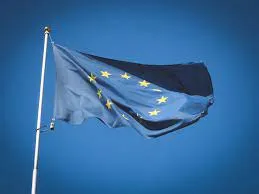
The European Union finds itself in a diplomatic race against time as member states convened emergency talks Monday to forge a unified response to President Donald Trump’s latest trade ultimatum—a sweeping 30% tariff on European imports set to take effect August 1.
Trump announced the tariff threat on Saturday, sending shockwaves through European capitals and prompting what EU officials are calling an unprecedented crisis in transatlantic trade relations. The move represents a dramatic escalation in trade tensions between the United States and its European allies, with the two trading partners combined making up roughly one-third of U.S. imports.
European Trade Commissioner Maros Sefcovic, speaking to reporters ahead of Monday’s ministerial meeting, struck a tone of cautious optimism while acknowledging the gravity of the situation. Despite what he described as promising negotiations that were “approaching a good outcome for both sides,” Trump’s ultimatum has created “a new dynamic” that threatens to derail months of diplomatic progress.
The stakes could not be higher. A 30% tariff rate would fundamentally alter the economics of transatlantic trade, making it “almost impossible to continue trading as before,” according to Sefcovic. The ripple effects would extend far beyond traditional trade metrics, disrupting established supply chains that have evolved over decades and creating what the Commissioner warned would be “enormous consequences” and “negative impacts on both sides of the Atlantic.”
European Commission President Ursula von der Leyen echoed these concerns, stating that “imposing 30 percent tariffs on EU exports would disrupt essential transatlantic supply chains, to the detriment of businesses, consumers and patients on both sides of the Atlantic”.
The EU’s response strategy is taking shape on multiple fronts. In an immediate tactical move, the European Commission has proposed suspending its first package of retaliatory tariffs—measures that would have targeted $24.5 billion worth of U.S. goods and were set to expire Monday midnight. However, this olive branch comes with a steel backing: officials are simultaneously preparing authorization for a second, more substantial package that would impact $72 billion worth of American imports.
The diplomatic chess game has revealed divisions within European ranks about how aggressively to respond. Danish Foreign Minister Lars Lokke Rasmussen advocated for restraint, arguing it was premature to impose countermeasures while hoping the EU would “remain united.” However, his military metaphor was telling: “If you want peace, you have to prepare for war. And I think that’s where we are.”
French Trade Minister Laurent Saint-Martin pushed for a more confrontational approach, suggesting the EU should expand its arsenal beyond the Commission’s current proposals. He advocated for targeting U.S. services and deploying the bloc’s “anti-coercion” instrument—a relatively new tool that allows retaliation against countries that pressure EU members to change their policies.
“This balance of power desired by Donald Trump is a balance of power in which you must demonstrate your ability to fight back,” Saint-Martin declared, encapsulating the hardening European position.
The timing of Trump’s announcement appears calculated to maximize pressure on European negotiators. Coming after what EU officials characterized as productive talks, the tariff threat represents a classic Trump negotiating tactic—creating a crisis to force concessions. Yet European officials maintain that despite the ultimatum, they understand U.S. negotiators remain willing to continue discussions.
The broader implications extend beyond bilateral trade. The dispute threatens to undermine multilateral trading systems and could trigger a cascade of protectionist measures globally. For businesses on both sides of the Atlantic, the uncertainty is already creating planning headaches, with companies forced to consider dramatic supply chain restructuring in a matter of weeks.
As European ministers concluded their emergency session, the message was clear: the EU is prepared to negotiate but will not be intimidated. The next 18 days before the August 1 deadline will test whether decades of transatlantic partnership can survive Trump’s most aggressive trade challenge yet.
The world watches as two of the globe’s largest economies edge toward what could become the most significant trade war in modern history, with consequences that would reverberate far beyond their borders.
WHAT YOU SHOULD KNOW
The EU faces an urgent diplomatic crisis as President Trump threatens to impose devastating 30% tariffs on European imports starting August 1, 2025. With just 18 days to reach a deal, European leaders are scrambling between last-ditch negotiations and preparing massive retaliatory measures worth $72 billion against U.S. goods.
The outcome will determine whether the world’s largest trading partners can avoid a trade war that would disrupt global supply chains and trigger widespread economic consequences on both sides of the Atlantic.