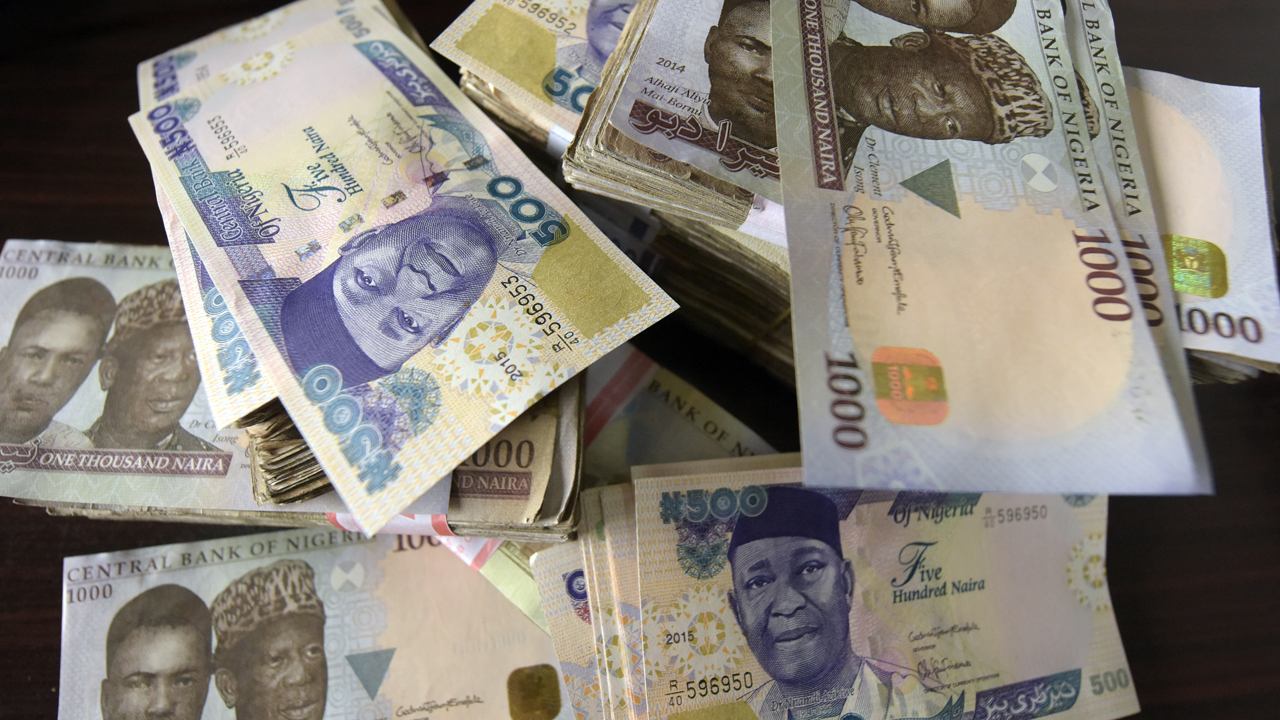
The Nigerian naira maintained its consolidation phase against the British pound in the parallel market at N2,200/£ on Thursday, defying expectations of movement despite significant volatility in the sterling amid mounting concerns over the United Kingdom’s economic stability.
The naira’s resilience comes at a time when the pound has entered a correction phase, triggered by a political and economic crisis that has shaken investor confidence in Britain’s fiscal management. The currency remained unmoved despite the sterling’s weakness, reflecting what analysts describe as a temporary decoupling from traditional correlation patterns.
Political Crisis Rocks UK Government
The pound’s troubles deepened following a dramatic parliamentary session on Wednesday, where Chancellor Rachel Reeves appeared visibly distressed after Prime Minister Keir Starmer declined to guarantee her position through the next general election. The incident occurred when opposition leader Kemi Badenoch pressed Starmer to reaffirm his earlier commitment to retaining Reeves as chancellor, only to receive evasive responses that have fueled speculation about her political future.
The crisis stems from the government’s controversial welfare reform proposals, which passed by a narrow margin on Tuesday despite a significant rebellion by 49 Labour lawmakers. The revolt forced the government to make costly concessions that critics argue have gutted the legislation’s effectiveness, wiping out much of the £5 billion ($6.8 billion) in savings the Chancellor had targeted.
These developments triggered a sharp market reaction, with the pound falling nearly 1 percent on Wednesday and British government bonds experiencing significant declines as investors questioned the government’s fiscal credibility.
Nigeria-UK Trade Relations Strengthen Despite Volatility
Despite the currency market turbulence, bilateral trade relations between Nigeria and the UK continue to flourish, with the relationship already valued at £7.2 billion. The UK has demonstrated its commitment to strengthening ties through its Developing Countries Trading Scheme (DCTS), which maintains duty-free access for 99 percent of Nigerian exports.
Dr. Montgomery, the UK High Commissioner to Nigeria, praised the Nigerian government’s economic reforms as “essential for unlocking sustainable growth” and noted improvements in the country’s economic fundamentals. He highlighted increased foreign exchange reserves, improved government revenue collection through administrative reforms rather than higher taxes, and overall economic stabilization as positive indicators for investment.
The commissioner’s comments align with recent assessments, including a May 2025 analysis that concluded the naira has achieved greater stability, a development that has been welcomed by international financial institutions, including the World Bank.
Global Currency Markets Navigate Uncertainty
The broader currency landscape reflected mixed signals on Thursday, with the dollar fluctuating following news of a trade agreement between the United States and Vietnam ahead of a July 9 tariff deadline. The deal, announced by President Donald Trump, has boosted optimism about potential future trade arrangements and influenced market sentiment.
The euro remained steady at $1.1806, hovering near the September 2021 peak reached earlier this week, while the pound traded at $1.3647, showing modest gains during Asian trading hours despite the ongoing domestic political uncertainty.
The dollar index, measuring the US currency against six major global currencies, held at 96.7, maintaining its position near 3.5-year lows observed throughout the week. Market analysts project a 0.5 percent weekly decline for the index as investors await critical US employment data scheduled for release on Thursday.
Economic Data in Focus
The upcoming US Labor Department employment report for June carries heightened significance following data showing private payrolls declined for the first time in over two years. This development has shifted market sentiment, with investors now viewing previously welcomed “bad news”—softer economic data that historically prompted Federal Reserve rate cuts—as potentially problematic if recession concerns intensify.
The naira’s stability against the pound, despite the UK’s domestic challenges, underscores the complex dynamics shaping emerging market currencies and suggests that Nigeria’s economic reform trajectory may be providing some insulation against external volatility. However, with the UK hosting Nigeria’s largest diaspora population outside Africa, sustained sterling weakness could have broader implications for remittance flows and bilateral economic relations.
As markets continue to digest the implications of political instability in the UK and await key economic indicators from the United States, the naira’s performance will likely depend on both domestic reform momentum and the evolution of global risk sentiment in the coming weeks.
WHAT YOU SHOULD KNOW
The Nigerian naira has remained stable at N2,200/£ against the British pound despite significant political and economic turmoil in the UK, where Chancellor Rachel Reeves faces mounting pressure after costly welfare reform concessions wiped out £5 billion in planned savings.
Nigeria’s economic reforms are paying dividends, with increased foreign exchange reserves, improved revenue collection, and World Bank recognition of naira stability, insulating the currency from external volatility. Meanwhile, the UK-Nigeria trade relationship continues to strengthen at £7.2 billion, with 99% of Nigerian exports maintaining duty-free access to British markets.
The naira’s resilience demonstrates that sound domestic economic policies can protect against global currency market turbulence, even when trading partners face significant political and fiscal challenges.