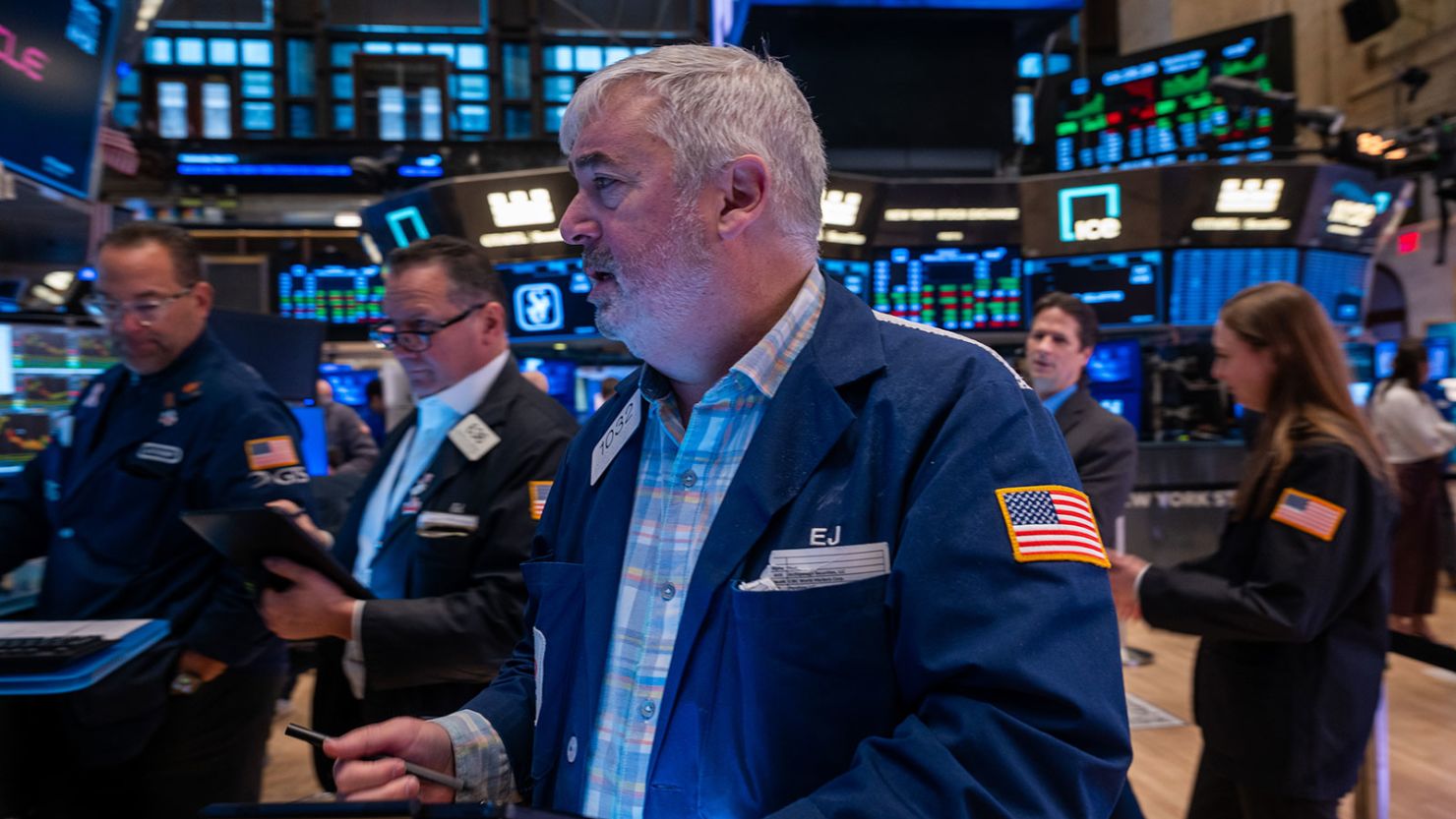
Wall Street hit the pause button on Wednesday, ending a two-day winning streak as investors weighed geopolitical tensions, fresh remarks from Federal Reserve Chair Jerome Powell, and a flurry of mixed corporate earnings.
The market treaded water with a sense of cautious optimism, as traders awaited confirmation of a sustained rally in the face of economic headwinds and global uncertainty.
The S&P 500 closed virtually unchanged at 6,092.16, clinging just below its record closing high from February 19. The Nasdaq Composite managed to edge up 0.31% to 19,973.55, lifted by strength in tech stocks, while the Dow Jones Industrial Average slipped 106.59 points, or 0.25%, to finish at 42,982.43.
Despite the market’s muted action, the day marked a continuation of investor resilience. “It almost feels like back to your regularly scheduled bull market,” said Ryan Detrick, chief market strategist at Carson Group. “We’ve dealt with the tariffs, we’ve dealt with the Middle East drama, but stocks continue to defy the odds by moving higher with the realization that the U.S. economy remains quite resilient.”
Ceasefire Holds, but Uncertainty Looms
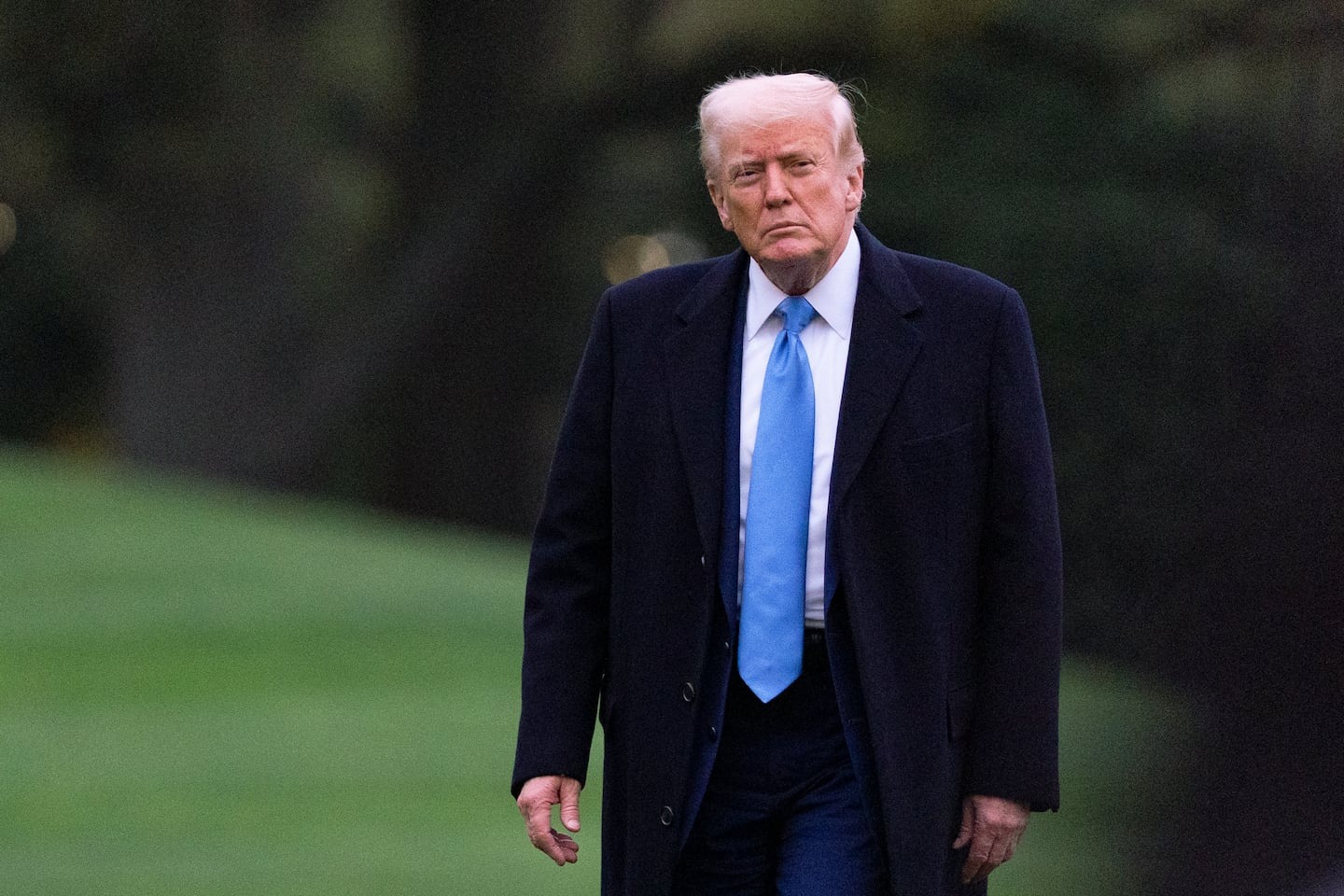
Geopolitical tensions remained in focus as the fragile Israel-Iran ceasefire held steady, bringing a momentary sense of calm to a region on edge. President Donald Trump hailed the ceasefire as a strategic win, though questions linger about the true extent of damage inflicted on Iran’s uranium facilities by recent U.S. strikes.
Global markets, particularly energy and defense sectors, have closely tracked the developments. The relative calm in the Middle East appears to have allowed equities to refocus on domestic economic indicators and Federal Reserve policy.
Powell Holds Steady on Rates
Federal Reserve Chair Jerome Powell, in his second day of testimony before Congress, signaled a cautious stance on interest rates, reaffirming the central bank’s wait-and-see approach. Powell told the Senate Banking Committee that the Fed will not rush into cutting rates until the inflationary implications of Trump’s sweeping tariffs become clearer.
Market bets on monetary easing have adjusted accordingly. The CME FedWatch tool shows just a 25% probability of a rate cut in July, with a more substantial 67% chance of the first cut in September.
Tech Takes the Lead, Nvidia Crowned Market King
Technology stocks continued to power the market, with the tech-heavy Nasdaq notching another gain. Nvidia (NVDA.O) grabbed headlines, soaring to a record high and clinching the title of the world’s most valuable company with a market capitalization of $3.75 trillion.
“The lifeblood of a bull market is rotation,” said Detrick. “And to see technology and communication services taking back the baton is really a good sign that this surprise summer rally likely has legs.”
Alongside technology, communication services and healthcare sectors also closed higher. However, defensive sectors like real estate, consumer staples, and utilities lagged, reflecting a shift away from safe-haven plays.
Corporate Earnings Paint Mixed Picture
While tech stars like Nvidia and Micron Technology (MU.O) — which surged over 5% in after-hours trading on a strong revenue forecast — gave bulls reason to cheer, other sectors told a less rosy story.
Tesla (TSLA.O) shares slumped 3.8% amid a fifth straight month of declining sales in Europe. FedEx (FDX.N) also disappointed, tumbling 3.3% after citing tariffs and global softness in its subdued earnings outlook. Rival UPS (UPS.N) dropped 1.2%, while General Mills (GIS.N) sank 5.1% on weak profit guidance.
In contrast, BlackBerry (BB.N) surged 12.5% after raising its revenue forecast, pointing to robust demand in its cybersecurity segment.
Housing Data Adds to Uncertainty
Economic data released Wednesday added further complexity. New home sales plunged 13.7%, and mortgage loan applications dropped as higher rates took a toll on housing demand — a concerning signal for the broader economy.
Investors now look to Thursday’s final first-quarter GDP report and Friday’s Personal Consumption Expenditures (PCE) index for additional clues about the state of inflation and consumer spending.
Market Breadth and Volume
Market breadth was notably negative. On the NYSE, declining stocks outnumbered gainers by nearly 2-to-1, while on the Nasdaq, losers outpaced winners by a ratio of 1.83-to-1. Despite this, the S&P 500 recorded 24 new 52-week highs, and the Nasdaq saw 86, a sign that optimism remains in pockets of the market.
Total trading volume came in at 16.02 billion shares, trailing the recent average of 18.08 billion, reflecting a market in waiting mode — watching economic data, central bank signals, and geopolitical developments before making its next big move.
As Wall Street pauses for breath, investors remain cautiously optimistic that the summer rally still has legs — though the road ahead is paved with uncertainty, from Capitol Hill to the Middle East.
WHAT YOU SHOULD KNOW
U.S. stocks paused after a two-day rally as investors weighed Middle East tensions, cautious Fed signals on interest rates, and mixed corporate earnings. Tech led gains with Nvidia hitting a record high, while weak housing data and tariff concerns kept markets on edge.